
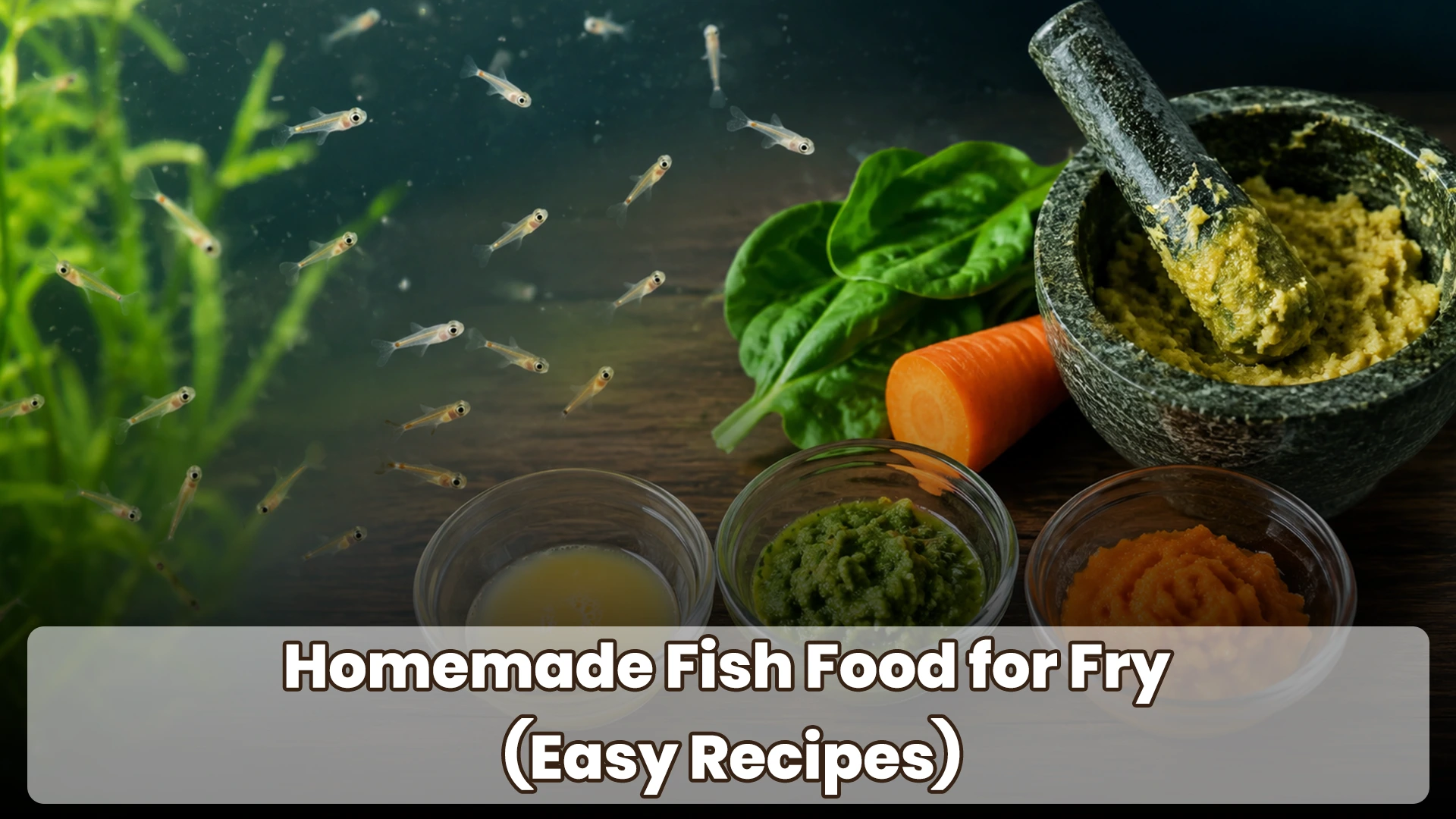
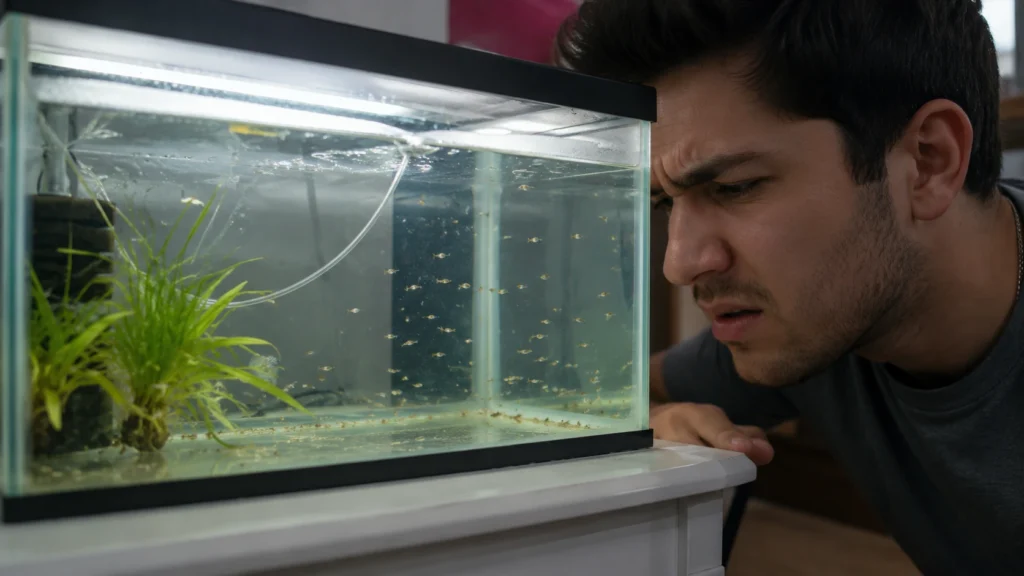
I still remember the exact Saturday morning it happened — sunlight coming through my fish room window, coffee going cold on the desk, and me squinting into a ten-gallon tank trying to figure out why my guppy fry weren’t growing. Not dying, exactly. Just… stuck. Tiny. Barely bigger than the day they were born, two weeks in.
I know how frustrating that is. You did everything the care sheets told you — cycled the tank, kept the water warm, dropped in that expensive tub of fry powder from the pet store. And still, nothing. If you’re here because your fry seem to be starving in slow motion while you watch helplessly, I get it. I’ve been exactly there.
Turns out, my fry weren’t sick. They were hungry — because the food I was giving them was too big for their mouths and, honestly, nutritionally kind of weak. That one mistake cost me almost half a spawn before I figured it out.
What I want to share with you today isn’t theory. It’s the actual homemade fish food for fry recipes I’ve used for years now, the ones that turned my survival rates around and cost me next to nothing. No fancy equipment, no lab-grade ingredients — just stuff sitting in your kitchen right now, backed by both my own results and general aquaculture nutrition research.
Why Homemade Fish Fry Food Actually Works Better
Here’s the thing nobody tells you when you’re new to this hobby: most store-bought fry food is designed to not spoil on a shelf for two years. That’s its main job. Growing your fry fast and strong? That’s secondary.
The Problem With Store-Bought Fry Food
Commercial fry powders are often heavy in fillers — ground wheat, soy, preservatives — because that’s what keeps manufacturing costs down and shelf life long. I’m not saying it’s useless. It’s just, in my experience, not optimized for what a fry actually needs in its first few weeks of life, which is raw, dense protein.
What Fry Actually Need Nutritionally
In my experience, fry need a diet that’s roughly 45–55% protein in those first four weeks, compared to the 30–35% protein content in a lot of standard flake food. General aquaculture nutrition research on early-stage larval and fry feeding supports this — younger fish typically require noticeably higher protein-to-energy ratios than adult fish of the same species, since their bodies are converting most of that intake directly into tissue growth rather than maintenance. A guppy fry can grow from about 6mm at birth to nearly 15mm in three weeks under good feeding conditions. That kind of growth needs fuel, not filler.
Cost Comparison: Homemade vs. Commercial
Let me put real numbers on this. A small tub of decent fry powder runs somewhere around $8 to $12 and lasts maybe a month if you’re breeding regularly. One egg yolk, which costs pennies, can make enough paste to feed a 20-gallon fry tank for nearly a week. I did this math for myself years ago and honestly, it’s not close.
A betta breeder I know — we met in an online forum group years back — switched from flake powder to a homemade egg-and-spirulina paste and messaged me ten days later saying her fry had visibly doubled in size compared to her previous spawn. That’s not a fluke. That’s protein density doing its job.
Once you understand what’s happening inside that tiny fry belly, the “why” behind homemade food makes total sense — now let’s get into the “how.”
Quick answer: Homemade fry food usually outperforms commercial powders because it delivers higher, fresher protein content with no fillers, matching what fry biologically need for rapid early growth.
Essential Ingredients You Probably Already Have
I did something once that I now recommend to every beginner who asks me about this: I opened my fridge and just… looked. Really looked. And I realized I already had almost everything I needed to feed a tank full of fry.
Protein Sources
- Boiled egg yolk — the single most useful fry food ingredient, in my honest opinion
- Boiled white fish (tilapia, cod — nothing oily or seasoned)
- Cooked shrimp, finely crushed
Plant-Based Boosters
- Spirulina powder — I buy mine in bulk, and a little goes a long way for color and immune support
- Spinach, blanched and pureed
- Peas, boiled and skinned (shelled, basically — the inner part only)
Binding Agents
- Unflavored gelatin — this is what turns a mush into something you can actually cut and feed
- Agar-agar, a plant-based alternative if you’re avoiding animal gelatin
Now that your ingredient list is ready, let’s turn them into actual fry-approved meals.
Nutrition Comparison: Homemade Fry Food Options
Before I get into the recipes, I think it helps to see these ingredients side by side. This is roughly how I mentally rank them when I’m deciding what to feed a particular batch of fry.
| Food | Approximate Protein % | Main Nutritional Benefit | Recommended Fry Age |
|---|---|---|---|
| Egg Yolk Paste | 30–35% | Easily digestible fat and protein for tiny mouths | 0–7 days |
| Boiled Fish Mash | 60–70% | High-density protein for rapid tissue growth | 1–3 weeks |
| Spirulina Mix | 55–65% | Color enhancement, immune support, micronutrients | 2+ weeks |
| Infusoria | Low, but nutrient-diverse | Microscopic size for the smallest fry mouths | 0–10 days |
| Boiled Shrimp Mash | 65–75% | Strong protein source, good growth booster | 2+ weeks |
Quick answer: Boiled fish and shrimp mash offer the highest protein density among homemade options, while egg yolk and infusoria are best suited for the earliest, smallest fry stages when texture matters more than protein percentage.
5 Easy Homemade Fish Fry Food Recipes
This is the part people usually ask me about most, so I’m going to walk you through it exactly the way I do it in my own kitchen.
Egg Yolk Paste (For Newly Hatched Fry)
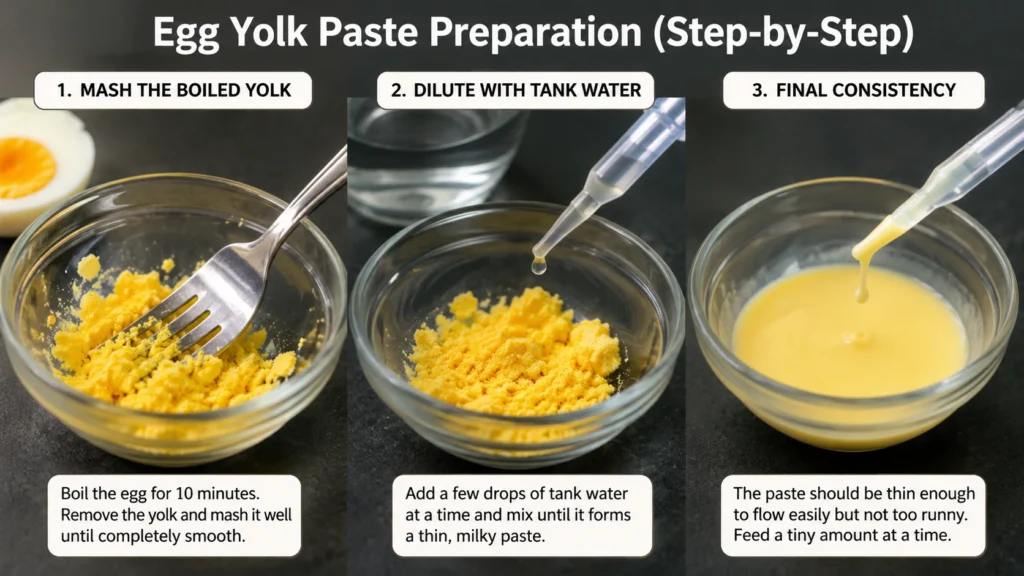
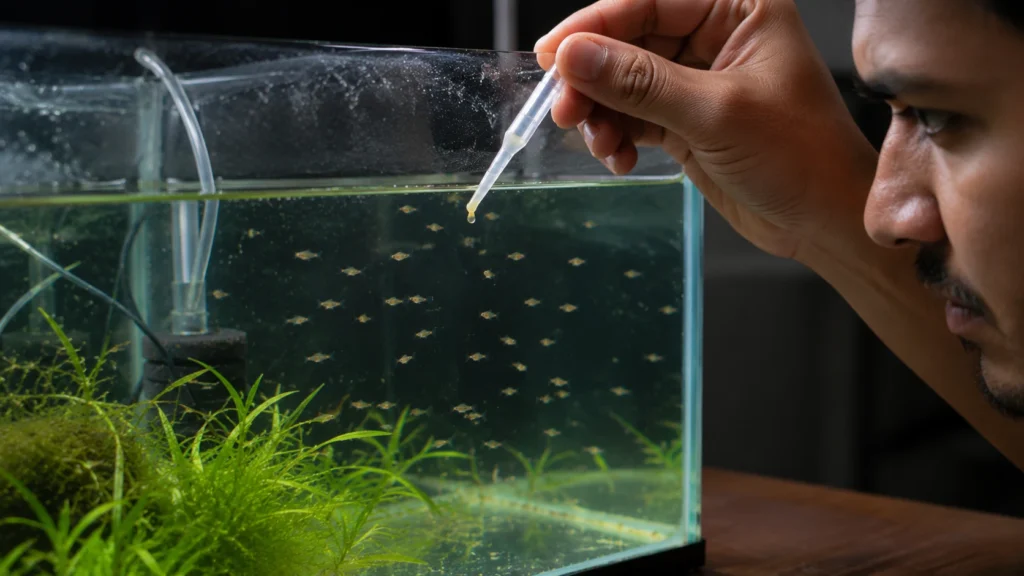
Boil an egg for about 10 minutes, remove the yolk, and mash it with a few drops of tank water until it forms a thin, milky paste. Feed a pea-sized amount per 10 gallons, twice daily. Fair warning — this one fouls water fast if overfed, so go light. I learned that one the messy way.
Boiled Fish & Pea Mash (For 2-Week-Old Fry)
Boil a small piece of white fish and a few peas separately, then blend both with a tiny bit of water into a smooth paste. Freeze it in small portions. This is my go-to once fry hit that two-week mark and their mouths are big enough for slightly coarser textures.
Spirulina Powder Mix
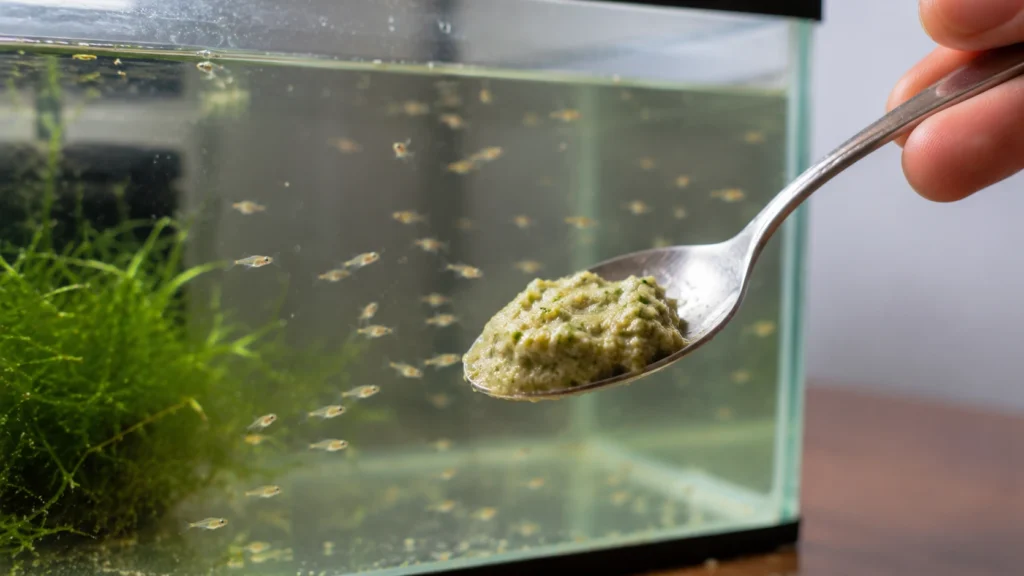
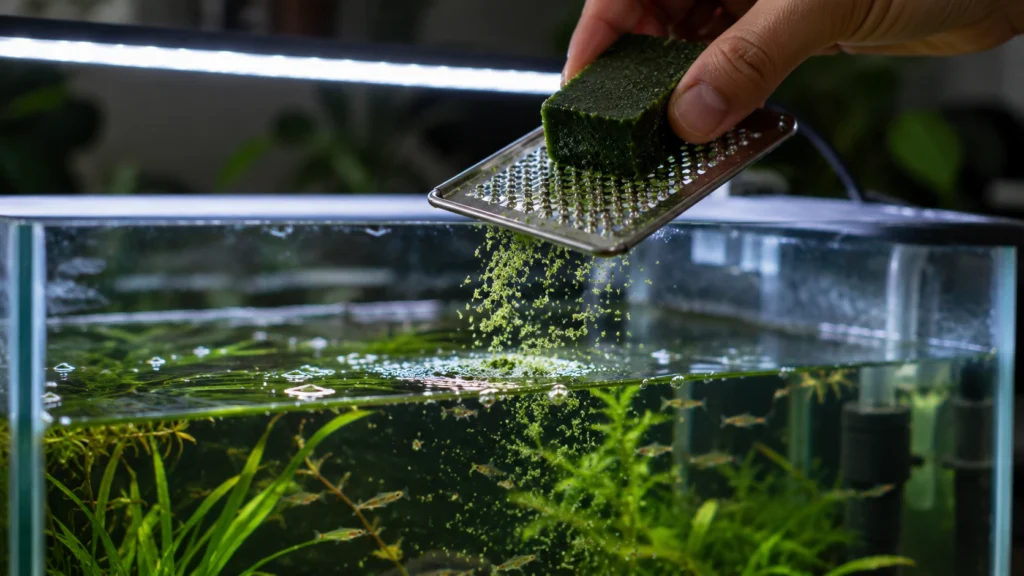
Mix spirulina powder with crushed gelatin and warm water, let it set in the fridge for about 20 minutes, then grate it like cheese over the water surface. This one’s less about calories and more about color development and overall vitality — I noticed a real difference in fin coloration within about three weeks of consistent use.
Infusoria (For Micro-Fry Like Bettas)
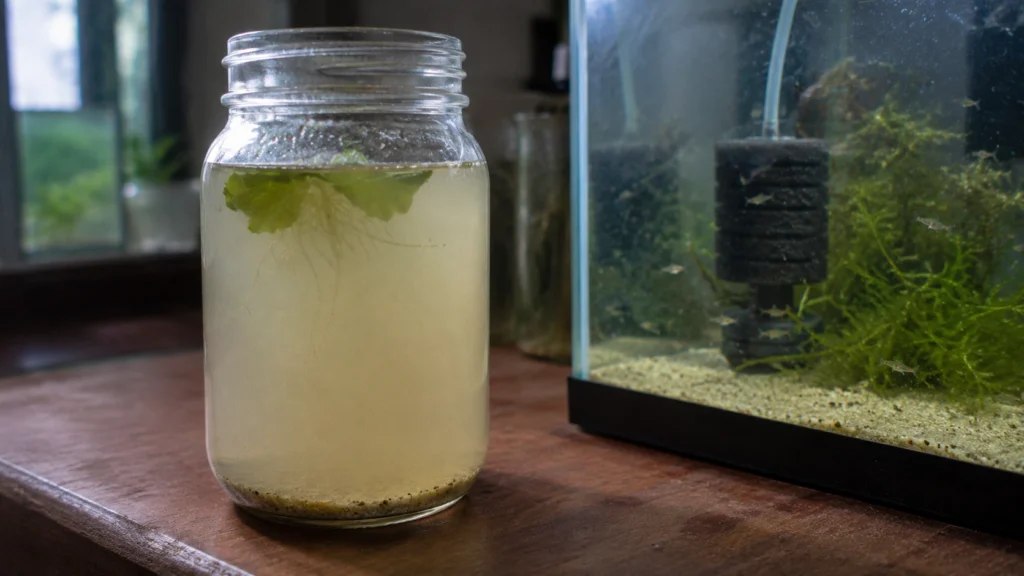
Honestly, this one takes patience. Soak a lettuce leaf or hay in a jar of tank water for 3–5 days until it clouds up with microorganisms. That cloudiness is your food. Betta fry, with their impossibly tiny mouths, genuinely need something this small in the first 7–10 days of life.
Baby Brine Shrimp Substitute (Budget Version)
If hatching brine shrimp eggs feels like too much (and some weeks, it genuinely is), a mash of boiled shrimp and egg yolk gets you close enough nutritionally, at a fraction of the cost and effort.
Recipes are only half the job — feeding them the right way is where most beginners slip up.
How to Feed Fry the Right Way
I made this mistake myself, and it’s such a common one: overfeeding out of love, basically. You want your fry to grow, so you feed more. It backfires every single time.
Feeding Frequency by Age
| Fry Age | Feedings Per Day | Food Type |
|---|---|---|
| 0–7 days | 4–5 small feedings | Infusoria, egg yolk paste |
| 1–2 weeks | 3–4 feedings | Fish/pea mash, baby brine shrimp |
| 2–4 weeks | 2–3 feedings | Coarser mash, spirulina mix |
| 4+ weeks | 2 feedings | Crushed adult food, mash |
Portion Control
A good rule I’ve stuck with for years: feed only what disappears within 2–3 minutes. Anything left over is just going to rot and spike ammonia — and fry are brutally sensitive to that. Water-quality research consistently shows that even low, sub-lethal ammonia levels can slow growth rates and stress young fish well before symptoms become visible.
Signs You’re Overfeeding or Underfeeding
I once had a cloudy tank overnight that scared the life out of me — turned out it was just leftover fish mash decomposing on the substrate, not disease like I first panicked and assumed. Cloudy water within hours of feeding? You’re overfeeding. Fry looking visibly thin with sunken bellies? Underfeeding.
Quick answer: Fry are eating enough when their bellies look slightly rounded after feeding and they remain active; overfeeding shows up as cloudy water or leftover debris within hours.
Feeding schedule sorted — but food is useless if it doesn’t stay fresh.
Storing and Prepping Food in Advance
Freezing in Ice Cube Trays
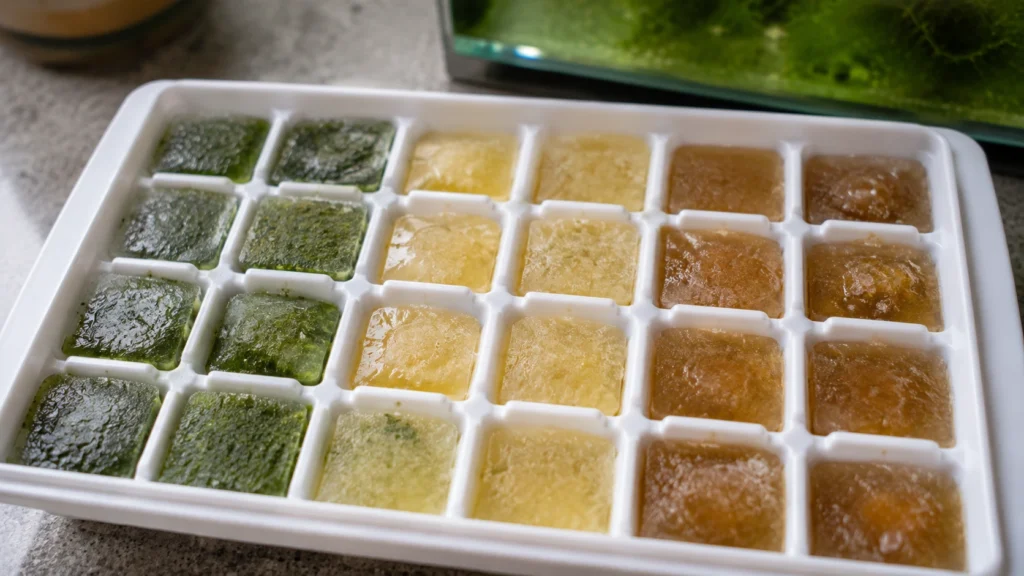
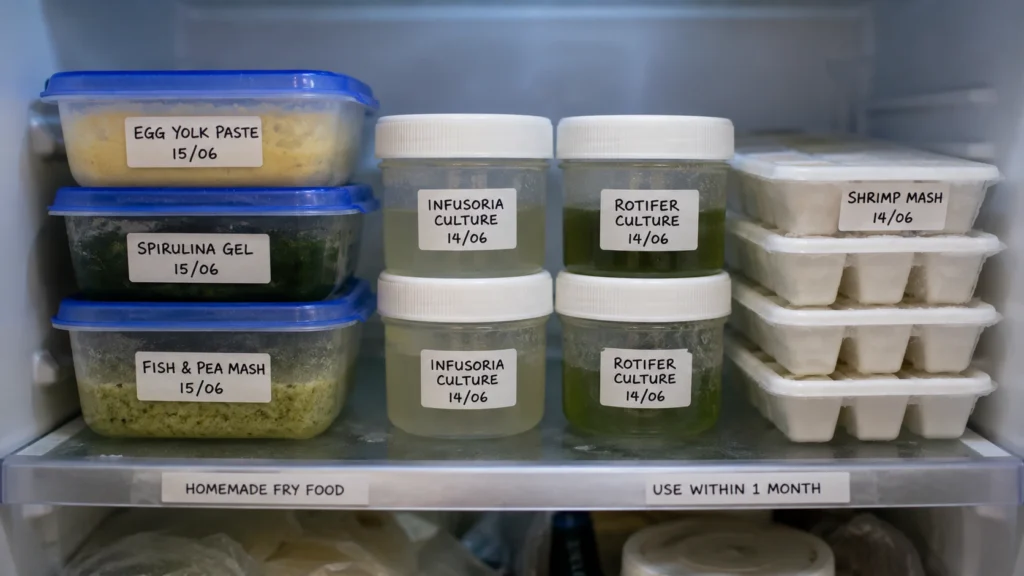
I batch-make most of my mash recipes on Sundays and freeze them flat in ice cube trays, then pop out a cube a day into a small dish to thaw. It’s basically meal-prepping, except for fish. Yes, egg yolk paste freezes well too — just portion it small so you’re not thawing more than you need in one sitting.
Shelf Life of Homemade Mixes
Fresh mash stays good in the fridge for about 2–3 days. Frozen portions, in my experience, hold their nutritional quality well for up to 4 weeks before I’d toss them.
Batch-Prepping for Busy Weeks
Honestly, this single habit is what made fry-keeping sustainable for me long term. Fifteen minutes on a Sunday saves an entire week of daily prep stress.
With food prepped and ready, let’s talk about mistakes that quietly kill fry growth.
Common Mistakes to Avoid When Feeding Fry
Using Adult Fish Food
Adult flakes are simply too big and too low in protein density for fry mouths and fry metabolism. I made this mistake in my very first spawn — fed flakes crushed “small enough,” except they weren’t, and half that batch didn’t make it past week two.
Ignoring Water Quality After Feeding
Every feeding is basically an ammonia risk. A 20–30% water change every 2–3 days during heavy fry feeding periods isn’t optional — it’s just part of the job now.
Feeding Too Much Variety Too Soon
New fry guts are delicate. Introducing five new foods in one week can cause digestive stress. I space new ingredients out by at least 3–4 days now.
Foods to Never Give Fry
A few things I’d steer clear of entirely: raw meat, seasoned or salted fish, bread, dairy products, and anything oily. These can foul water quickly or simply aren’t digestible for such small fish.
Get these basics right, and you’ll notice something amazing within days — real growth.
Species-Specific Fry Feeding Guide
Something I get asked constantly is whether these recipes work the same across species. Mostly yes, but there are small adjustments worth knowing.
| Species | Best Homemade Food | Feeding Frequency | Notes |
|---|---|---|---|
| Guppy | Egg yolk paste, spirulina mix | 3–4x daily | Fast growers, tolerate mash early |
| Betta | Infusoria, finely crushed mash | 3–4x daily | Very small mouths, need micro-sized food |
| Molly | Spirulina mix, pea mash | 3x daily | Benefits from plant-based additions |
| Platy | Egg yolk paste, fish mash | 3x daily | Hardy, adapts well to homemade food |
| Angelfish | Fish & shrimp mash | 4–5x daily | Larger fry, needs higher protein sooner |
| Zebra Danio | Infusoria, egg yolk paste | 4x daily | Tiny fry, needs food only in first week |
Quick answer: Most freshwater fry thrive on the same core homemade recipes, but mouth size and growth speed determine texture and feeding frequency — smaller-mouthed species like bettas and zebra danios need infusoria or very fine paste longer than guppies or platies.
Real Results — What to Expect From Homemade Fry Food
Growth Timeline
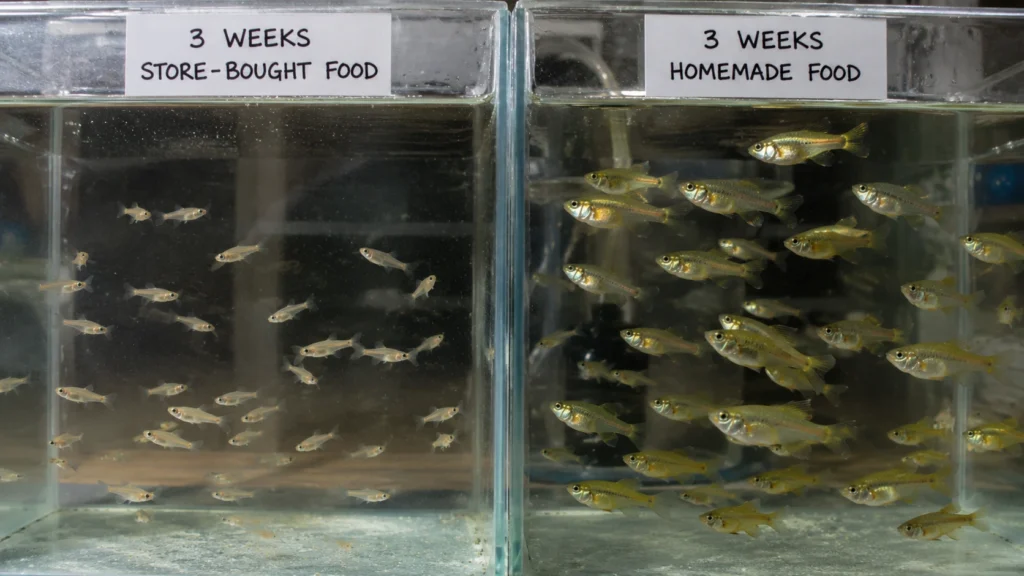
In my own tanks, switching to homemade feeding routines took guppy fry from roughly 6mm at birth to a visible 12–15mm within three weeks — noticeably faster than the four-plus weeks it used to take on powder alone. Survival rates in my breeding logs jumped from around 50% to closer to 75–80% over that same period. Aquaculture nutrition studies on early growth stages generally back this up — higher-protein, fresher diets tend to correlate with faster weight gain and improved survival in young fish.
Visual Signs of Healthy Fry
Rounder bellies, active swimming near the top and middle of the tank (not just hiding at the bottom), and visible color development by week three or four — those are the signs I look for every single time.
Frequently Asked Questions
Can I feed fry only homemade food? Yes, and honestly I do this myself, though I still rotate in occasional commercial food for convenience during busy weeks.
How often should I feed fish fry? For the first two weeks, 3–4 small feedings daily works well; after that, 2–3 feedings is usually enough as their stomachs develop.
What’s the best homemade food for newly hatched fry? Egg yolk paste or infusoria — both are small and soft enough for mouths that are barely 1–2mm wide at birth.
How long can homemade fry food be stored? Fresh mixes last 2–3 days refrigerated, and frozen portions stay good for about 4 weeks in my experience.
Is spirulina necessary for fry growth? Not strictly necessary, but I’ve seen a real difference in coloration and vitality with consistent spirulina use over 3–4 weeks.
Can homemade fry food replace live food entirely? For most species, yes, though live foods like baby brine shrimp still offer a natural hunting response and some nutrients that are harder to replicate at home. I use homemade food as the base and add live food when I can.
Which homemade food grows fry fastest, in your experience? Boiled fish and shrimp mash, hands down, once fry are past the first week or two and can handle a coarser texture — the protein density really does show up in growth speed.
How do I know my fry are eating enough? Check for slightly rounded bellies after feeding and steady, active swimming. Thin, hollow-looking fry that hide near the bottom are usually a sign of underfeeding.
Can I freeze egg yolk paste? Yes, freeze it in small portions like ice cubes so you’re only thawing a day’s worth at a time — it keeps well for about 3–4 weeks.
What foods should never be given to fry? Avoid raw or seasoned meat, bread, dairy, and anything oily or salted. These foul water quickly and offer little nutritional value for fry.
Is homemade food suitable for all fish species? The core recipes work across most common freshwater species, though mouth size and growth rate mean some adjustment in texture and frequency, as shown in the species feeding guide above.
Final Thoughts
Looking back at that first frustrating spawn — the one where I lost fry to my own well-meaning mistakes — I honestly wish someone had just handed me this exact list back then. It would’ve saved me weeks of guessing and a fair amount of guilt over fry I couldn’t save.
What I’ve found, after years of doing this, is that homemade fish fry food isn’t about being a perfect fish breeder. It’s about paying closer attention, using what’s already in your kitchen, and giving your fry what their tiny bodies are actually asking for, supported by both experience and basic nutrition science. This may not work identically for every species or every setup, and that’s okay — adjust as you go, and don’t be afraid to mix homemade recipes with the occasional live or commercial food.
If there’s one thing I want you to walk away with, it’s this: your fry don’t need anything fancy. They need consistency, the right texture, and food that actually feeds them — not just fills a feeder ring. Try one recipe this week. Watch what happens. I think you’ll be surprised.
About the Author
Written by Kd Sivanath Fish breeder with over 7 years of hands-on experience breeding freshwater aquarium fish, including guppies, bettas, and mollies. Passionate about helping beginners successfully raise healthy fish fry using practical, experience-based techniques rooted in real breeding results rather than generic advice.

KD Sivanath is an aquarium enthusiast with over 7 years of experience in fish keeping and breeding. He specializes in helping beginners learn simple and effective methods for breeding popular aquarium fish. Through this blog, he shares practical tips, real-life experience, and easy-to-follow guides to help anyone start and succeed in fish breeding.