Introduction
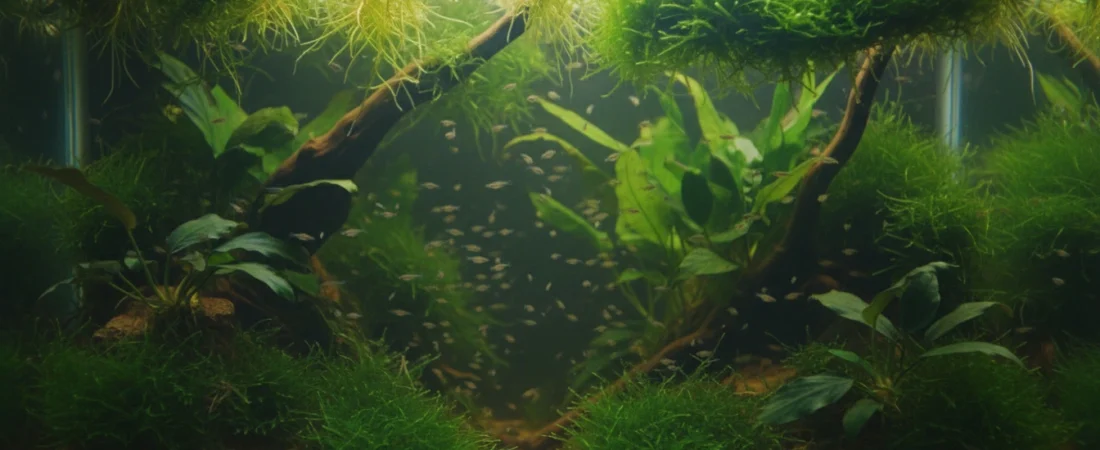
Integrating live plants into a fish breeding setup plays a pivotal role in creating an optimal environment for aquatic life. The significance of live plants extends beyond mere aesthetics; they serve numerous functions that are beneficial for both fish and their offspring, or fry. One major contribution of live plants is the enhancement of water quality. They naturally filter the water by absorbing excess nutrients and absorbing harmful toxins, leading to a healthier habitat for fish. This bioremediation process significantly reduces the need for chemical treatments, promoting better overall water conditions.
Moreover, live plants provide essential cover and hiding spots for fry, which can mitigate stress levels in young fish. In a natural environment, fry interact with vegetation for shelter, which provides them with safety from adult fish that may consider them prey. By simulating this natural environment, live plants increase fry survival rates and allow for a more successful breeding endeavor. It has been observed that in tanks with ample plant life, the fry tend to thrive, growing healthier and more robust than those raised in barren setups.
Additionally, drawing from my personal experience, incorporating live plants has transformed my breeding setups significantly. Initially, my tanks lacked greenery and sophistication, which resulted in challenges such as poor fry survival and stunted growth. However, after introducing a variety of live plants, including Java Fern and Anubias, the overall health of my fish improved remarkably. The vibrant green foliage not only enhanced the visual appeal of my tanks but also established a nurturing environment for both adult fish and fry. Consequently, I can attest to the multifaceted advantages that live plants bring to fish breeding initiatives, making them an indispensable component of a thriving aquatic ecosystem.
Why Live Plants Matter in a Breeding Tank
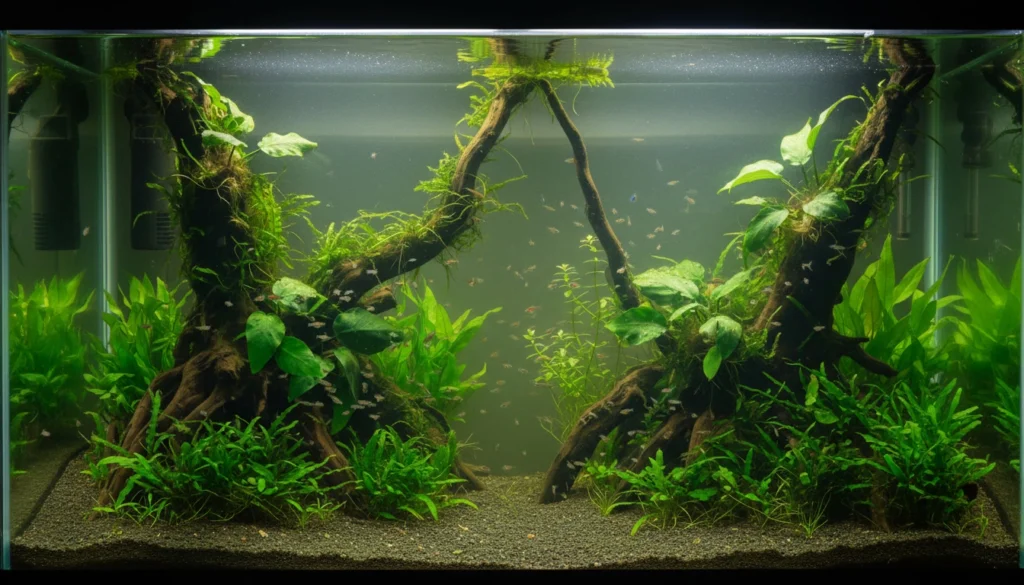
Live plants play a pivotal role in establishing an optimal breeding environment for aquatic species. They contribute significantly to creating a natural habitat that closely resembles the wild ecosystems from which many fish originate. This is essential as it reduces the stress levels of breeding pairs and encourages natural behaviors vital for successful reproduction. When fish perceive their environment as familiar, they are more likely to exhibit healthy mating rituals and proper care for their offspring.
In addition to mimicking natural habitats, live plants greatly enhance water quality within the breeding tank. They serve as essential components by absorbing harmful toxins such as ammonia and nitrates released from fish waste and uneaten food. This natural filtration process assists in maintaining a stable ecosystem, which is crucial during the delicate breeding phase. Furthermore, as live plants photosynthesize, they release oxygen into the water, ensuring that fish have access to the necessary resources for survival and growth.
Another significant advantage of incorporating live plants in breeding tanks is the shelter and protection they provide for fry. Newly hatched fish are often vulnerable to predation, whether from adult fish or other tank inhabitants. Dense vegetation offers a refuge where fry can hide and safely navigate their early developmental stages. This level of protection enhances their chances of survival, leading to higher survival rates and thriving populations. In summary, the presence of live plants in breeding setups promotes a healthier, more natural environment and contributes to the overall well-being of fish throughout their reproductive cycle.
| Benefit | How It Helps | Impact on Fry Survival |
|---|---|---|
| Natural Habitat | Reduces stress and encourages breeding behavior | Higher spawning success |
| Water Quality Improvement | Absorbs ammonia, nitrates and toxins | Healthier fry development |
| Protection for Fry | Provides hiding spaces from adult fish | Improved survival rate |
Best Live Plants for Fish Breeding Tanks
When considering a fish breeding setup, the choice of live plants plays a significant role in creating an ideal environment for both fish and their fry. Various types of plants can enhance the breeding tank’s ecosystem, increasing hiding spots and helping to maintain water quality. This section will explore some of the most suitable live plants for breeding tanks, specifically focusing on moss plants, floating plants, and rooted plants.
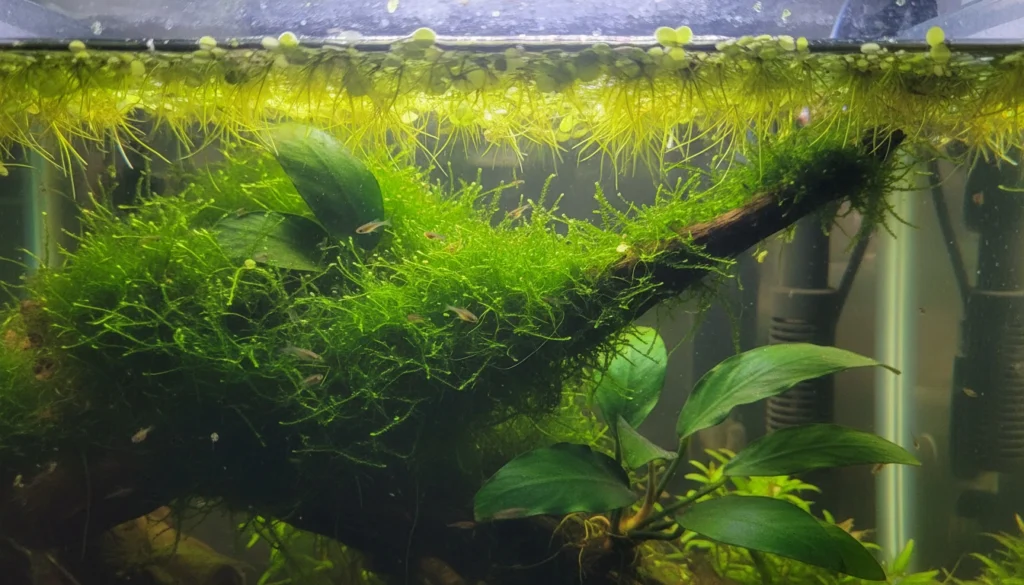
Moss Plants: Mosses, such as Java moss and Christmas moss, are excellent additions to breeding tanks. Their dense structure provides ideal hiding spots for fry, which can help prevent them from being eaten by adult fish. Additionally, moss plants are low-maintenance, making them accessible for aquarists of all levels. They can thrive in a variety of water conditions, ensuring that they will adapt well to different breeding setups.
Floating Plants: Floating plants like duckweed and water lettuce are also highly beneficial to breeding tanks. They filter excess light, which prevents algae growth, ensuring better water quality. Furthermore, these plants create shaded areas where fry can find refuge from larger fish. Their quick growth rate allows them to respond rapidly to changes in water conditions, adding a dynamic aspect to the breeding environment.
Rooted Plants: Rooted plants, such as Amazon swords and anubias, contribute to the overall health and stability of the breeding tank. They enhance oxygen levels in the water and provide shelter for fish and their young. Rooted plants need a substrate that provides proper anchorage and nutrients, which promotes healthy growth. Their presence aids in establishing a natural habitat that encourages breeding behavior among fish.
| Plant Type | Breeding Type | Care Level | Suitability |
|---|---|---|---|
| Moss Plants | Egg Scatterers | Low | All breeding tanks |
| Floating Plants | General | Low | Fry protection |
| Rooted Plants | Specific Species | Moderate | Compatible tanks only |
In conclusion, selecting the right live plants for your fish breeding tank can significantly enhance the breeding experience. By incorporating moss plants, floating plants, and rooted plants, you are creating a natural and nurturing environment that fosters the growth and safety of the fry. Proper plant selection based on your specific needs will yield a successful breeding setup.
How Live Plants Improve Egg Survival
In a fish breeding setup, the incorporation of live plants plays a crucial role in enhancing egg survival rates. Live plants contribute significantly to the overall health of the breeding tank, which in turn fosters a conducive environment for fish eggs to thrive. One of the primary benefits of live plants is their capability to provide natural oxygenation. Through the process of photosynthesis, plants release oxygen into the water, which is vital for both the eggs and the developing fry. Adequate oxygen levels ensure that the embryos remain viable and are less susceptible to anaerobic conditions that can lead to fungal growth.
Another important function of live plants is their ability to offer anti-fungal support. The presence of natural microorganisms that inhabit live plants can help combat harmful fungi that could otherwise attack the eggs. This symbiotic relationship is essential in reducing the risk of eggs succumbing to fungal infections, which are one of the leading causes of egg mortality in breeding setups. By keeping harmful organisms at bay, live plants create a safer environment for the fragile eggs.
Additionally, live plants provide surfaces for egg attachment, an important factor, especially for species that prefer to lay their eggs on vegetation. The texture and structure of live plants can offer the right conditions for eggs to stick securely, thereby minimizing the risk of them being swept away by currents or being eaten by adult fish. Lastly, live plants contribute to biological stability in breeding tanks. They help maintain water quality by absorbing nutrients and processing waste, leading to a balanced ecosystem that supports healthy development of the eggs. Thus, integrating live plants into your breeding tank can significantly improve egg survival rates, making them an indispensable component of successful fish reproduction.
Live Plants for Different Breeding Methods
In the world of fish breeding, understanding the specific requirements of different breeding methods is essential, and live plants can significantly enhance success rates across various setups. Three primary breeding methods commonly observed in aquaculture are egg scatterers, bubble nest builders, and livebearers, each benefiting from carefully selected plant species.
Egg scatterers, such as many types of tetras and danios, require a substrate or cover for their eggs. In my breeding experience, floating plants like Salvinia and Riccia have offered excellent protection and shelter for eggs after spawning. These plants provide a shaded area where eggs can adhere without being disturbed by water currents or other fish. Additionally, stem plants like Hygrophila serve as a great refuge for fry once they hatch, promoting their survival in a crowded tank environment.
For bubble nest builders, such as bettas and gouramis, incorporating broad-leaved plants becomes crucial. In my setups, I have found the use of plants such as the Anubias and Java Fern to be highly effective. Their sturdy leaves provide a suitable surface for the male fish to build their nests. These plants also enhance water quality, which is vital since bubble nest builders require stable conditions for successful breeding.
Lastly, livebearers, including guppies and platies, thrive in heavily planted environments. Using a variety of plants like Elodea and Hornwort not only allows the pregnant females to find hiding spots to safely drop their fry but also facilitates a thriving ecosystem that supports both adults and young fish. The dense plant structure keeps fry hidden from potential predators, which contributes positively to fry survival rates.
Do You Need CO₂ and Fertilizers in a Breeding Tank?
When designing a breeding tank for fish, one critical aspect to consider is the role of live plants in conjunction with carbon dioxide (CO₂) and fertilizers. The approach taken can significantly impact the overall health of the aquatic environment, impacting both plant growth and the well-being of the fish. There are two primary setups for breeding tanks: low-tech and high-tech, each with distinctive characteristics in terms of CO₂ and fertilizer requirements.
The low-tech setup often involves minimal intervention, relying on natural processes to sustain plant life. In this scenario, CO₂ is maintained at ambient levels, which might suffice for slow-growing, hardy species of live plants. These plants can thrive in nutrient-rich substrates without the need for additional fertilizers. This setup is advantageous for beginner aquarists or those looking for a more stable and low-maintenance breeding environment. In such tanks, balancing light, water flow, and natural decay provides sufficient nutrients for both the plants and breeding fish.
In contrast, high-tech setups typically incorporate pressurized CO₂ systems alongside regular fertilization schedules. These systems promote faster plant growth and allow for the inclusion of a broader range of aquatic plants. By adjusting CO₂ levels and monitoring nutrient delivery carefully, aquarists can create an optimal environment for both plant and fish health. However, this method requires more knowledge and diligence, making it suitable for experienced breeders looking to maximize plant and fish breeding potential.
In conclusion, the decision between using CO₂ and fertilizers in a breeding tank largely depends on personal goals and experience as an aquarist. Both low-tech and high-tech approaches have their merits and can effectively support live plants while breeding fish, but understanding the specific needs of the plants and fish involved is paramount to the success of the setup.
Common Mistakes When Using Live Plants in Breeding Tanks
Incorporating live plants into breeding tanks can significantly enhance the environment for both fish and fry. However, novice aquarists frequently encounter specific pitfalls that can jeopardize the breeding ecosystem. Understanding these common mistakes is essential for fostering a successful and healthy breeding setup.
One prevalent mistake is neglecting the lighting requirements of the live plants. Different species require varying light intensities and durations to thrive. For example, while some plants flourish under low-light conditions, others demand bright, direct illumination. Failing to match plant light needs can lead to unhealthy growth, creating an imbalance in the breeding tank that adversely affects fish health.
Another common error is over-fertilizing the breeding tank. Many aquarists believe that adding more nutrients will promote plant growth; however, excessive fertilizers can cause algal blooms, which compete with the plants for resources and diminish oxygen levels in the water. This scenario can create a stressful environment for breeding fish, impacting their reproductive behaviors. It is crucial to conduct regular water tests and apply fertilizers according to the specific requirements of the plants involved.
Furthermore, improper selection of plant species can lead to complications. Some plants can grow rapidly and become invasive, thus overtaking the tank space necessary for breeding. Selecting suitable plants that provide shelter for fry while being manageable in size is essential. Additionally, not considering compatibility with the specific fish species being bred can pose challenges; some fish may nibble on or uproot plants, compromising both plant health and tank stability.
In conclusion, by avoiding these common pitfalls—such as inadequate lighting, over-fertilization, and poor plant selection—aquarists can create a harmonious breeding environment that supports both live plants and the fish population effectively.
Artificial Plants vs Live Plants in Breeding Setups
In the context of fish breeding setups, the choice between artificial plants and live plants has significant implications for both the environment and the health of the fish. Each type of plant offers distinct advantages and presents some challenges that may influence a breeder’s decision.
| Feature | Live Plants | Artificial Plants |
|---|---|---|
| Maintenance | Moderate | Low |
| Oxygenation | Yes | No |
| Water Quality | Improves naturally | No biological benefit |
| Fry Safety | High | Moderate |
Live plants are often favored for their natural benefits. They provide a habitat that mimics the fish’s native environment, leading to reduced stress levels among the fish. Live plants contribute to water quality by absorbing excess nutrients and providing oxygen during the photosynthesis process. This process fosters a balanced ecosystem that supports not just adult fish, but also fry, promoting their development and survival. Moreover, live plants can serve as shelter for fry, helping them evade potential predation during the vulnerable stages of their life cycle.
Despite these benefits, live plants require specific care; they need appropriate lighting, CO2 levels, and nutrients to thrive. Poor maintenance can lead to algae blooms, which can be detrimental to fish health. In contrast, artificial plants offer a low-maintenance alternative. They don’t decay, require no special lighting, and can be cleaned easily, making them attractive to breeders looking for convenience.
However, artificial plants lack the ecological benefits provided by their live counterparts. They do not support the same biological filtration process and do not help in oxygenating the water. While they can serve as decoration and provide some hiding spaces, they cannot replace the organic benefits that live plants offer to a breeding setup.
To summarize, the choice between artificial and live plants hinges on factors such as the breeder’s commitment to maintenance and the specific needs of the fish species being bred. The following table outlines key features of both options:
The decision ultimately reflects a balance of convenience against ecological benefits, allowing breeders to tailor their setups to best meet the needs of their fish.
Step-by-Step Guide to Adding Live Plants to a Breeding Tank
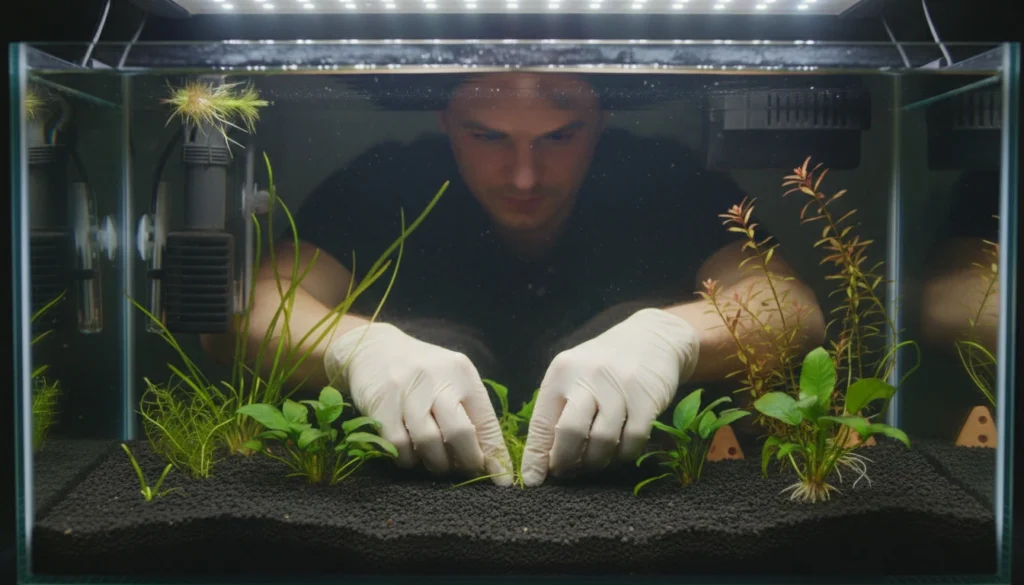
Integrating live plants into a fish breeding setup can enhance the aquarium’s aesthetics and provide crucial benefits for the aquatic environment. Here is a straightforward, numbered guide to help you successfully add live vegetation to your breeding tank:
1. Choose the Right Plants: Start by selecting suitable aquatic plants that thrive in breeding conditions, such as Java fern, Anubias, or hornwort. These plants are hardy and can offer shelter for fry, improving their chances of survival.
2. Prepare Your Breeding Tank: Ensure your breeding tank is thoroughly cleaned and cycled. A well-balanced environment with appropriate water parameters (temperature, pH, and hardness) is essential for both plants and fish.
3. Rinse Plants: Before adding the plants to your aquarium, rinse them under fresh water to remove any contaminants or pests. This step is crucial in preventing unwanted algae growth or disease in your breeding tank.
4. Arrange the Plants: Strategically position the plants in your tank. Consider the needs of the fish, placing taller plants towards the back and shorter ones in the foreground. This approach helps to create hiding spots for fry and enhances the tank’s visual appeal.
5. Planting Technique: For rooted plants, place them in the substrate at a depth that supports their roots while ensuring the crown remains above the substrate. Floating plants can be introduced by simply placing them on the water’s surface.
6. Monitor Water Conditions: After adding live plants, regularly monitor the water quality and make adjustments as necessary. Live plants can impact the water chemistry, so routine testing is advisable.
7. Allow Time for Adjustment: Give the plants and fish time to adapt to their new environment. It is normal for plants to take a few weeks to establish themselves in the substrate.
By following these steps, you can effectively integrate live plants into your breeding tank, creating a healthier habitat for your fish and promoting successful breeding outcomes.
Frequently Asked Questions
When setting up a breeding tank, a common query is whether live plants are necessary. Live plants are not only beneficial but also essential in a breeding setup. They provide hiding spots for fry, lowering stress levels and promoting healthy growth. Additionally, live plants contribute to stabilizing the tank’s ecosystem, ensuring that the breeding environment supports the delicate needs of young fish.
Another frequent question relates to the effectiveness of live plants against fungi within a breeding tank. Certain species of plants can indeed act as a natural deterrent to fungal growth. They improve water quality by absorbing excess nutrients, which can otherwise lead to algae blooms and fungal infections. Incorporating live plants can significantly enhance the health of both adult fish and their offspring.
Concerns about the influence of live plants on water pH levels are common among aquarists. Generally, plants can have a moderate effect on pH, often helping to stabilize it by absorbing carbon dioxide and releasing oxygen during the day. However, it’s essential to maintain a balance, as some plants may release organic acids that could affect the pH. Routine water testing ensures that optimal conditions are maintained in the breeding tank.
For fry survival, selecting the right types of plants is crucial. Fast-growing species such as Java moss, Hornwort, or Water Sprite are excellent choices as they provide cover for small fry while actively improving water quality. These plants offer not only physical refuge but also serve as a source of food for young fish, aiding in their growth and development.
Conclusion
In summary, the integration of live plants within a fish breeding setup is essential for establishing a thriving aquatic ecosystem. My hands-on experience in managing breeding tanks has consistently demonstrated that live plants not only contribute to the aesthetic appeal of the environment but also play a pivotal role in promoting the overall well-being of fish. By providing essential oxygenation, natural filtration, and shelter, these plants create a habitat conducive to breeding and increasing fry survival rates.
The presence of live plants helps to stabilize water parameters, an important factor that significantly impacts the health of the fish and the success of breeding efforts. In addition, plants can absorb harmful substances, thereby facilitating a more balanced environment that diminishes stress levels among breeding pairs. Notably, the cover that plants provide is vital for egg-laying and fry protection, allowing these young fish to find refuge as they develop.
Through my observations, I have found that breeding fish in a planted environment often leads to increased activity and vitality. Fish exhibit more natural behaviors and tend to thrive in habitats that mimic their natural surroundings. This not only enhances their health but also optimizes breeding conditions, leading to a higher yield of healthy offspring.
Ultimately, the advantages of incorporating live plants into fish breeding tanks cannot be overstated. With their multifaceted benefits, live plants emerge as indispensable components that enhance fish health and breeding success. As aquarists increasingly acknowledge the critical role of live vegetation in fostering stable ecosystems, it becomes clear that these green companions are more than mere decor; they are integral to nurturing life within the aquatic realm.