Introduction
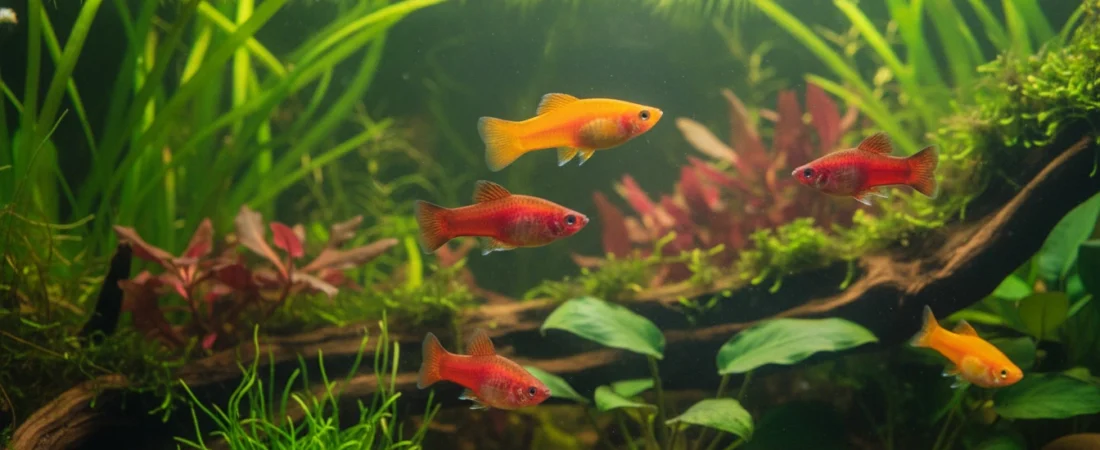
Welcome to the captivating realm of platy fish breeding, a venture that offers both challenges and rewards to aquarium enthusiasts. Platy fish, known scientifically as Xiphophorus maculatus, have gained immense popularity among hobbyists due to their vibrant colors, ease of care, and sociable nature. These livebearers are not only visually appealing but also fascinating in terms of their breeding practices, making them an excellent choice for both novice and experienced aquarists.
Successful breeding of platy fish largely hinges on several critical factors, with water quality being paramount. Ensuring that the aquatic environment meets the specific requirements of platy fish is essential for their health and ability to reproduce effectively. These fish thrive in well-maintained water conditions, which includes appropriate temperature, pH, hardness, and clarity. Understanding and optimizing these parameters can significantly enhance the likelihood of successful breeding outcomes.
In my personal experience with breeding platy fish, I’ve discovered that establishing a stable and nurturing habitat is crucial not just for reproductive success, but also for the overall well-being of the fish. The conditions under which platy fish live during their breeding cycles can influence the number and health of the fry. This makes it imperative for breeders to grasp the nuances of water management and habitat setup.
As we delve deeper into the techniques and considerations for breeding platy fish, this post will cover essential information regarding water requirements and effective practices. By understanding the requirements of platy fish and applying key breeding techniques, aspiring breeders can enjoy a successful and fulfilling experience in raising these delightful aquatic companions.
Understanding Platy Fish as Livebearers
Platy fish, scientifically known as Xiphophorus maculatus, are fascinating members of the livebearer category within the fish kingdom. Unlike many fish species that reproduce by laying eggs, platy fish give birth to live young, a reproductive method that offers several advantages in a natural environment. This unique characteristic not only sets them apart from oviparous species but also allows them to adapt successfully to a variety of aquatic habitats.
The livebearing process in platy fish is characterized by internal fertilization, where the male fertilizes the female’s eggs inside her body. After a gestation period ranging from 24 to 30 days, the female gives birth to fully-formed, swimming fry. This method increases the chances of offspring survival since the young are born ready to fend for themselves. Furthermore, it allows for greater control over breeding behavior, contributing to the manageable population growth of platy fish in home aquariums.
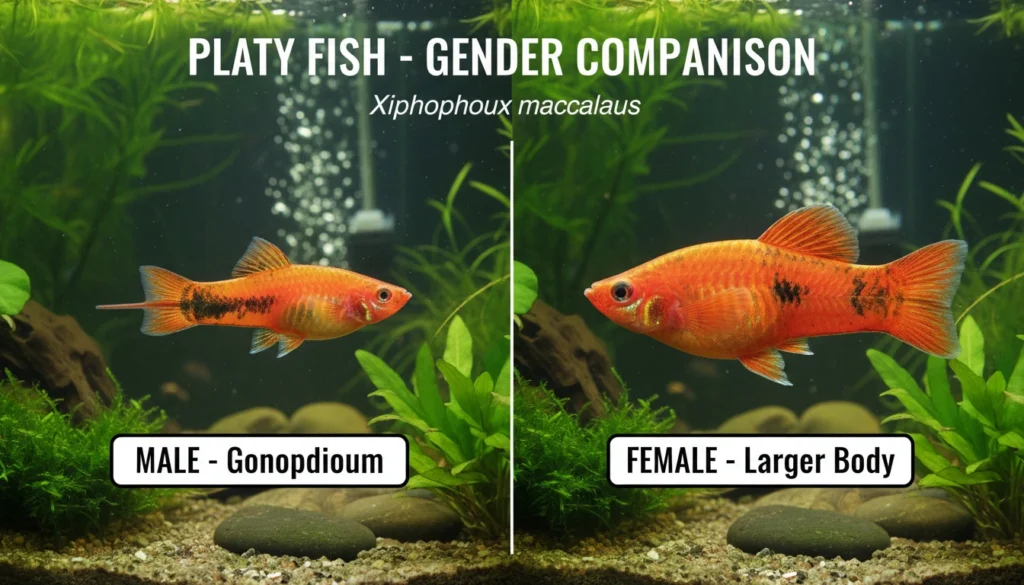
Identifying the gender of platy fish is relatively straightforward, given their distinct physical features. Males typically possess a modified anal fin known as a gonopodium, which they use during mating. In comparison, females exhibit a larger, rounder body shape, which is necessary for carrying and nurturing their young. These visual cues not only make it easier for breeders to select mates but also play a vital role in maintaining balanced tank populations.
To ensure a successful breeding environment for platy fish, it is crucial to maintain optimal conditions throughout the gestation period. Factors such as water temperature, quality, and pH levels must be carefully monitored to support the health of the expectant mother and her fry. By creating a stable and nurturing environment, aquarists can enhance the breeding experience and increase the likelihood of a thriving offspring.
Ideal Water Requirements for Platy Fish Breeding
Successfully breeding platy fish is contingent upon maintaining optimal water conditions. Temperature is a fundamental factor, as platies thrive in a warm environment. The ideal temperature range for platy fish breeding is between 74°F to 82°F (23°C to 28°C). Within this range, fish are more likely to exhibit natural breeding behaviors and increase their overall vitality.
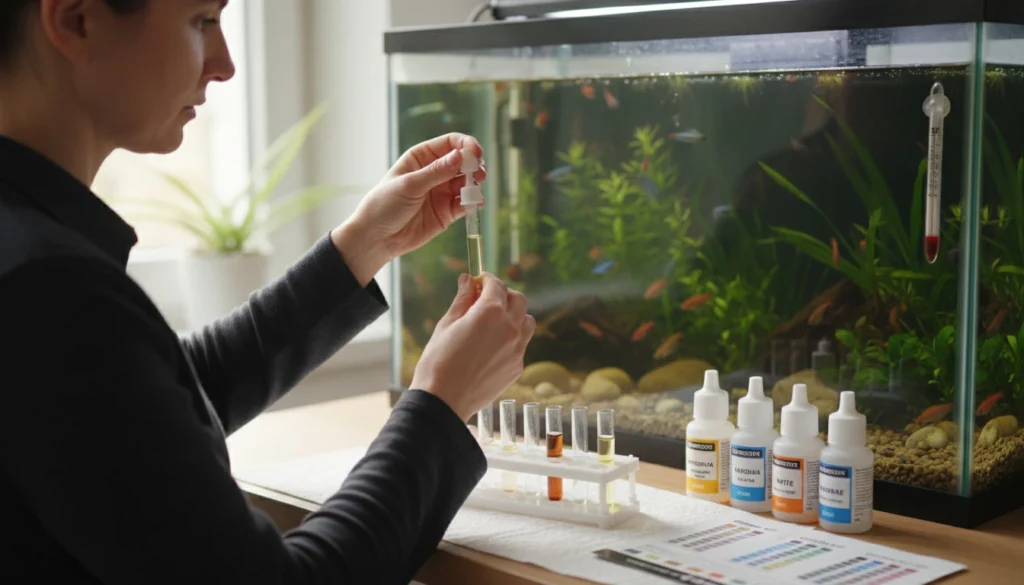
Another critical aspect to consider is the pH level of the water. Platy fish prefer a slightly alkaline environment, with a pH range of 7.0 to 8.2. Regularly monitoring the water’s pH is essential, as significant fluctuations can stress the fish and inhibit successful reproduction. Implementing a reliable test kit can help in maintaining these levels consistently.
Water hardness is also vital for platy fish breeding. Ideally, the hardness should be within 10 to 25 degrees dKH (degrees of carbonate hardness). This level of hardness not only aids in the healthy development of platy fish but also supports optimal breeding conditions. Adjusting water hardness can be achieved through the use of mineral supplements or by partially adding water from a freshwater source with higher hardness levels.
Additionally, it is advisable to ensure that the water is clean and well-aerated. Regular water changes of about 10-15% weekly can help maintain water quality, reducing nitrate levels and preventing the buildup of harmful substances. Installing a quality filtration system is essential to provide adequate aeration and create a stress-free environment conducive to breeding.
| Parameter | Ideal Range | Importance |
|---|---|---|
| Temperature | 24–28°C (75–82°F) | Stimulates breeding activity |
| pH Level | 7.0–8.2 | Maintains reproductive health |
| Water Hardness | 10–20 dGH | Supports fry development |
| Ammonia | 0 ppm | Prevents toxicity |
| Nitrite | 0 ppm | Prevents fish stress |
| Nitrate | Below 20 ppm | Ensures long-term health |
In conclusion, by maintaining the appropriate temperature, pH, and water hardness, along with ensuring good water quality, aquarists can create an ideal environment for platy fish to breed successfully.
Temperature (24–28°C / 75–82°F)
Maintaining an optimal temperature is crucial for the successful breeding of platy fish, as it directly influences their reproductive health and activity. The ideal temperature range for breeding platies is between 24 to 28 degrees Celsius (75 to 82 degrees Fahrenheit). Within this range, platy fish exhibit heightened reproductive behaviors and improved fry survival rates.
When the water temperature is kept within this optimal range, platies tend to exhibit more frequent and vigorous breeding activities. The warm water encourages increased metabolic rates, leading to enhanced breeding colors and behaviors that attract potential mates. Moreover, a stable temperature within these parameters promotes the health of both the adult fish and their offspring, reducing the risk of disease and stress-related issues that could arise from temperature fluctuations.
To effectively monitor and maintain consistent temperature in the aquarium, aquarists can implement various techniques. Utilizing high-quality aquarium heaters capable of maintaining a steady temperature is essential. It is advisable to invest in a reliable thermometer to accurately gauge the water temperature, as well as automatic temperature controllers that can adjust the heating elements when needed. Regularly checking the temperature, especially during seasonal changes, helps ensure it remains within the recommended range. Additionally, placing the aquarium away from direct sunlight and drafts can minimize temperature fluctuations, creating a stable environment conducive to breeding.
By prioritizing the appropriate temperature conditions for platy fish breeding, aquarists can foster an environment where these vibrant fish thrive, leading to successful breeding outcomes and healthy fry. Achieving and maintaining the ideal temperature is essential for both the reproductive success of platies and the overall well-being of the aquarium ecosystem.
pH Level (7.0–8.2)
The pH level of the water is an essential parameter when breeding platy fish, as it directly influences their health, behavior, and reproductive success. Maintaining a pH level within the range of 7.0 to 8.2 is ideal for these fish. Within this range, platies thrive and display optimal growth and breeding behavior. Deviations from this pH range can lead to stress in the fish, which can subsequently impact their ability to breed effectively.
Experience has shown that fluctuations in pH can lead to various challenges during the breeding process. When the pH is too low, or acidic, it can disrupt the overall balance of the aquatic environment, leading to health issues. Conversely, excessively high pH levels can hinder the fish’s reproductive activities, making it crucial to monitor water conditions regularly.
Testing the pH level is relatively straightforward. A reliable aquarium pH testing kit can help you measure water acidity easily. When adjusting the pH, it is vital to do so gradually to avoid shocking the fish. Several methods exist for this adjustment, including using commercial pH up or down products, or natural materials like driftwood and peat to lower the pH, while crushed coral can raise it effectively.
Observing the fish for signs of stress such as lethargy, changes in coloration, or altered behavior is crucial in assessing the suitability of the pH level. Maintaining stability is paramount, as platy fish do best in consistent conditions. Once the ideal pH range is achieved and maintained, the likelihood of successful breeding significantly increases, making it essential to prioritize this parameter in the overall breeding strategy.
Water Hardness for Platy Fish Breeding
Water hardness plays a crucial role in the overall health and breeding success of platy fish (Xiphophorus maculatus). In aquaculture, water hardness refers to the concentration of dissolved minerals, primarily calcium and magnesium, in the water. For platies, a moderate to hard water range typically defined as 10 to 20 dGH (degrees of general hardness) is most conducive for their breeding and development.
Measuring water hardness can be accomplished using a variety of testing kits, which are often available at aquarist stores or online. These kits usually use a simple color change method, enabling aquarists to determine the levels of hardness in their aquarium. Regular monitoring is essential, as variations in water parameters can impact the overall health and reproductive success of platies.
To achieve the appropriate hardness levels in your aquarium, start by using a mix of tap water and deionized or reverse osmosis (RO) water. Tap water in many locations may already be within the desired hardness range; however, it is vital to test this water before introducing it to the aquarium. If the hardness is below desired levels, adding minerals can help raise it. Commercial products designed to increase water hardness are available, or natural alternatives like crushed coral or limestone can be used in the substrate or filter. Monitoring these additions is critical to prevent sudden spikes in water hardness, which could stress your platies.
Maintaining stable water hardness levels is important, as platy fish thrive in consistent environments. Sudden changes can lead to health issues and may negatively affect their propensity to breed. Providing the right water conditions will encourage your platy fish to thrive, ultimately supporting successful breeding efforts.
Ammonia and Nitrite Levels in Platy Fish Breeding
In any breeding environment, particularly for platy fish, monitoring water quality is paramount. Among the essential parameters to pay attention to are ammonia and nitrite levels, both of which are byproducts of fish metabolism and organic matter decomposition. Elevated levels of these compounds can be toxic, creating a hostile environment that jeopardizes both the health of the parent fish and the developing fry.
Ammonia is present in two forms: ionized (NH4+) and unionized (NH3). The unionized form is far more toxic, even at low concentrations. Ideally, the ammonia level should be maintained at 0 mg/L for the safety of the fish. Nitrite, while less toxic than ammonia, can still pose serious health risks, leading to conditions such as brown blood disease in fish when levels exceed 0.5 mg/L. Establishing a successful breeding setup relies on keeping both of these parameters in check.
Monitoring can be achieved through regular testing with reliable water test kits, specifically designed to measure ammonia and nitrite levels. These kits typically indicate safe ranges and alert you when levels begin to rise. A crucial step in combating these toxins involves biological filtration introducing beneficial bacteria that convert ammonia to nitrite and then to nitrate, which is far less harmful. Regular water changes will also dilute the harmful substances and replenish essential minerals, keeping the breeding environment stable.
In addition to these preventive measures, awareness of the factors contributing to ammonia and nitrite spikes is key. Overfeeding, inadequate filtration, and insufficient water changes can elevate toxin levels quickly. Establishing a routine that includes feeding small amounts and maintaining an efficient filtration system will foster a healthy breeding environment for platy fish.
Platy Fry Care
Once the platy fry are born, ensuring their proper care is critical for their survival and growth. Newly hatched fry are small and vulnerable, necessitating specific environmental conditions and dietary provisions. The initial tank conditions play a pivotal role in fostering their well-being. A separate fry tank is recommended, which can maintain water levels at around 5 to 10 gallons. This smaller volume not only stabilizes water parameters more effectively but also allows for easier management of conditions.
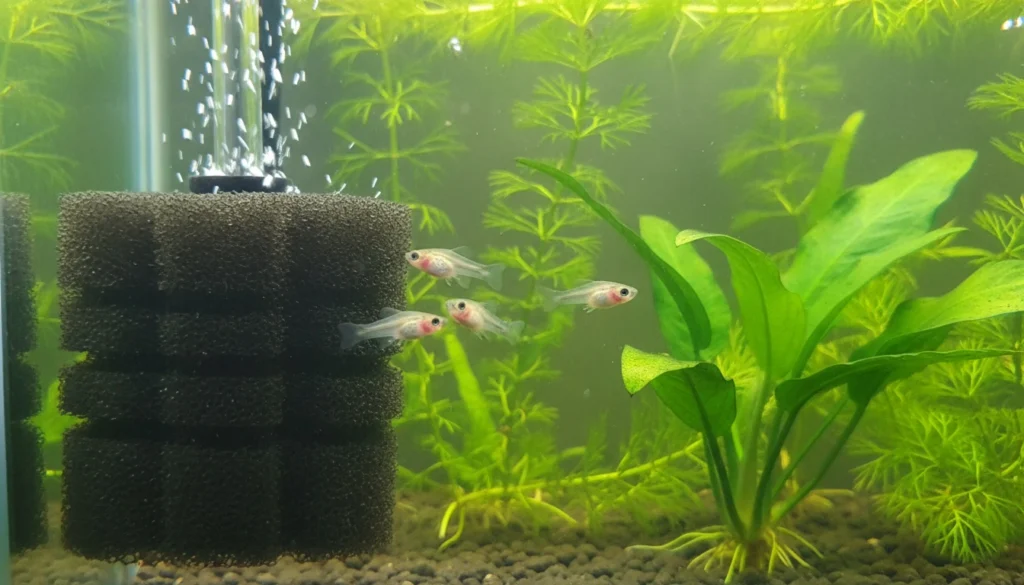
The water temperature should be kept between 76°F to 80°F (24°C to 27°C), as this range promotes healthy growth rates for baby platies. Additionally, maintaining a pH level of 7.0 to 8.0 is ideal for fry development, aligning with their natural habitat. Filtration is essential, but extreme currents should be avoided; a sponge filter is often a suitable choice as it provides necessary water circulation without risking the fry’s safety.
In terms of dietary needs, platy fry require nutrient-rich food that is appropriately sized for their small mouths. Starting with infusoria, finely crushed flakes, or specialized fry food can facilitate adequate nutrition. These food sources should be offered multiple times a day in small amounts to ensure they remain fresh and manageable, preventing uneaten food from polluting the water.
| Fry Age | Recommended Food | Feeding Frequency |
|---|---|---|
| Day 1–3 | Infusoria | 3–4 times daily |
| Day 4–10 | Baby brine shrimp | 3 times daily |
| 10+ days | Crushed flakes / Fry pellets | 2–3 times daily |
As fry grow, their diet can be transitioned to larger-sized food like baby brine shrimp or crushed pellets. Consistently monitoring their growth and adjusting feeding practices are key components of fry care. Additionally, it is prudent to avoid overcrowding by ensuring that only a manageable number of fry inhabit the tank, which can significantly increase their chances of survival and thriving.
Frequently Asked Questions
Breeding platy fish can be an exciting and rewarding endeavor, and it’s common for novice breeders to have a plethora of questions. One of the most frequent concerns is how to troubleshoot common issues that may arise during the breeding process. A critical aspect to consider is water quality; a stable aquatic environment is crucial for the health of both adult platys and their fry. Regular testing for pH, ammonia, nitrite, and nitrate levels can help ensure optimal breeding conditions. If you notice any anomalies, it may be necessary to conduct partial water changes or adjust the tank’s filtration system.
Another common inquiry revolves around breeding success tips. To increase the likelihood of successful breeding, consider providing plenty of hiding spaces within the tank. Java moss and other plants offer perfect refuge for fry, protecting them from being eaten by adult fish. Furthermore, it is advisable to separate males and females to prevent constant mating stress before introducing them into a breeding setup, which allows for more controlled mating encounters.
New breeders often wonder about the gestation period for platy fish and the care needed for newborns. The average gestation period is around 28 days. After the fry are born, it is crucial to feed them with special fry food initially, ensuring their proper growth. Additionally, monitor the water conditions closely, as fry are sensitive to changes and can easily succumb to poor water quality. Keeping these factors in mind will enhance your understanding of platy fish breeding.
In conclusion, by addressing these common questions and issues, you can create a more favorable environment for breeding platy fish. An informed approach can lead to a successful breeding experience, ensuring the health and well-being of both adult fish and their young.
Conclusion
In conclusion, successful platy fish breeding hinges on a thorough understanding of their specific water requirements and the techniques employed throughout the process. Maintaining optimal water conditions, including temperature, pH, and hardness, is crucial for the health and breeding success of these vibrant fish. Platies thrive in well-maintained aquariums with excellent filtration and regular water changes, ensuring a suitable habitat for both parents and offspring. Additionally, understanding the breeding behavior and reproductive cycle of platy fish greatly enhances the chances of a fruitful breeding experience.
Equally important is the application of appropriate breeding techniques. Providing ample hiding spots and a nurturing environment can significantly influence the survival rate of fry, contributing to a more robust breeding outcome. As aquarists gain experience, they may experiment with different breeding strategies to optimize results further. Each step in the platy breeding journey is filled with opportunities to learn and adapt, cultivating a deeper connection between the breeder and these captivating aquatic creatures.
As you embark on your own platy fish breeding adventure, I encourage you to embrace the complexity and joy that comes with caring for these beautiful fishes. The knowledge gained from understanding their water needs and breeding behavior will not only equip you for success but also enhance your appreciation for the natural world. Happy breeding!