Introduction
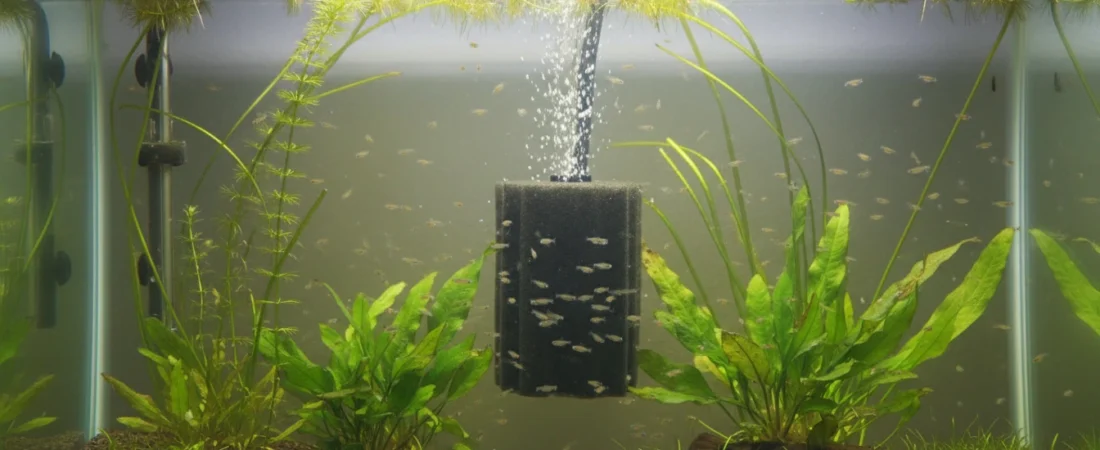
Nitrates are chemical compounds that are important to understand, particularly in the context of aquatic environments such as breeding tanks. In simple terms, nitrates are created during the nitrogen cycle as waste materials from fish and uneaten food decompose and are broken down by beneficial bacteria. While nitrates themselves are not the most toxic form of nitrogen, high levels can still be detrimental to the health of fish and fry alike.
One reason why nitrates accumulate in breeding tanks is the relatively high bioload created by multiple fish, especially during breeding periods when fish tend to be more active and produce more waste. Additionally, overfeeding can contribute significantly to nitrate buildup, as uneaten food decomposes and contributes to organic waste. Compounding these factors are the limitations of small breeding tanks, where water changes may be less frequent than in larger setups. Therefore, it is crucial for aquarists to monitor nitrate levels diligently.
Maintaining safe nitrate levels is vital not only for the immediate health of adult fish but also for the delicate fry that are often more sensitive to water quality issues. Elevated nitrate levels can lead to stress, poor growth, and even mortality in young fish. Hence, controlling these levels is a crucial aspect of responsible breeding practices.
In summary, a comprehensive understanding of what nitrates are, why they accumulate in breeding tanks, and the risks they pose is the first step towards effective management of water quality. By prioritizing this knowledge, aquarists can create a safer, healthier breeding environment.
What are Nitrates and Why Do They Increase in Breeding Tanks?
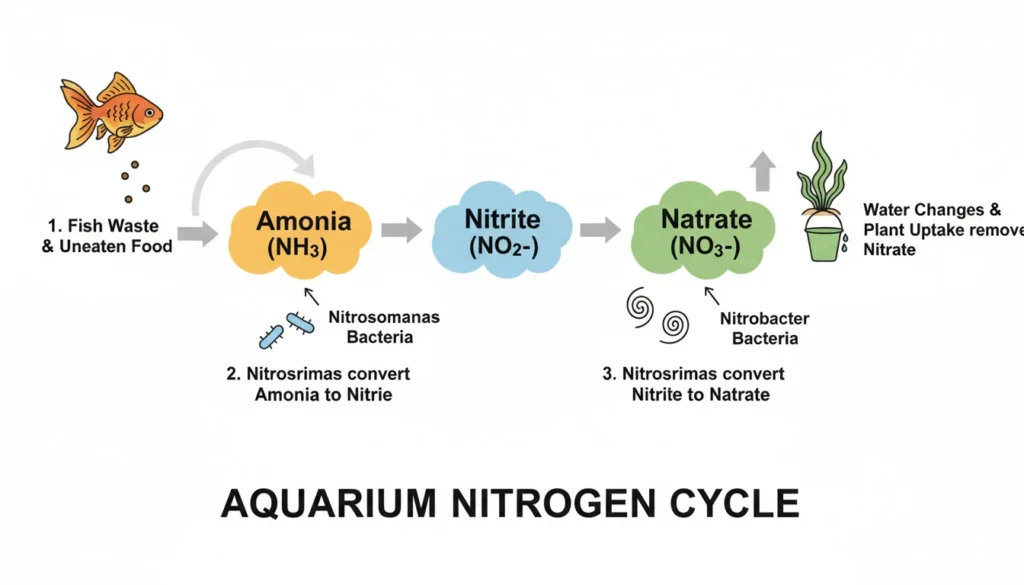
Nitrates are chemical compounds consisting of nitrogen and oxygen, primarily derived from the natural breakdown of organic materials in aquatic environments. They are a critical component of the nitrogen cycle, a biological process that converts ammonia into nitrite and subsequently transforms nitrite into nitrate through the action of beneficial bacteria. This process not only occurs in the water column but also on surfaces throughout the breeding tank, where biological filtration plays a crucial role in maintaining water quality.
In breeding tanks, it is common to observe elevated levels of nitrates due to several factors. First and foremost, heavier feeding practices in breeding setups lead to an increased amount of organic waste. Uneaten food, fish waste, and decaying plant material contribute significantly to ammonia levels, which subsequently elevates nitrite and, eventually, nitrate concentrations as these compounds are processed through the nitrogen cycle.
Overstocking is another prevalent reason for heightened nitrate levels in breeding tanks. When too many fish are housed in a limited volume of water, the biological load increases, resulting in a greater accumulation of waste products. Smaller water volumes often lead to more rapid fluctuations in water chemistry, making it harder to maintain a stable environment. Additionally, the organic waste buildup from plants and uneaten food is exacerbated by these conditions.
In summary, understanding the nature of nitrates and the nitrogen cycle is essential for managing breeding tanks effectively. By recognizing the contributors to heightened nitrate levels, such as heavy feeding, overstocking, and the challenges presented by smaller water volumes, breeders can implement strategies to mitigate these increases and ensure a healthier environment for breeding aquatic life.
Safe Nitrate Levels for Breeding Tanks
The maintenance of appropriate water quality is vital for the health and reproductive success of aquatic organisms, specifically in breeding tanks. Nitrate levels in breeding tanks should be monitored closely, as elevated concentrations can adversely affect the health of both adult fish and their offspring. Generally, safe nitrate levels for breeding tanks should not exceed 20 mg/L. Levels above this threshold pose risks that can inhibit breeding behaviors and lead to increased stress among fish.
For different types of aquatic systems, such as community tanks or fry tanks, specific nitrate levels are recommended. Community tanks, which house a variety of fish species, can tolerate slightly higher nitrate levels, ideally maintaining a range between 10 mg/L and 30 mg/L. In contrast, fry tanks, designed for rearing young fish, are most delicate and should maintain nitrate levels below 10 mg/L to ensure optimal growth and development.
High nitrate exposure can lead to a range of health issues, including reduced fertility rates, compromised immune systems, and even mortality in severe cases. For breeding tanks, where the primary objective is to encourage successful spawning, it is crucial to maintain stable, safe nitrate levels. Regular water testing and appropriate filtration methods can help achieve these levels, providing a healthy environment for both breeding adults and their young.
Table 1 below encapsulates the recommended safe nitrate levels for various types of tanks:
| Tank Type | Safe Nitrate Levels (mg/L) |
|---|---|
| Community Tank | 10 – 30 |
| Breeding Tank | 0 – 20 |
| Fry Tank | 0 – 10 |
By adhering to these guidelines for nitrate levels, fish breeders can ensure a healthier, more productive environment for their aquatic species.
Signs That Nitrate Levels Are Too High
Monitoring the health of your breeding tank is crucial, as excessive nitrate levels can lead to numerous complications affecting both fish and their environment. One of the primary indicators of elevated nitrate levels is the slow growth of fry. Healthy fry should exhibit noticeable growth rates; however, when nitrates are high, their development can stagnate, leading to smaller and weaker fish. This reduced growth can decrease survival rates and ultimately affect the population sustainability in the breeding tank.
In addition to hindered growth, another significant sign of high nitrate levels is a decline in breeding activity among adult fish. High nitrates can create an uncomfortable environment, causing stress to the fish. Stress is known to adversely affect reproductive behavior, leading to reduced spawning frequency or even complete cessation of breeding activity. Recognizing this decline early can help in making the necessary adjustments to the tank conditions.
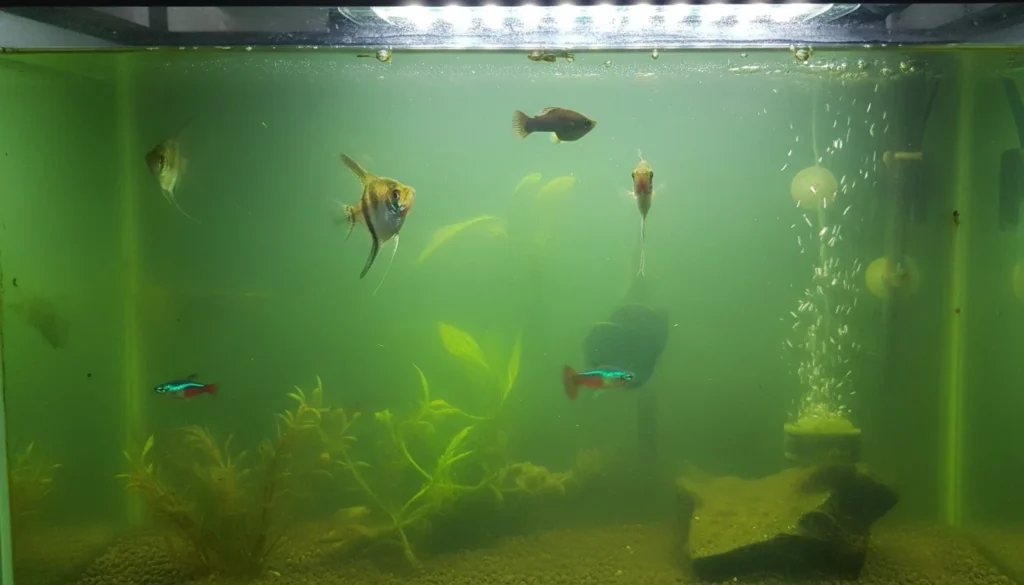
Furthermore, high nitrate concentrations can create favorable conditions for algae blooms, resulting in unsightly green water and potential oxygen depletion. Excessive algae not only detracts from the aesthetic appeal of the aquarium but can also lead to increased competition for resources among fish. In addition to these visible effects, high nitrate levels can predispose the fish to various health issues, increasing the risk of disease outbreaks that can spread rapidly in a confined space.
It is essential to be vigilant about these signs, as they are critical indicators of the health of both the fish and the aquatic ecosystem. Regular testing of nitrate levels and observation of breeding activity are vital practices to ensure a thriving breeding tank.
Immediate Steps to Lower High Nitrate Levels
Managing high nitrate levels in a breeding tank is crucial for the health of aquatic species and successful breeding. The first immediate action to take is performing partial water changes. This practice involves replacing approximately 20% to 30% of the tank water with fresh, dechlorinated water. By doing so, you can quickly dilute the nitrate concentration, creating a more favorable environment for breeding. Regular monitoring of nitrate levels before and after water changes is recommended to gauge effectiveness.
Another essential step is vacuuming the substrate. Accumulated detritus, uneaten food, and fish waste can contribute to raised nitrate levels. Utilizing a siphon vacuum while performing water changes helps in removing these organic materials from the substrate. This not only reduces nitrate but also enhances the overall cleanliness of the breeding tank, subsequently promoting a healthier environment for the fish.
In addition to these actions, proper cleaning of filter media is vital. Filters are instrumental in maintaining water quality, and when they become clogged, they can hinder the filtration process, which may lead to increased nitrate levels. It is advisable to rinse the filter media in tank water rather than tap water to preserve beneficial bacteria. A scheduled maintenance routine for filters can significantly contribute to sustaining low nitrate levels over time.
Implementing these immediate steps can lead to a significant reduction of high nitrate levels in a breeding tank. Each action not only addresses the current nitrate issue but also sets the foundation for ongoing management, which is critical for ensuring a safe and healthy breeding environment.
| Action | How It Helps |
|---|---|
| Partial Water Change (20-30%) | Dilutes nitrate concentration immediately |
| Vacuum Substrate | Removes decomposing organic waste |
| Clean Filter Media | Improves biological filtration efficiency |
Long-term Strategies to Control Nitrates
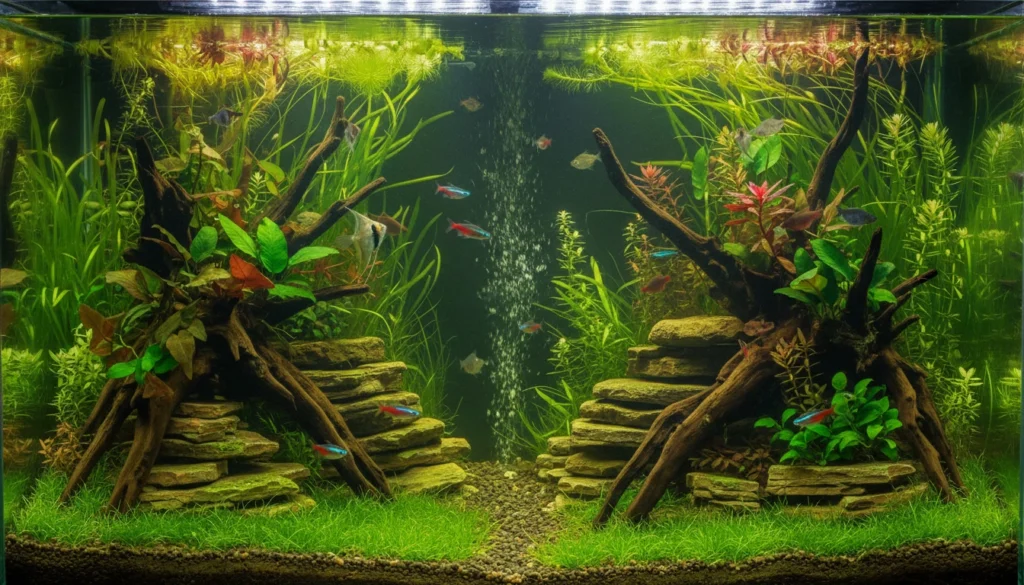
Managing high nitrate levels in a breeding tank necessitates a multifaceted approach. One of the most effective long-term strategies is to increase the presence of live plants. Aquatic plants play a crucial role in the nitrogen cycle; they absorb nitrates as a nutrient source, thereby helping to lower their concentration in the water. Using a combination of fast-growing species can significantly enhance nitrate control, as these plants can uptake nitrogen more efficiently than slower-growing varieties.
Another essential strategy is to reduce feeding. Overfeeding is a common contributor to high nitrate levels, as uneaten food breaks down into organic waste that ultimately converts to nitrate. Adopting a controlled feeding regimen helps minimize waste and supports a healthier environment for breeding fish. This includes adhering to a schedule, providing only the amount of food that can be consumed in a short time, and considering the nutritional value of the feed to maximize its efficacy.
Improving filtration is also vital in the long-term management of nitrates. High-quality filters can remove particulates and organic waste, thereby reducing the nitrogen load on the system. Additionally, incorporating nitrate-absorbing media into the filtration system can directly absorb nitrates, significantly lowering their levels. Regular maintenance of the filter ensures it remains efficient for nitrate reduction.
Lastly, increasing the frequency of water changes is a straightforward yet effective way to control nitrate levels. Regularly removing a portion of the tank water and replacing it with fresh, dechlorinated water can help dilute the nitrates present. As a rule of thumb, small, frequent water changes can be more effective than less frequent, larger changes. By integrating these long-term strategies and consistently monitoring the water parameters, aquarists can effectively manage nitrate levels in their breeding tanks.
Maintaining Low Nitrate Levels
Keeping nitrate levels low in my breeding tanks is a priority that requires diligence and consistency. To achieve this, I have developed a weekly routine that includes regular water changes, careful feeding practices, and diligent testing of water parameters. Each of these components plays a critical role in controlling nitrate concentrations.
Every week, I conduct a substantial water change, typically around 20-30%. This action reduces the overall nitrate levels significantly and helps replenish essential minerals and trace elements in the tank. I ensure that the new water is dechlorinated and matches the temperature and pH of the existing tank water. Aligning these parameters minimizes stress on the fish, allowing for a smoother transition and healthier environment.
Feeding discipline is another crucial aspect of my routine. I aim to avoid overfeeding by providing only what the fish can consume within a few minutes. Excess food decomposes and contributes to nitrate accumulation. Additionally, I prefer high-quality fish foods, which are easier for the fish to digest, leading to less waste production. Incorporating live or frozen food occasionally also stimulates the fish’s natural feeding behaviors, encouraging them to graze rather than gorge.
To maintain a systematic approach, I perform regular nitrate testing using reliable test kits. This routine allows me to monitor nitrate levels, ensuring that they remain within an acceptable range for breeding. If I detect a rise in nitrates, I adjust my water change routine or feeding amounts accordingly. Furthermore, I keep a log of my tank parameters, which helps identify trends over time.
Lastly, I incorporate practical maintenance habits like cleaning the substrate to remove uneaten food and fish waste, which can accumulate and contribute to nitrate spikes. Together, these routines form an effective strategy for maintaining low nitrate levels, thus promoting a healthy breeding environment.
Weekly Nitrate Control Checklist
- ✅ Test nitrate levels
- ✅ Perform 20-30% water change
- ✅ Remove uneaten food
- ✅ Clean substrate
- ✅ Inspect filter performance
Common Mistakes That Cause Nitrate Spikes
Nitrate spikes in a breeding tank can significantly affect the health of the aquatic species being raised. Understanding the common mistakes that aquarists make is essential for prevention and maintaining the water quality effectively. One frequent error is overfeeding, which often goes unnoticed. When excess food remains uneaten, it decomposes and generates ammonia, which bacteria convert into nitrite and then nitrate, leading to elevated levels.
Another prevalent mistake is neglecting routine maintenance. Regular water changes are fundamental in keeping nitrate levels in check. Failure to perform these activities can result in accumulated waste products in the tank. Additionally, not properly cleaning the substrate or filter can exacerbate the problem, as uneaten food and fish waste build up, contributing to nitrate spikes.
Overstocking is yet another reason for increased nitrate levels. Many aquarists underestimate the bioload the amount of waste produced by fish and other inhabitants. A tank that is overstocked will experience more waste than the biological filtration can handle, resulting in higher nitrates. It is crucial to adhere to the recommended stocking levels based on the tank size and the specific needs of the fish being bred.
Finally, using ineffective filtration systems is a common oversight. Not all filters are equipped to handle high bioloads, which can lead to inadequate water filtration. Choosing the wrong type of filter can mean that nitrates accumulate unchecked, posing a risk to breeding fish. Therefore, selecting an appropriate filtration method suited to the specific tank conditions is vital.
By recognizing these mistakes, aquarists can take proactive steps to mitigate nitrate spikes, ensuring a healthier breeding environment for their aquatic species.
Frequently Asked Questions
High nitrate levels can pose significant risks in a breeding tank, particularly for young fry. Generally, it is advised to maintain nitrate concentrations below 20-40 ppm for the best health of fry. Levels exceeding this threshold can hinder their growth and development, making them more susceptible to disease. Particularly high exposure, especially around 80 ppm, can result in increased mortality rates and lower breeding success.
A common concern among aquarists is whether elevated nitrate levels can be lethal to fish. While nitrates are less immediately toxic than ammonia or nitrites, chronic exposure to high levels can lead to severe health consequences. Long-term exposure to nitrates, particularly over 100 ppm, might lead to stress, stunted growth, and lowered immunity in fish. Therefore, monitoring and managing nitrate levels is essential for a thriving aquatic environment.
Nitrate buildup occurs gradually, often exacerbated by overfeeding, inadequate water changes, and insufficient filtration. Typically, a noticeable rise in nitrate levels can happen within a few days following heavy feeding or poor maintenance practices. To prevent a spike in levels, stagger the feeding schedule and implement routine maintenance, such as partial water changes, to keep nitrate concentrations in check.
Live plants play a crucial role in moderating nitrate levels in a breeding tank. They absorb nitrates and other nutrients from the water, helping to reduce overall concentrations. Employing a selection of fast-growing aquatic plants can significantly enhance the effectiveness of your breeding tank’s ecosystem. Consider adding species such as Hornwort or Water Sprite, which are well-known for their ability to thrive in various conditions while absorbing excess nitrates.
At nitrate levels of 40 ppm, it is important to take immediate action, especially in a breeding tank. While some fish can tolerate these levels for short periods, persistent exposure can lead to detrimental effects on both adult fish and any fry in the tank. Engaging in regular water changes and implementing biological filtration will help mitigate the challenges presented by elevated nitrate levels.
Conclusion
Maintaining optimum water quality is vital for the health and breeding success of aquatic species in a breeding tank. High nitrate levels can be detrimental, adversely affecting the well-being of fish and other aquatic organisms. As we have explored, taking drastic measures to lower nitrate levels can lead to instability in the tank environment. Instead, gradual adjustments and consistent monitoring are key strategies that promote a healthy habitat.
Regular testing of nitrate levels using reliable water test kits ensures that you can catch any spikes early. By combining regular water changes, proper tank maintenance, and the introduction of live plants or beneficial bacteria, you achieve a balanced ecosystem that supports not only fish health but encourages reproduction.
Engaging in ongoing monitoring can also reveal patterns in nitrate fluctuations, allowing you to identify specific conditions or actions that may cause changes in water quality. As a result, proactive management becomes your best defense against high nitrate levels.
Personally, I believe that mindful observation of your breeding tank and actively engaging in its maintenance can significantly improve your breeding success and fish health. A stable environment not only supports the biological needs of your aquatic species but fosters a thriving breeding community, yielding positive outcomes for all inhabitants. By prioritizing stability and consistently nurturing your breeding tank, you gain the dual reward of enhanced aquatic life and a fulfilling hobby.