Introduction
The nutritional needs of fry, or juvenile fish, are critical during their early stages of life. One of the most significant factors influencing their growth and overall health is the type of food provided. Live food has gained attention among aquarists as an excellent option for fry due to its natural nutritional content and movement, which can stimulate the hunting instincts and feeding behaviors of young fish. Among various live food sources available, I have found culturing live brine shrimp to be particularly advantageous.
Brine shrimp, known scientifically as Artemia, are small crustaceans that are commonly used as a live food source. They are rich in essential fatty acids and proteins, making them highly suitable for the growth of fry. This beneficial nutritional profile contributes substantially to the optimal development of fry, improving their chances of survival during the critical initial stages. Furthermore, live brine shrimp are easier to digest compared to other food types, which can further enhance nutrient absorption and growth rates.
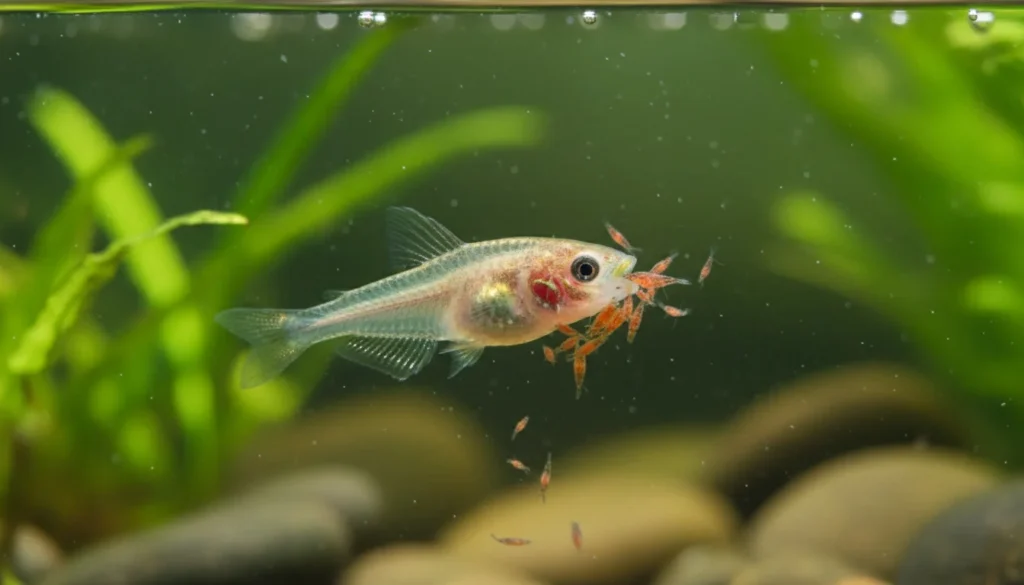
In addition to their nutritional benefits, live brine shrimp have a unique appeal for fry. Their natural movement can entice even the most hesitant feeders, encouraging fry to exhibit more active feeding behavior. This interaction not only aids in their physical development but also promotes their hunting skills, which is crucial for their progression as they mature. In my own experience with culturing live brine shrimp, the fry I have raised on this live food have displayed improved growth rates and a lower incidence of health issues.
In light of these advantages, the subsequent sections of this guide will provide a detailed, step-by-step approach to culturing live brine shrimp at home, which will allow you to harness the benefits of this essential food source for your fry.
What Are Brine Shrimp?
Brine shrimp, belonging to the genus Artemia, are small crustaceans that inhabit salty bodies of water, such as salt lakes and coastal lagoons. These organisms are recognized for their remarkable adaptability to harsh environments, thriving in conditions with high salinity often inhospitable to many other forms of life. Their ability to withstand extreme temperatures and salinity levels allows them to proliferate in environments like the Great Salt Lake in Utah, where they are commonly harvested for aquaculture purposes.
Brine shrimp are characterized by their elongated bodies, which are usually 8 to 12 millimeters in length. They possess a distinct head with large compound eyes, enabling them to navigate their saline habitat effectively. Their mode of locomotion primarily involves the use of their antennae, allowing them to swim freely in search of algae and phytoplankton, which constitute their primary diet.
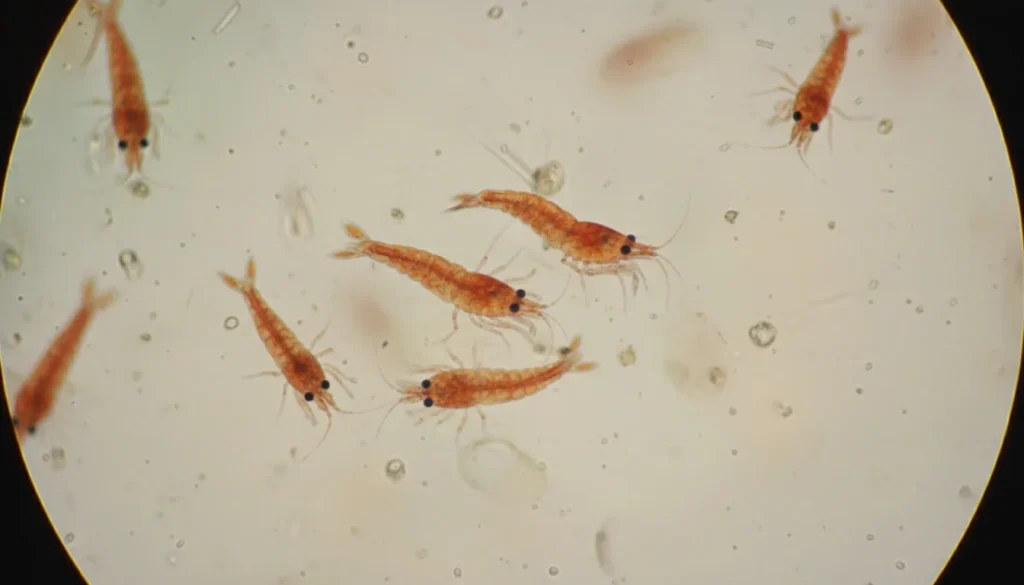
The nutritional value of brine shrimp makes them a popular choice among fish breeders, especially for feeding fry. These tiny crustaceans are rich in essential fatty acids, protein, and various vitamins, making them an ideal food source for young fish. The nutritional composition of brine shrimp supports the healthy growth and development of fry, providing them with the necessary building blocks for their growth. Due to their size and mobility, live brine shrimp are easily consumed by even the smallest fish, contributing to their reputation as a staple food in aquaculture settings.
By cultivating brine shrimp, fish breeders can ensure a fresh and nutritious food supply for their young fish, increasing their chances of survival and promoting overall health. This makes understanding the biological characteristics and habitat of brine shrimp essential for effective aquaculture practices.
Benefits of Feeding Live Brine Shrimp to Fry
Feeding live brine shrimp to fry offers numerous advantages that significantly enhance their growth and overall health. One of the primary benefits of incorporating live brine shrimp into the diet of young fish is the high nutritional value they provide. Brine shrimp are rich in essential fatty acids, proteins, and vitamins that are crucial for the development of fry. These nutrients play a pivotal role in boosting the immune systems of young fish, making them more resilient against diseases and fostering a healthier growth environment.
Furthermore, live brine shrimp encourages natural hunting and foraging behaviors in fry, which is essential for their psychological and physical development. When fry chase and consume live food, they engage in instinctual behaviors that promote active growth and stimulate physical development. In contrast, feeding them exclusively processed foods may not fully support their natural instincts, potentially leading to behavioral issues and slower growth rates.
Another significant benefit of feeding live brine shrimp to fry is the improvement in long-term development. Fry that are nourished with live food are often observed to exhibit quicker growth rates and more vibrant coloration compared to those fed dry or processed alternatives. This enhancement in development ultimately results in stronger, healthier fish that are better suited for both aquaculture and home aquarium settings. Many fish breeders and enthusiasts have noticed improved survival rates in fry that were raised on live brine shrimp, emphasizing the importance of this dietary choice.
In summary, the incorporation of live brine shrimp into the diets of fry not only provides essential nutrients but also encourages healthy growth, improves immune function, supports natural behaviors, and leads to better long-term outcomes for the fish. The benefits of this practice make it a valuable addition to any fish breeding or rearing strategy.
| Food Type | Protein Level | Best For | Ease of Culture |
|---|---|---|---|
| Brine Shrimp | High | Most Fry | Easy |
| Microworms | Medium | Small Fry | Very Easy |
| Dry Fry Food | Moderate | All Fry | Very Easy |
Equipment Needed to Culture Brine Shrimp
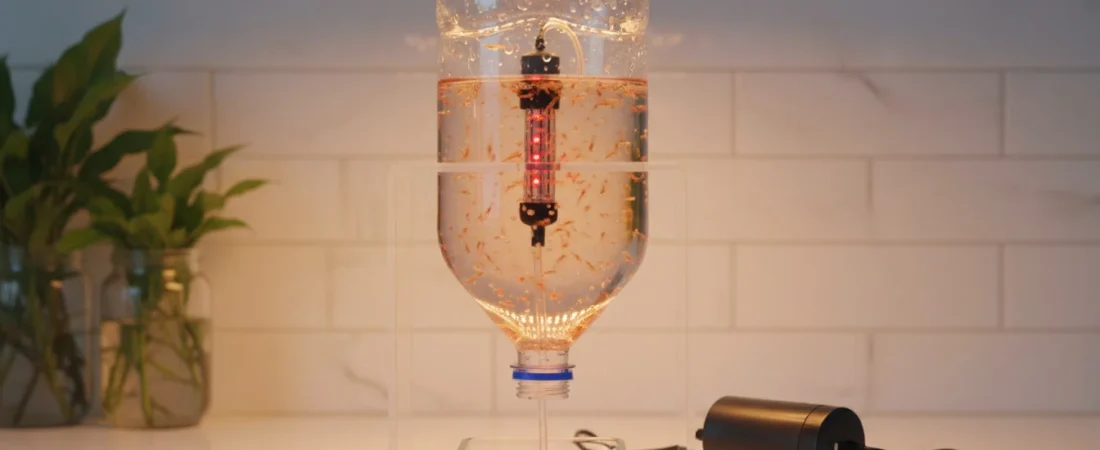
To successfully culture live brine shrimp, a few essential pieces of equipment are required. First and foremost, you will need a suitable container for hatching the brine shrimp eggs. A standard aquarium or a simple plastic tub can work effectively. The size of the container will depend on the volume of shrimp you wish to cultivate, but a 10 to 20-gallon tank is often ideal for beginners, allowing ample space for the shrimp to grow and thrive.
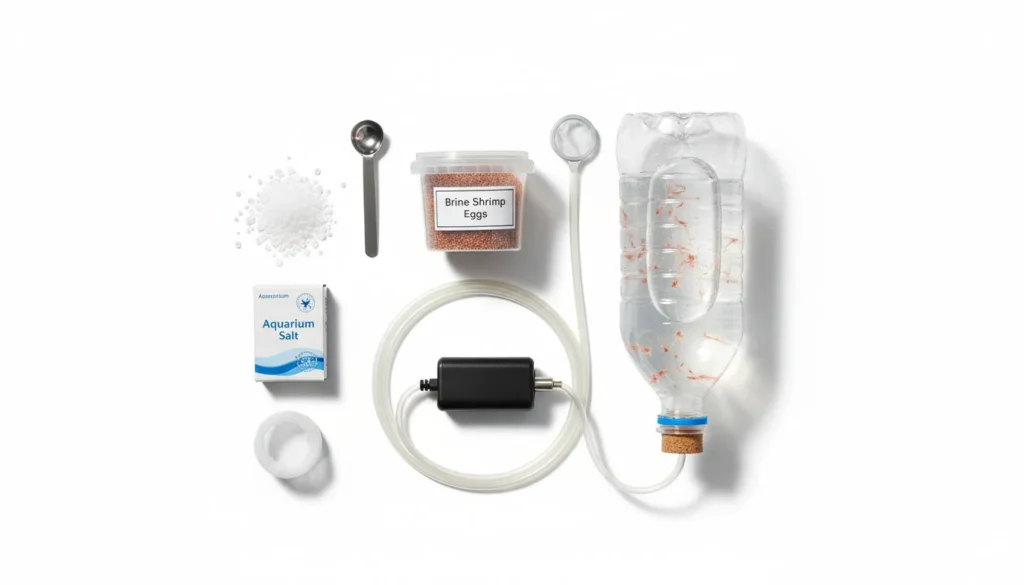
Aeration is another critical component in the cultivation process. Brine shrimp need adequate oxygen to hatch and grow; therefore, an aquarium air pump along with air stones is necessary to provide a consistent flow of bubbles throughout the culture. This not only oxygenates the water but also keeps the eggs suspended, facilitating even hatching. In my experience, using a medium-sized air pump with properly sized air stones has yielded excellent results.
Temperature control can also play a vital role in the success of your brine shrimp culture. A small aquarium heater can help maintain a consistent temperature, ideally around 78 to 82 degrees Fahrenheit, which promotes faster hatching and development. Many aquarists I know prefer using submersible heaters due to their efficiency and ease of use.
Optional equipment includes a light source to assist with the growth of any beneficial algae, which can serve as food for newly hatched shrimp. Even a simple desk lamp can suffice. Additionally, if you’re interested in elevating your setup, consider platforms that can help optimize water movement or filtration systems that ensure water quality remains high.
By integrating these basic and some optional pieces of equipment into your brine shrimp culture, you will create a conducive environment that supports growth and development, allowing you to successfully sustain your fry.
Ideal Water Parameters for Hatching Brine Shrimp
Successfully hatching brine shrimp, scientifically known as Artemia, relies heavily on maintaining optimal water parameters. These parameters influence the viability of the eggs and the overall health of the newly hatched shrimp, making them crucial for any aquarist looking to culture live brine shrimp efficiently.
The ideal temperature for hatching brine shrimp is generally between 25°C to 30°C (77°F to 86°F). Higher temperatures within this range promote faster hatching, reducing the time it takes for the shrimp to emerge. However, temperatures exceeding 30°C can lead to lower hatch rates, so careful monitoring is essential.
Salinity is another pivotal factor; brine shrimp thrive in saline environments. The optimal salinity level for hatching is between 30 to 35 parts per thousand (ppt). Maintaining this range is fundamental, as too low salinity can result in poor hatching rates and too high salinity can cause stress to the embryos. Regular testing with a hydrometer will ensure that the salinity remains within the desired range.
Equally important is the pH level of the water, which should ideally be between 7.5 and 8.5. This slight alkalinity supports the metabolic processes of the brine shrimp and encourages a healthy environment for their development. It is advisable to use commercial pH test kits to monitor this parameter closely.
Lastly, oxygen levels must be maintained adequately, with a dissolved oxygen concentration of at least 5 mg/L being necessary for optimal development. Aeration systems, such as air stones or pumps, can help maintain sufficient oxygen levels in the water. By adhering to these parameters—temperature, salinity, pH, and oxygen you will create an ideal habitat for successfully hatching brine shrimp.
| Parameter | Ideal Range |
|---|---|
| Temperature | 25–30°C |
| Salinity | 30–35 ppt |
| pH | 7.5–8.5 |
| Hatch Time | 18–36 hours |
Step-by-Step Guide to Hatching Brine Shrimp
Hatching brine shrimp, specifically Artemia, can be a productive endeavor for those seeking to provide high-quality nutrition for their fry. The process requires careful attention to specific parameters to ensure successful hatching. Here is a straightforward guide to help you navigate through this process.
First, you must select a suitable container, often referred to as a hatching tank. A 5-gallon aquarium or a smaller tank can suffice for home use. Clean it thoroughly to prevent contamination. Next, fill the tank with saltwater, ideally with a salinity of around 30 ppt, which can be achieved using aquarium salt mixed with dechlorinated water.
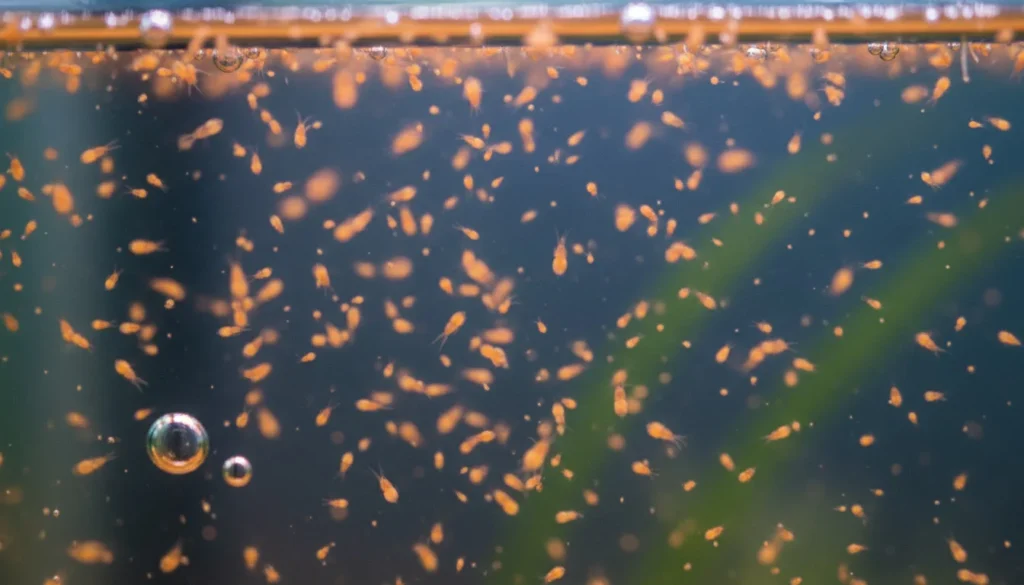
Once the tank is prepared, it’s time to introduce the brine shrimp cysts. You can purchase these from pet stores or online retailers. A good starting point is to use about one tablespoon of cysts for every two gallons of water. This ensures that there are enough eggs to hatch without overcrowding the space available for the nauplii.
It is crucial to aerate the water to keep the cysts suspended and promote oxygenation. An aquarium air pump coupled with an air stone can provide necessary agitation. Additionally, maintain appropriate lighting; a light source for 12-16 hours a day will enhance hatching success. The water temperature should remain between 24-28°C (75-82°F) for optimal results.
After approximately 24-48 hours, you should see the eggs hatching into nauplii. The journey from cyst to hatchling depends on conditions; hence, monitor water quality closely. Once the nauplii are free-swimming, they can be harvested using a fine mesh net.
Properly executed, this process warrants a steady supply of live brine shrimp, an ideal food source for feeding hungry fry. Maintain the hatching tank diligently, and the result will be thriving young fish enriched with vital nutrients.
How I Harvest Brine Shrimp
Harvesting live brine shrimp requires a deliberate and systematic approach to maximize yield while minimizing waste. My typical workflow starts with assessing the water conditions in the culture tank, which should have stable salinity and temperature levels. I usually wait until the brine shrimp reach an optimal size, usually around 10-12 days after hatching, to ensure they are mature and plentiful for harvesting.
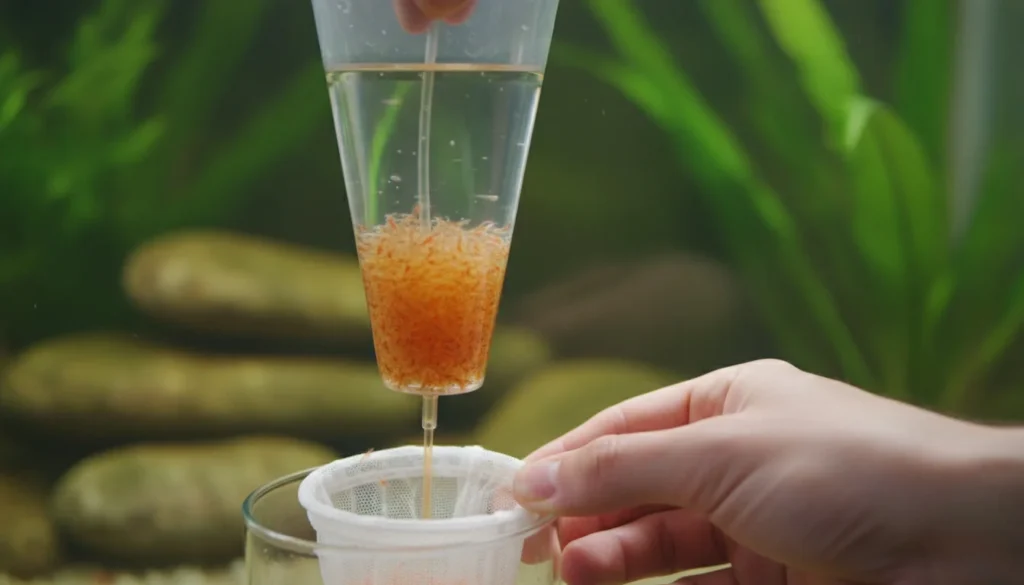
Timing is crucial during the harvesting process. I prefer to harvest in the early morning hours when the brine shrimp are most active and likely to be found in the upper water column. Using a fine mesh net is essential; it allows for efficient collection of these tiny crustaceans while filtering out any debris. To minimize stress on the brine shrimp and reduce mortality rates, I work gently when scooping them from the tank. It is also advisable to use a net with a mesh size that matches the size of the shrimp to avoid losing them through the net’s openings.
Once I have collected a sufficient quantity, I transfer the harvested brine shrimp into a separate container filled with clean, aerated water that mimics their habitat. This step is important as it helps maintain their health and viability. After transferring, I monitor the shrimp for any signs of stress or health issues. Post-harvest, I typically rinse the brine shrimp with fresh water to remove any residual waste or contaminants that may have accumulated in the culture tank.
By adhering to these techniques, I have been able to harvest brine shrimp effectively, ensuring a high yield while minimizing waste. Each harvesting session aids in fine-tuning my workflow, contributing to better overall management of my brine shrimp culture.
Feeding Schedule for Fry
Establishing a proper feeding schedule for fry is pivotal in ensuring their healthy development, particularly when using live brine shrimp as a primary food source. Ideally, fry should be fed multiple times throughout the day, typically three to five times, depending on their specific needs and size. On average, these small fish benefit from more frequent feedings because their metabolic rates are high, necessitating regular intake of nutrients to promote growth.
When starting out, it is advisable to feed the fry small amounts of live brine shrimp, approximately the size of their mouth, to prevent overfeeding, which can lead to water contamination. Observing how much of the food the fry consume within a few minutes will help determine the appropriate portion size. It is essential to provide just enough live brine shrimp that the fry are able to eat and finish in a short time frame. Any leftover food should be removed promptly to maintain water quality.
Monitoring the growth of the fry is also crucial during this feeding period. As the fry grow, their dietary requirements will change; therefore, adjusting the amount of live brine shrimp offered is necessary. Fry growth can be observed by assessing their size, activity levels, and overall health. Using a consistent feeding schedule not only aids in maintaining their growth but also helps in establishing a routine, making it easier to feed them consistently.
In conclusion, the careful consideration of feeding schedules, portion sizes, and close monitoring of fry growth will significantly contribute to the successful cultivation of fry. By adhering to these guidelines, aquarists can foster a thriving environment that nurtures the fry’s development and ensures their long-term health.
Common Problems I Faced and How I Fixed Them
Culturing live brine shrimp can provide vital nutrition for your fry, but it is not without its challenges. Throughout my experience, I encountered several issues that could hinder the success of a brine shrimp culture. Below, I outline some of the common problems, along with the effective solutions that helped me navigate these challenges.
1. Low Hatching Rates: One of the most frustrating issues was consistently low hatch rates. I discovered that water salinity plays a crucial role in the hatching process. Initially, I was using a salinity level that was too low. After researching, I adjusted the salinity to around 30 ppt, which significantly improved hatching success.
2. Contamination: Another frequent problem I encountered was contamination from other microorganisms. This not only affected the health of my brine shrimp but also made it difficult for them to thrive. To tackle this, I made sure to sterilize all equipment and use only dechlorinated water. Additionally, carefully monitoring the water quality helped reduce the chances of contamination.
3. Overcrowding: As the brine shrimp population grew, I faced issues related to overcrowding, which led to stunted growth. To resolve this, I implemented a management strategy that included conducting regular harvests to maintain an optimal population density. Regular water changes also helped improve the conditions for growth.
4. Incorrect Temperature: Maintaining an optimal temperature is essential for the development and growth of brine shrimp. I found that temperatures around 78-80°F provided the best results. Investing in a reliable heater made it easier to maintain this crucial temperature range.
By acknowledging these common problems and implementing targeted strategies, my brine shrimp cultures have become more productive and efficient over time. Through persistence and a willingness to learn from my mistakes, I have significantly improved my culturing process, paving the way for healthier fry.
| Problem | Cause | Solution |
|---|---|---|
| Low Hatch Rate | Old eggs | Use fresh cysts |
| Bad Smell | Poor aeration | Increase airflow |
| Cloudy Water | Too many eggs | Reduce quantity |
| Slow Growth | Low temperature | Stabilize temperature |
Can You Culture Brine Shrimp Long-Term?
Culturing brine shrimp over the long term is a feasible and sustainable practice that can greatly benefit aquarists and aquaculture enthusiasts. Brine shrimp, known scientifically as Artemia, have a robust life cycle and can be easily maintained in a controlled environment. However, successful long-term culturing requires careful attention to several factors to ensure a consistent and healthy supply.
The most critical aspect of culturing brine shrimp long-term is maintaining optimal water conditions. This includes monitoring salinity levels, which should typically range between 25 and 35 ppt, depending on the species. Regular water changes are necessary to remove waste and prevent the build-up of harmful substances. Additionally, good aeration is vital to circulate water, keeping the brine shrimp suspended and ensuring they receive adequate oxygen.
Another crucial factor is temperature, which should ideally remain between 20°C and 28°C (68°F to 82°F). Elevated temperatures can accelerate growth and reproduction rates, but excessively high conditions may lead to stress and mortality. Incorporating a light cycle with approximately 12 to 16 hours of light daily can boost the growth of phytoplankton, an essential food source for brine shrimp.
Feeding your brine shrimp properly is imperative as well; using high-quality algae or specially formulated feeds helps ensure their health. Maintaining a diverse genetic pool is also beneficial, as it promotes a more resilient culture. Rotating different batches of brine shrimp and occasionally introducing new individuals can help maintain vigor.
In conclusion, with the right management techniques including optimal water conditions, temperature control, and proper nutrition, it is entirely possible to culture brine shrimp long-term. This sustainable practice can ensure a continuous supply of live feed for your fry, maximizing their growth and improving overall survival rates in the aquarium or aquatic farming environment.
Brine Shrimp vs. Other Live Foods
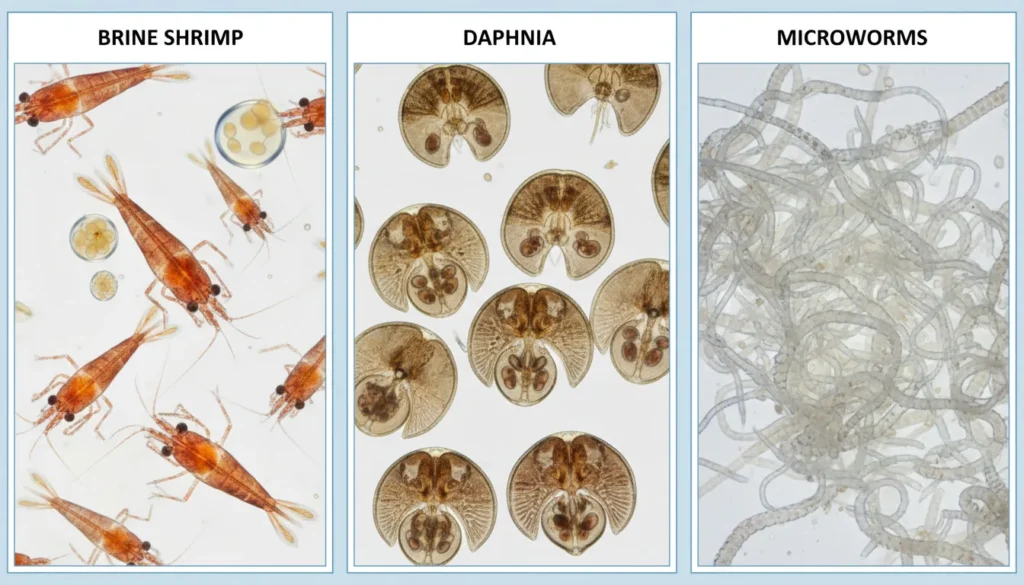
When considering suitable live food options for aquarium fry, brine shrimp emerges as a prominent contender. However, it is essential to weigh its benefits against other common live foods, such as daphnia, mosquito larvae, and grindal worms. Each option has unique characteristics that can affect the growth, health, and survival rate of your fry.
Brine shrimp are particularly favored for their high protein content and nutritional value, which is crucial for young fish. They are relatively easy to cultivate and can be harvested at various stages, from newly hatched nauplii to larger adults. This versatility allows aquarists to provide appropriately sized food for fry as they grow. Additionally, the transparent nature of brine shrimp helps fry in their natural hunting behavior, stimulating instinctive predatory actions.
Conversely, daphnia, often called water fleas, are another excellent source of live food. They are rich in vitamins and can contribute to the fry’s overall health. Daphnia also provide a natural food source that can help teach fry to forage, much like they would in the wild. However, cultivating daphnia can be more challenging than brine shrimp, requiring careful water quality management and specific growth conditions.
Mosquito larvae and grindal worms also offer unique benefits. Mosquito larvae are highly nutritious and readily available in certain environments, but harvesting them can sometimes introduce pollutants. Grindal worms, on the other hand, are less messy when compared to other options. They are easy to culture and provide a consistent size for feeding but have lower protein content than brine shrimp.
In conclusion, when deciding between brine shrimp and other live foods, it’s critical to consider factors such as nutritional content, ease of cultivation, and the specific needs of your fry. Each option has its strengths and weaknesses, making it essential for aquarists to choose wisely based on their goals and circumstances.
Final Thoughts
In summary, culturing live brine shrimp can be a rewarding and beneficial practice for individuals engaged in fish breeding. Throughout this guide, we have explored the key steps necessary to successfully culture these nutritious organisms, from selecting the right equipment and materials to maintaining optimal conditions for growth. The importance of live brine shrimp for fry development cannot be overstated, as they provide essential nutrients that contribute to the health and vitality of young fish.
For beginners, the journey into culturing live brine shrimp may seem daunting at first. However, with practice and attention to detail, the process becomes increasingly manageable. Experimentation is encouraged; it is through trial and error that one can discover techniques and adjustments that yield the best results in culturing live brine shrimp. Each batch you cultivate presents an opportunity to learn and refine your approach, enhancing your fish breeding experience.
My enthusiasm for this practice stems from the success I have encountered, coupled with the joy of watching fry thrive on a diet of live brine shrimp. I firmly believe that incorporating live food into the diet of your fish can lead to healthier, more robust specimens. The satisfaction derived from cultivating live brine shrimp extends beyond just the practical outcomes; it fosters a deeper connection to the breeding process and promotes a greater appreciation of aquatic life.
In conclusion, I encourage novice fish breeders to take the plunge into culturing live brine shrimp. The benefits are substantial, and the skills you develop will serve you well in your endeavors. So gather your materials, set up your culture, and embark on this exciting journey in the world of fish breeding.
Frequently Asked Questions
1. What is the best way to start culturing brine shrimp?
To begin culturing brine shrimp successfully, it is advisable to set up a dedicated aquarium or container with clean, saltwater at a salinity of around 30 parts per thousand (PPT). It’s essential to use an aquarium air pump to ensure adequate oxygenation, which supports rapid growth. Seed your culture with high-quality brine shrimp eggs, and maintain a consistent temperature around 25-28°C (77-82°F) for optimal hatching.
2. How can I ensure that my fry are getting enough nutrition?
Once your brine shrimp hatch, they become a rich food source for your fry. It is important to feed fry with newly hatched nauplii as they are highly nutritious. To enhance the nutritional content, consider enriching your brine shrimp with spirulina or other high-quality food before offering them to the fry. Offering nauplii multiple times a day will help meet their dietary needs.
3. What are common issues when culturing brine shrimp?
Beginners may experience challenges such as low hatch rates or poor water quality. Ensure you are using fresh, clean water and that salinity levels are correctly maintained. Overcrowding in the culture can lead to inadequate oxygen levels, so keeping a suitable population density is critical. Regular water changes can also help to maintain water quality.
4. How long can brine shrimp live without food?
Brine shrimp can survive without food for several days, particularly in their cyst or encysted stage. However, once hatched, they should ideally be fed continuously. A lack of food for prolonged periods can lead to stunted growth and reduced viability, particularly for fry relying on them as their primary food source.
5. Can I culture brine shrimp in freshwater?
Brine shrimp are specifically adapted to thrive in saltwater environments; thus, they cannot be cultured in freshwater. If you want to clone them in a more freshwater-oriented setup, you will need to replicate a saline environment. Utilizing marine salt mixtures can enable you to achieve the necessary salinity that allows the brine shrimp to live and reproduce effectively.