Introduction
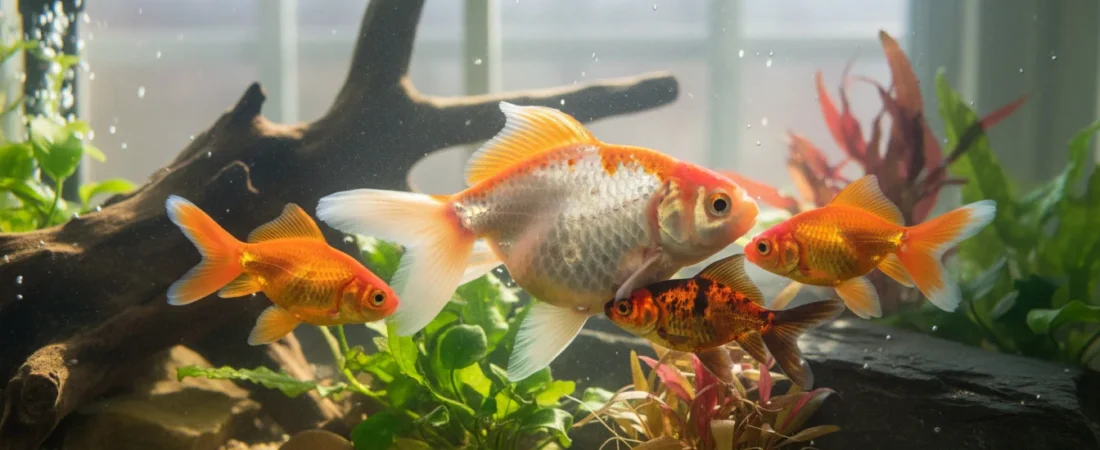
The world of goldfish breeding is a captivating endeavor that invites both enthusiasts and novices to explore the vibrant realm of aquatic life. Goldfish are not only popular pets but also fascinating creatures that come in a variety of colors, shapes, and sizes. The joy and fulfillment derived from successfully breeding these enchanting fish cannot be overstated. Many individuals find themselves drawn to goldfish for their visual appeal and relatively easy care requirements, making them a suitable choice for beginners who wish to delve into the art of breeding.
With a plethora of varieties available, including the stunning Oranda, the elegant Ryukin, and the classic Comet, the breeding process offers a unique opportunity to witness the development of variations and genes in real time. This endeavor is not merely about reproduction; it also encompasses the responsibility of ensuring the health of both the parent goldfish and their offspring. Understanding the basics of goldfish biology, mating behaviors, and ideal environmental conditions is crucial for aspiring breeders.
In this comprehensive manual, we aim to provide a structured guide that empowers you with the knowledge required for successful goldfish breeding. Whether you are a hobbyist seeking to expand your aquatic family or an individual captivated by the potential to create new goldfish strains, this guide will address the essentials required for a rewarding breeding experience. From setting up the breeding tank to nurturing the fry, each section is designed to enhance your understanding and skills in the art of goldfish breeding, ensuring that you embark on this journey with confidence and excitement.
Essential Items for Breeding Goldfish
Before embarking on the rewarding journey of breeding goldfish, it is essential to assemble specific equipment and supplies to ensure a healthy breeding environment. Below is a checklist that outlines the vital items necessary for successful breeding.
| Item | Explanation |
|---|---|
| Breeding Tank | Minimum 20 gallons |
| Water Test Kit | Maintain stable water quality |
| Sponge Filter | Safe for eggs and fry |
| Spawning Mop | Egg laying surface |
| Fry Tank | Separate fry rearing |
In addition to these items, ensure that you have food specifically formulated for breeding goldfish and a separate rearing tank for the fry once they hatch. A strong commitment to maintaining ideal water quality and proper care of the goldfish will significantly increase the likelihood of a successful breeding outcome. By being well-prepared and informed, you can embark on this fulfilling endeavor with confidence.
Understanding Goldfish Breeding Behavior
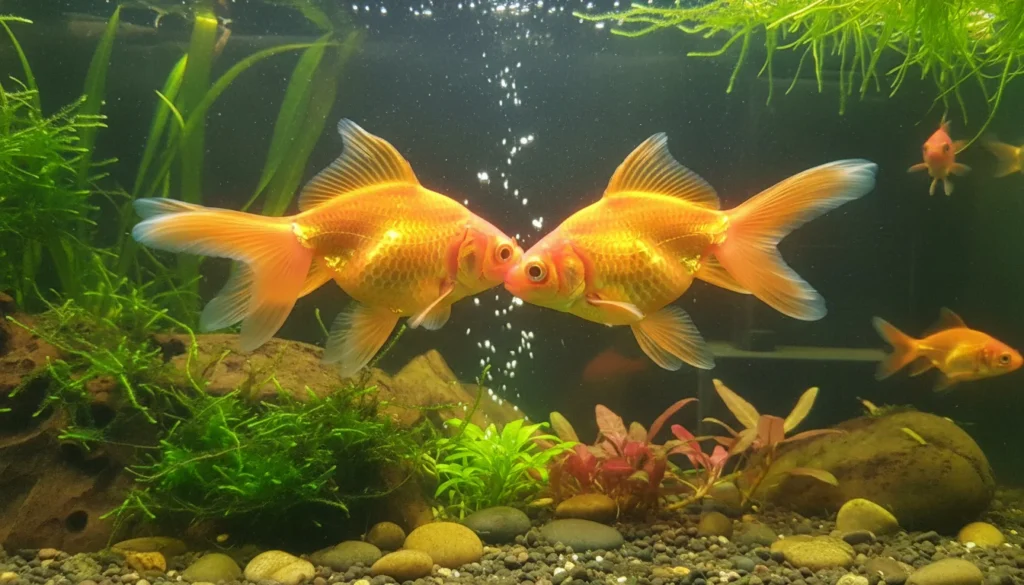
Goldfish breeding behavior is a fascinating aspect of their life cycle that provides critical insights into successful breeding practices. Observing these behaviors can help aquarists prepare adequately for the breeding process. The first indicator of impending breeding is the observable behavioral changes in goldfish. Males often become more aggressive during this period as they engage in courtship rituals. They will chase the females around the tank, nudging them and leading them towards areas of spawning activity.
Environmental factors play a significant role in triggering these breeding behaviors. Goldfish typically breed in warmer water, and a temperature range of 68°F to 74°F (20°C to 23°C) is ideal for spawning. Therefore, ensuring the water temperature reaches this threshold can stimulate breeding activity. Additionally, the photoperiod, or the light cycle, can influence goldfish breeding. Extended daylight hours, mimicking the summer months, often encourage goldfish to enter breeding mode.
Once conditions are favorable, the male goldfish will begin to display more pronounced courtship rituals. This behavior may involve vigorous swimming and flaring of their fins, as they seek to attract females. It is also common to witness males chasing females vigorously, a behavior that is part of their courtship. In response, females will show readiness by appearing rounder, indicating they have developed eggs. By understanding these breeding behaviors and signs, aquarists are better prepared for the breeding process, ensuring that both male and female goldfish are set up in optimal conditions for successful spawning.
Setting Up a Goldfish Breeding Tank
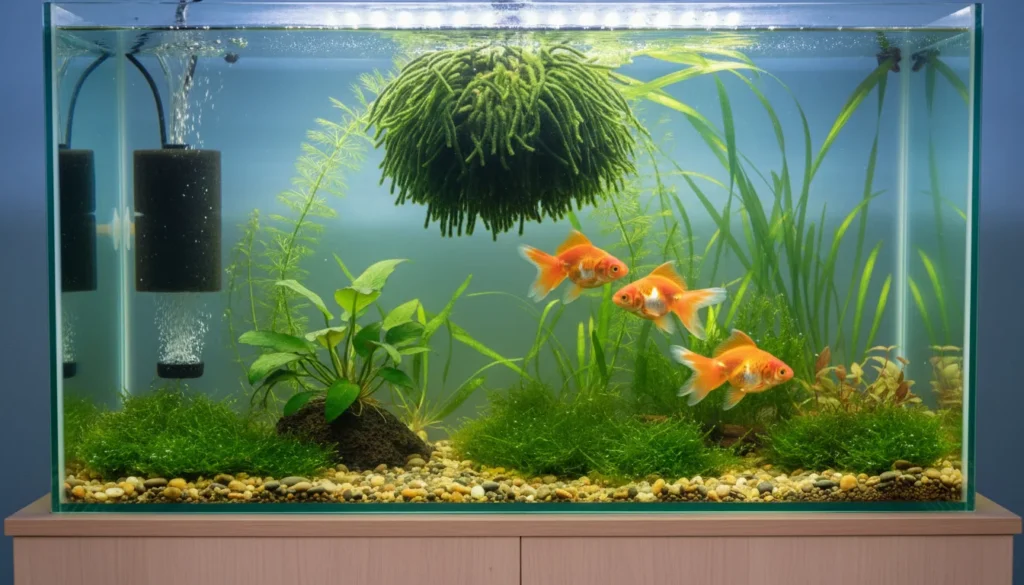
Creating an optimal environment for breeding goldfish is critical for successful reproduction. A well-maintained breeding tank not only facilitates breeding but also ensures the health and welfare of both the parents and their offspring. Firstly, the recommended size for a breeding tank is at least 20 gallons. A larger tank allows for more space for the fish and significantly reduces stress levels, which is crucial for breeding success.
Filtration is another essential factor to consider. A quality filtration system designed for a tank of this size is necessary to maintain clean and healthy water while minimizing stress on the fish. While a hang-on-back filter or a sponge filter may suffice, it is important to ensure that the water flow is gentle enough not to disrupt the breeding pair or harm the fry.
Water parameters play a pivotal role in goldfish breeding. Maintaining optimal water quality is critical to encourage breeding behaviors. Below is a table of specific water parameters that should be monitored:
| Parameter | Recommended |
|---|---|
| Temperature | 20–23°C |
| pH | 7.0–8.0 |
| Hardness | 5–19 dH |
In addition to proper water conditions, selecting suitable tank mates is essential. While breeding, it is advisable to house the goldfish alone in the breeding tank or introduce plants that exhibit spawning behaviors. Suitable aquatic plants could include Java moss and spawning mops, which offer shelter for the eggs and newly hatched fry. These plants provide both a breeding surface and a natural habitat for the young fish post-hatching. Creating a nurturing environment is vital to ensure both the parents and fries thrive during this delicate period.
Conditioning Goldfish for Breeding
Preparing goldfish for breeding, also referred to as conditioning, is a crucial step to ensure a successful spawning event. The process involves meeting specific environmental and dietary requirements that stimulate the goldfish’s reproductive instincts. Typically, conditioning takes place over several weeks, allowing the fish to reach optimal health and readiness. One of the essential aspects of this preparation is the fish’s diet.
A well-rounded diet rich in proteins, fats, and vitamins enhances the health of goldfish and encourages breeding behavior. The following feeding table outlines recommended food items and feeding schedules:
| Food | Frequency |
|---|---|
| Pellets | Daily |
| Live food | 3x weekly |
| Vegetables | Weekly |
| Spirulina | 2x weekly |
During the conditioning phase, it is important to monitor the water quality within the aquarium or breeding container. Maintaining stable water conditions temperature, pH, and ammonia levels—ensures the comfort and health of the goldfish. Ideal conditions for breeding goldfish usually involve temperatures between 68°F to 75°F (20°C to 24°C) and a pH level ranging from 6.5 to 7.5.
In addition to nutrition and water quality, it is essential to provide hiding spaces and areas for the goldfish to spawn. Items such as spawning mops or fine-leaved plants serve as ideal sites for the deposition of eggs. Observing changes in the behavior of the goldfish can be indicative of their readiness for breeding, with males often displaying increased activity and vibrant colors. Conditioning is key to a successful goldfish breeding experience, ensuring both the health of the fish and the likelihood of spawning success.
Step-by-Step Goldfish Breeding Process
The process of breeding goldfish can be exciting and rewarding, requiring careful planning and attention to detail. Below is a comprehensive, step-by-step guide that outlines how to successfully breed your goldfish.
Step 1: Selection of Breeding Pair
Choose a healthy breeding pair of goldfish, ideally a male and a female that display vibrant colors and active behavior. It is recommended to be aware of their age, which should ideally be over one year, as this increases the chances of successful breeding.
Step 2: Preparing the Breeding Environment
Set up a separate breeding tank if possible. This tank should replicate the ideal environment for breeding, including appropriate water temperature (around 68-74°F) and adding live plants or spawning mops to provide a secure area for eggs. Ensure that the tank is cycled for at least a month prior to introducing the breeding pair.
Step 3: Conditioning the Fish
Feed the goldfish a high-quality diet rich in protein, such as brine shrimp and daphnia, over the course of a week. This conditioning is crucial as it prepares them for spawning, increasing egg production and ensuring a better overall breeding outcome.
| Stage | Timeline |
|---|---|
| Spawning | Day 1 |
| Egg incubation | 4–7 days |
| Fry swimming | Day 5–8 |
| Growth | Week 2+ |
Step 4: Monitoring Spawning Behavior
Once the goldfish are conditioned, closely observe their behavior for signs of spawning. The male will chase the female, nudging her sides to encourage the release of eggs. This process usually occurs during the morning hours.
Step 5: Collecting Eggs
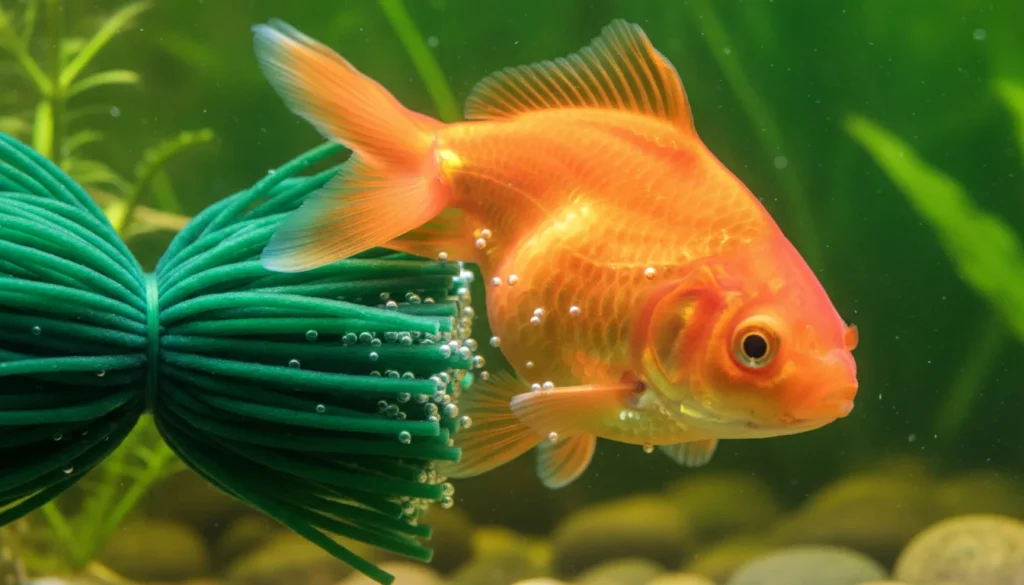
After spawning, the female will lay eggs on the plants or spawning mops. It is vital to remove the breeding pair immediately after spawning to prevent them from consuming their eggs.
Step 6: Incubation of Eggs
Allow the eggs to incubate in the breeding tank for about 4 to 7 days. Maintain optimal water conditions, and remove any non-fertilized eggs to prevent mold.
Step 7: Raising the Fry
Once the fry hatch, provide them with finely crushed food or specialty fry food. Over the next few weeks, monitor the growth and health of the fry, ensuring they are well-fed and kept in a clean environment. Gradually acclimatize them to larger food particles as they grow.
By following these steps methodically, you can ensure a successful goldfish breeding experience. Each phase has its unique timeline and requirements, which should be adhered to for optimal results.
Caring for Goldfish Eggs
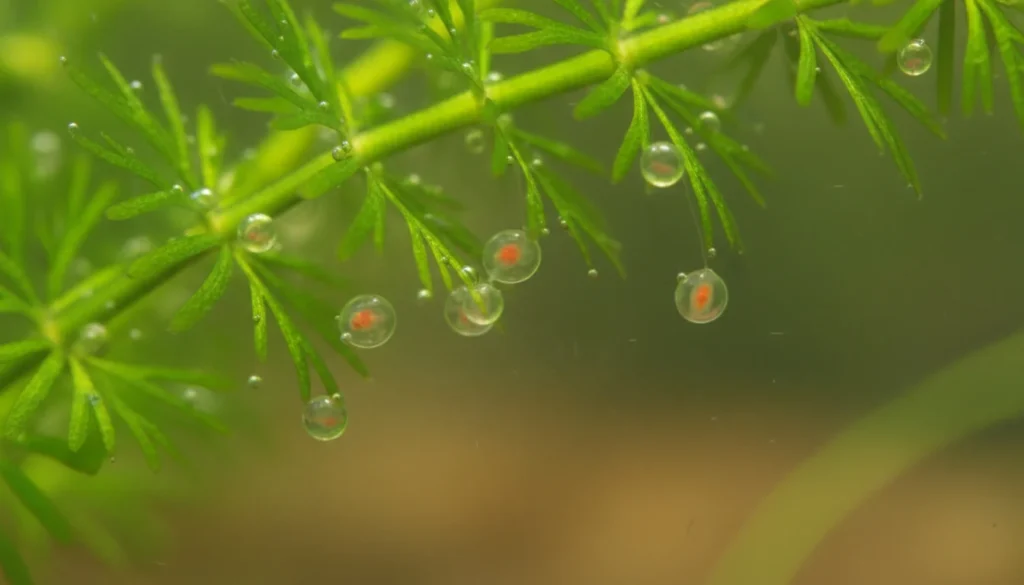
Once goldfish have completed the spawning process and laid their eggs, the subsequent care of these eggs is critical for ensuring successful hatching. The first step in caring for goldfish eggs is to maintain optimal tank conditions. The water temperature should be kept between 68°F to 74°F (20°C to 23°C), as this range promotes faster development. It is important to ensure that the water quality is excellent, which means checking for ammonia, nitrite, and nitrate levels, and performing regular water changes to keep the environment safe for the developing embryos.
Another major concern for goldfish eggs is the risk of egg fungus, which can occur if conditions are too stagnant or if there is organic debris present in the tank. To mitigate this risk, it is advisable to use an air stone to gently aerate the water without creating strong currents. Additionally, it is crucial to remove any unfertilized eggs promptly, as these can contribute to fungal growth. By taking these preventative measures, breeders can significantly increase the survival rate of the eggs.
| Age | Food |
|---|---|
| Day 1–7 | Infusoria |
| Day 8–14 | Powder food |
| Day 15–30 | Crushed flakes |
| 1 month+ | Small pellets |
Monitoring the development of goldfish eggs is equally important. Generally, goldfish eggs will hatch within 4 to 7 days, depending on water temperature and other conditions. During this time, regular observation is necessary to check for any signs of distress among the eggs. Clear, healthy eggs will appear translucent, while unhealthy ones may turn white or fuzzy due to fungus. Breeders should use a magnifying glass if needed to examine the eggs closely.
Proper care for goldfish eggs involves creating an environment that mimics their natural habitat, taking preventive measures against fungal infections, and closely monitoring the eggs’ development. By following these guidelines, new breeders can increase their chances of raising healthy fry successfully.
Raising Goldfish Fry Successfully
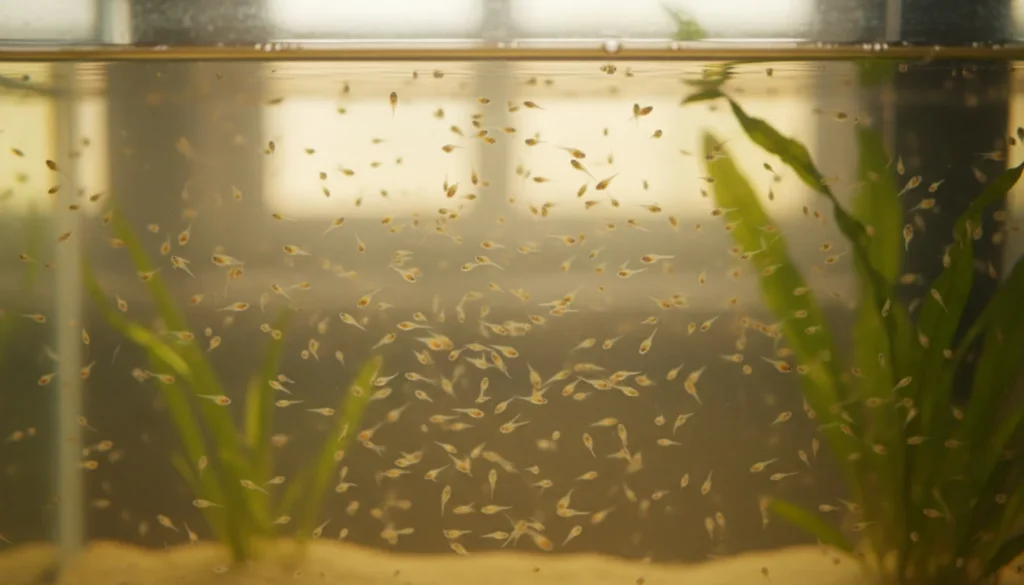
Raising goldfish fry is a critical phase in the breeding process that requires careful attention and dedication. Starting from the moment the eggs hatch, the new fry are incredibly vulnerable and demand specific nurturing to thrive. It’s crucial to maintain a suitable environment that encompasses optimal water parameters, temperature, and a safe habitat away from adult goldfish. Using a separate nursery tank is advisable to prevent predation and overcrowding, ensuring the fry have adequate space to grow.
In terms of feeding, the goldfish fry require tiny, specialized food to support their rapid growth and development. At the outset, newly hatched fry can feed on infusoria, which are microscopic organisms found in aquariums. As they grow, it is recommended to transition to powdered fry foods or finely crushed flakes designed for goldfish. This gradual shift is vital for their health, as larger food particles can be harmful to their small mouths.
Consider the following fry feeding schedule:
- Days 1-7: Feed 3-4 times daily with infusoria or commercial fry food.
- Days 8-14: Increase feeding frequency to 4-5 times daily, introducing powdered food.
- Days 15-30: Continue feeding 4-5 times daily, gradually mixing in small flakes as they grow.
- Beyond Day 30: Begin reducing feedings to 2-3 times daily, offering larger flakes as the fry mature.
| Issue | Explanation | Solution |
|---|---|---|
| Poor water quality | Ammonia spikes and unstable parameters affect fry survival | Perform small daily water changes |
| Overfeeding | Excess food pollutes water quickly | Feed small amounts multiple times daily |
| Weak fry | Genetic factors or improper conditioning | Select healthy breeding pairs |
| Low oxygen | Insufficient aeration impacts development | Use sponge filter and gentle air stone |
| Temperature fluctuation | Rapid changes slow growth and cause stress | Maintain stable temperature |
Maintaining water quality is equally essential; regular water changes and monitoring for ammonia or nitrite spikes can help prevent disease. It is advisable to ensure the nursery tank is well-aerated and equipped with a gentle filter to support the fry’s growth. Observing their behavior can also provide insights into their health; active and curious fry are typically a positive sign. With attentive care and proper feeding, goldfish fry can grow into strong and healthy adult fish.
Common Goldfish Breeding Problems
Breeding goldfish can be a rewarding endeavor; however, several challenges may arise during the process that can inhibit success. Among the most prevalent issues are those related to egg fertilization, fry mortality, and environmental conditions. Understanding these problems will better equip breeders to handle them effectively.
One common problem faced by goldfish breeders is low fertilization ratios of eggs. This can occur if the male fish are either insufficient in number or not in optimal condition for breeding. Poor water quality, which includes high ammonia or nitrite levels, can also affect the health of both the spawning goldfish and the resultant eggs. Regularly testing water parameters and ensuring that they fall within the recommended range is crucial for encouraging a successful breeding environment.
Another prevalent issue is the high mortality rate of fry. Newly hatched goldfish fry are incredibly delicate and require very specific conditions to thrive. Common causes of fry death include improper feeding, infestations, or exposure to toxic substances. Ensuring a clean environment with appropriate food sources, such as infusoria for very young fry, can help to significantly increase survival rates.
Below is a troubleshooting table summarizing these common problems, which can help breeders quickly identify and rectify issues:
- Low Egg Fertilization: Ensure adequate male presence and monitor water quality.
- Fry Mortality: Maintain clean tanks, appropriate feeding schedules, and reduce exposure to pathogens.
- Environmental Issues: Regularly monitor parameters such as pH, temperature, and nitrate levels to prevent stress on breeding goldfish.
In conclusion, being proactive in recognizing and addressing these common breeding problems is key to achieving a successful outcome when breeding goldfish. By maintaining optimal conditions and being vigilant about the health of both the adult fish and their offspring, breeders can improve their chances of having a thriving population of goldfish fry.
Tips to Increase Breeding Success
Breeding goldfish can be a rewarding endeavor, but it does require careful planning and execution to ensure a successful outcome. Here are several practical tips and techniques that have proven effective in enhancing breeding success rates.
One of the most critical aspects to consider is the environmental setup. Goldfish are best bred in a separate tank specially designed for breeding purposes. The water temperature should be maintained between 68 to 74 degrees Fahrenheit, as this is optimal for breeding. Additionally, ensure that the tank has adequate filtration and aeration to maintain clean, oxygen-rich water. Live plants provide a natural spawning medium, and creating a comfortable breeding environment can significantly increase the likelihood of successful reproduction.
Nutrition also plays a vital role in the breeding process. Offering a well-balanced diet that includes high-quality flakes, pellets, and live foods such as brine shrimp can enhance the health and vitality of your breeding pairs. A nutritious diet not only supports overall health but also prepares the fish for breeding. Prior to introducing the breeding pairs into the tank, consider conditioning them with increased protein intake over a week or two; this can stimulate spawning behavior.
Selecting the right breeding pairs is equally crucial. A healthy male and female goldfish should be chosen based on their age, body size, and physical condition. Typically, females should be slightly larger and more rounded, especially when they are filled with eggs. Observing their behavioral interactions can offer insights; males often chase females in a display of courtship. Once you have selected optimal breeding pairs, introducing them to the breeding tank under the right conditions will significantly enhance your chances of success.
By following these guidelines, you can create an optimal atmosphere for goldfish breeding. The combination of suitable environmental adjustments, proper nutrition, and thoughtful selection of breeding pairs will undoubtedly improve your outcomes, leading to a more successful breeding experience.
Frequently Asked Questions About Goldfish Breeding
Goldfish breeding can spark numerous questions for enthusiasts and beginners alike. Below, we address some of the most common inquiries regarding the breeding of these aquatic pets, ensuring that prospective breeders gain the understanding needed for a successful endeavor.
1. What is the ideal temperature for goldfish breeding? The optimum temperature for breeding goldfish ranges from 68°F to 74°F (20°C to 23°C). Maintaining this temperature encourages spawning behavior and improves the likelihood of successful fertilization.
2. How can I tell if my goldfish are ready to breed? Males typically display brighter colors and develop tubercles, which are small white spots on their gill plates during the breeding season. Females will become noticeably fuller with eggs. Observing these physical changes can help indicate readiness for breeding.
3. Do goldfish require special breeding tanks? While not strictly necessary, using a separate breeding tank can provide an optimal environment for reproduction. This tank should be spacious, with plenty of plants for the eggs to adhere to. Proper filtration and aeration are also critical for maintaining water quality.
4. How long does it take for goldfish eggs to hatch? Goldfish eggs typically hatch within 4 to 7 days, depending on the water temperature and quality. Warmer temperatures can speed up the hatching process, while cooler ones may prolong it.
5. What should I feed baby goldfish after hatching? Upon hatching, baby goldfish, or fry, can be nourished with infusoria or crushed flakes designed for fry. It is crucial to provide frequent, small feedings to facilitate growth and development.
By addressing these common questions, potential goldfish breeders can approach the process with greater confidence and understanding. Each aspect of breeding requires careful consideration to ensure a healthy breeding experience and successful offspring.
Conclusion
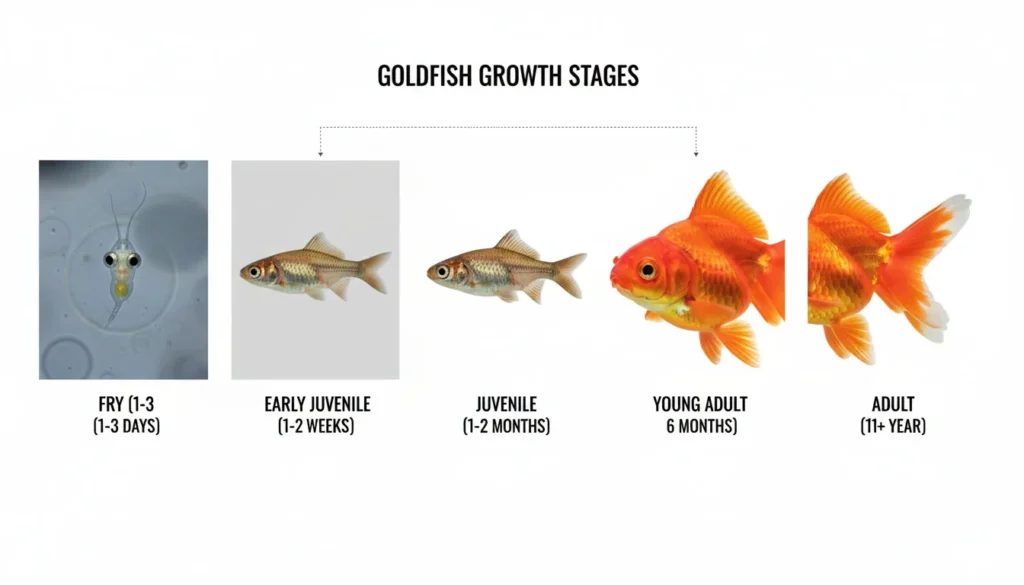
In conclusion, breeding goldfish can be a highly rewarding endeavor, providing both enjoyment and satisfaction. As discussed throughout this comprehensive manual, successful breeding requires a thorough understanding of the specific needs and conditions essential for nurturing both the adult goldfish and their offspring. From selecting the right breeding pairs to creating an optimal environment for spawning, each step is crucial to ensuring a successful breeding process.
By adhering to best practices, such as monitoring water quality, maintaining proper temperature, and offering a balanced diet, breeders can not only foster healthy goldfish but also witness the miracle of life as they observe the eggs develop and hatch into fry. Each generation of goldfish brings with it the potential for unique colors, patterns, and personalities, which adds to the excitement of this undertaking.
Moreover, breeding goldfish is not just an individual activity; it can also foster a sense of community among enthusiasts. Engaging with fellow breeders through forums or local clubs allows for the exchange of tips and experiences, enhancing the knowledge and enrichening the breeding journey. As your skills improve and you welcome new generations into the world, we encourage you to share your experiences with others who share your passion.
So, if you have ever contemplated taking the plunge into goldfish breeding, do not hesitate. Embrace the joy of nurturing these beautiful creatures and embark on a journey that promises not only a delightful challenge but also a chance to make significant contributions to the goldfish population. Happy breeding!