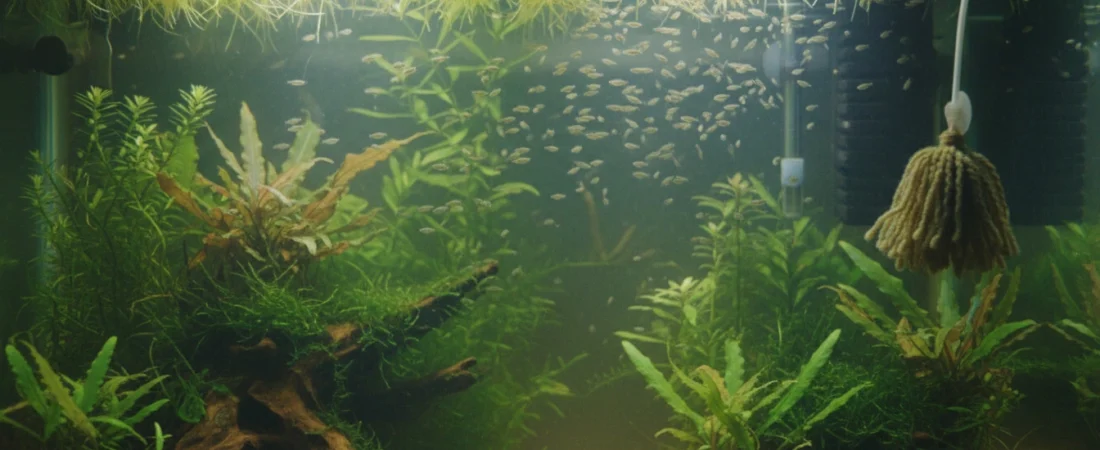
Introduction to Fish Cannibalism in Breeding Tanks
Fish cannibalism is a behavior frequently observed in breeding tanks, particularly among species that display nurturing instincts towards their young or fry. This phenomenon raises significant concerns for aquarists and breeders who aim to raise healthy fish populations. In essence, parent fish may consume their offspring due to a variety of reasons, ranging from environmental stressors to inherent genetic traits.
One common factor contributing to this behavior is overcrowding within the breeding tank. When fish are crammed into a limited space, competition for resources, including food, can become fierce. As a result, stressed parent fish may resort to cannibalizing their brood simply to improve their chances of survival. Moreover, when natural habitats are replicated in breeding tanks, the absence of adequate hiding spots for fry can increase vulnerability, leading to heightened risks of cannibalism.
Genetic predispositions also play a significant role in the likelihood of cannibalism among fish parents. Certain species are more inclined to exhibit this behavior due to evolutionary traits that ensure their survival in the wild. For instance, in harsh environments, consuming weaker or smaller fry can allow stronger offspring to thrive, ultimately increasing the chances of genetic continuation.
From my own experiences, I have observed that stressors such as changes in water quality or temperature can exacerbate the proclivity for fish cannibalism. Implementing practices such as adequate space and providing shelter can mitigate these occurrences. Additionally, investing in high-quality nutrition and reducing predatory instincts can help ensure that parent fish prioritize the care of their fry over consumption. Recognizing these factors is essential for any breeder aiming to maintain the health and diversity of their fish populations.
Why Fish Eat Fry
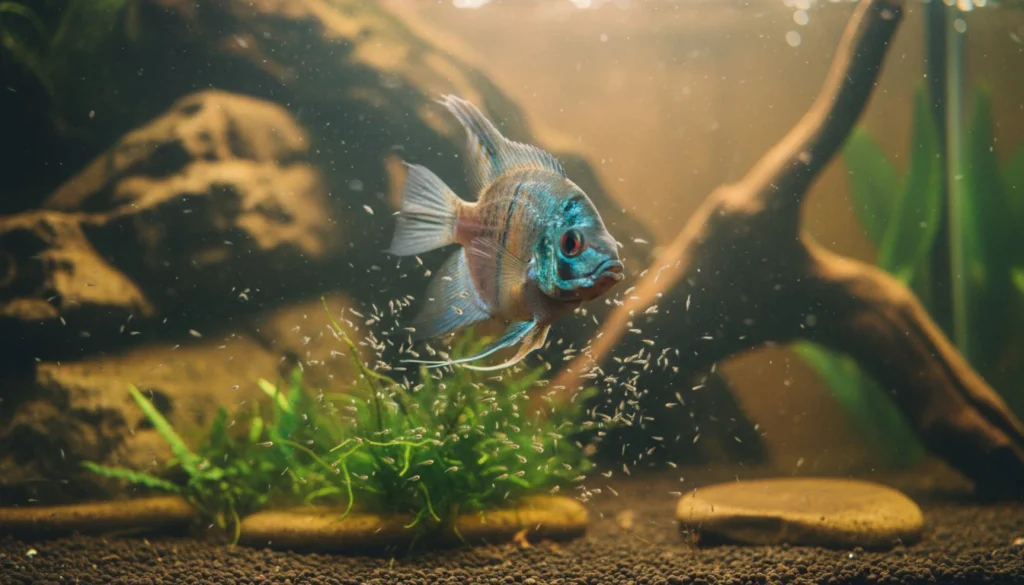
The phenomenon of cannibalism among fish, particularly the eating of fry by parent fish, is a complex behavior influenced by various biological and environmental factors. One primary reason fish may consume their fry stems from instinctual behaviors. Many fish species are hardwired to display aggression toward smaller or weaker fish, viewing them as potential threats or competitors. In nature, this instinct helps maintain an ecological balance, ensuring that only the fittest survive. However, this instinct can also lead to the unsettling reality of fry being seen as food.
Stress in the aquatic environment plays a significant role in triggering cannibalism. When fish feel threatened or are placed in confined spaces, such as overcrowded tanks, their natural instincts can sometimes overwhelm their parental instincts. Stressors, including sudden changes in water conditions or the presence of aggressive tank mates, may encourage adult fish to eat their fry out of panic or confusion.
Feeding practices greatly influence the likelihood of fry being consumed by their parents. If adult fish are not adequately fed or if their diet lacks essential nutrients, they might resort to consuming their young as a survival strategy. Nutritional deficiencies can trigger aggression and lead to cannibalistic behavior as parents instinctively seek to regain lost nutrients.
Moreover, the availability of hiding spaces for fry is crucial. Fish fry are vulnerable during their early life stages. Without sufficient cover, such as plants or decorations in the tank, fry are more likely to be discovered and eaten by their parents or other fish. Inexperienced or first-time parents may also exhibit behavior patterns that lead to cannibalism, often not recognizing their fry as their offspring but rather viewing them as potential meal sources. Hence, understanding these underlying factors is essential for preventing and addressing cannibalistic behaviors in fish populations.
| Cause | Explanation | Solution |
|---|---|---|
| Stress | Water changes, disturbance, overcrowding | Maintain stable parameters |
| Hunger | Poor conditioning diet | Feed protein-rich foods |
| Lack of hiding | Fry exposed | Add plants and moss |
| First-time parents | No parental experience | Separate parents early |
| Natural instinct | Survival behaviour | Use breeding box |
Fish Most Likely to Eat Fry
Cannibalism in fish can be particularly alarming for breeders, especially when fry are at risk of being consumed by their parents. Several fish species are known for their tendency to eat fry, particularly during the breeding period. A few examples include cichlids, some types of catfish, and bettas. These species exhibit behaviors that can lead to parental cannibalism, raising concerns for aquarists.
Cichlids, for instance, are renowned for their complex parental care; however, many species will consume their offspring under stress or overcrowded conditions. The African cichlids, in particular, display varying degrees of parenting behaviors. Those bred in less controlled environments are more likely to eat their fry, often due to environmental triggers or competition for space and food.
Another category includes various catfish species, especially those known for their aggressive nature. Catfish such as the Blue and Channel Catfish are documented to consume their young if food is scarce or when the fry are perceived as a threat to their territory. This behavior is often attributed to their instinct to conserve resources and ensure survival, underscoring how hunger influences cannibalistic tendencies.
Bettas are perhaps one of the most infamous fish when it comes to cannibalism among fry. Male bettas are especially notorious for attacking and consuming fry after spawning. This behavior is tied to their instinctual drive to eliminate future competition for resources, explaining why breeders often separate males from their fry shortly after they are born.
The likelihood of cannibalism can depend on environmental factors, reproductive stress, and food availability. Therefore, understanding the breeding behaviors of these fish species is crucial for breeders aiming to protect their fry and foster a safe breeding environment.
Warning Signs Parents May Eat Fry
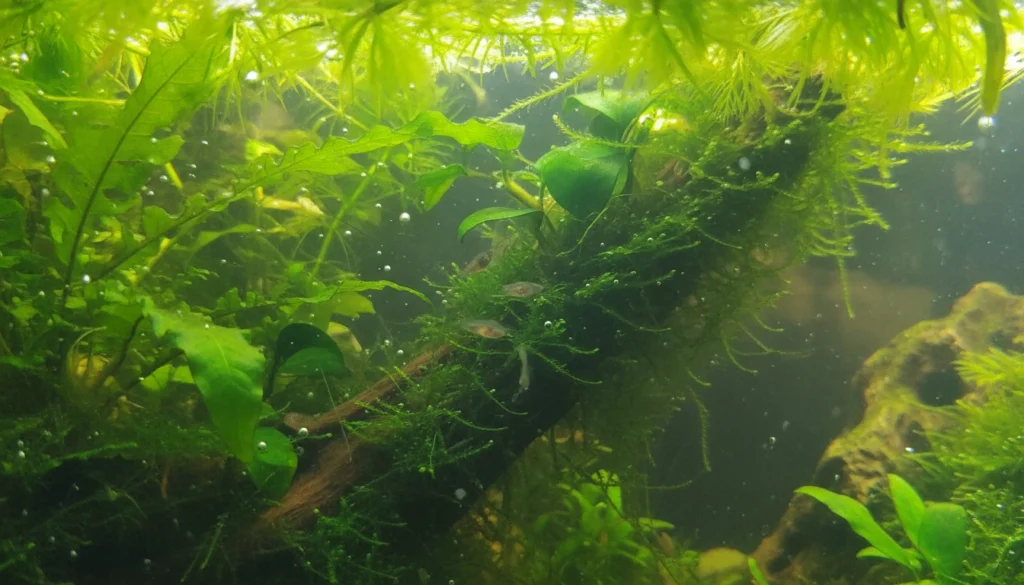
When managing breeding fish, it is crucial to be vigilant about signs that may indicate a propensity for cannibalism, particularly among fry. Parents consuming their young can devastate any breeding efforts, so recognizing behavioral indicators is essential. One of the first signs to watch for is increased aggression among parent fish. If one or both parents become overly territorial or engage in belligerent behaviors towards fry, it can signal a readiness to consume them.
Another critical indicator is the physical appearance of the fry. If the fry appear stressed or are hiding more than usual, it may suggest that the environment is too hostile or that they are being preyed upon. Fry that display signs of injury or missing fins might indicate an aggressive parent taking advantage of their vulnerable state. Observing feeding behaviors can also provide insights; if the parents preferentially chase select fry, it may highlight a pattern of predation.
To mitigate these behaviors, breeders should consider altering the tank conditions. Providing ample hiding spots with plants or decorations can help fry escape aggressive parents. Separately, feeding the parents a well-balanced diet rich in protein can reduce their impulse to consume fry out of hunger. It is also advisable to introduce fry to the tank when they are slightly larger, which can enhance their chances of survival. Regular monitoring and timely interventions can prevent the catastrophic loss of fry to cannibalism.
Understanding these warning signs is vital for successful breeding endeavors, as timely action can mitigate risks and ensure a healthier environment for the fry.
Effective Prevention Methods
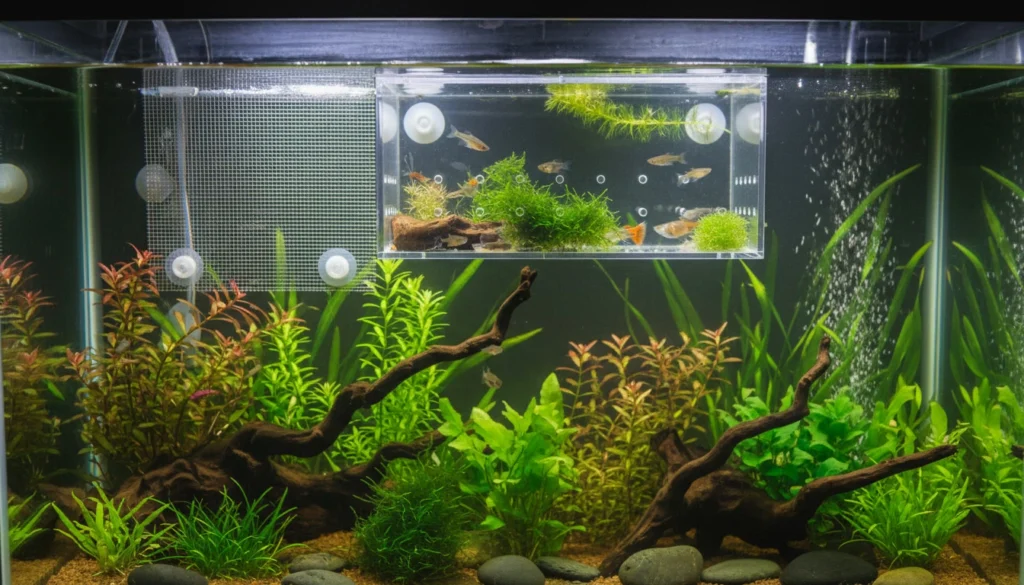
Preventing parental cannibalism in fish is a multifaceted approach that requires careful planning and execution. Timing plays a crucial role; removing parents immediately after spawning can significantly decrease the likelihood of them consuming their young. It is advisable to monitor the spawning closely and be prepared to separate the parents as soon as the fry becomes visible. Spawning may produce up to hundreds of fry, making it essential to act quickly to preserve this new generation.
Utilizing breeding boxes or tank dividers can be an effective way to safeguard fry from parental predation. These methods allow the parents to remain in the same habitat while keeping the fry in a secure environment. Breeding boxes enable the fry to remain safe during the early days post-hatching, particularly when parental instinct may trigger them to consume their offspring. Additionally, installing tank dividers can provide a physical barrier, enabling fish to exhibit natural behavioral patterns without the risk of cannibalism.
Incorporating an array of plants and hiding spots can enhance the safety of fry as well. Dense vegetation offers a refuge for the fry, reducing visibility and thus limiting chances of predation. Live plants or silk plants can contribute to a more natural environment, while also providing oxygen and improving water quality. This strategy is beneficial for both egg layers and livebearers, as it mimics their natural habitat.
Feeding strategies before and after spawning can condition the parents and reduce the potential for cannibalism. A nutritious diet rich in protein helps to satisfy the parents, potentially decreasing aggression towards their offspring. Ensuring parents are well-fed can help mitigate their instinctual drives towards consumption of their own fry. Each species may have its particular requirements, and understanding these can be critical for those fish exhibiting parental care.
| Breeding Type | Risk Level | Best Protection Method |
|---|---|---|
| Livebearers | High | Separate mother quickly |
| Egg scatterers | Very High | Remove eggs |
| Bubble nest builders | Medium | Remove female after spawning |
| Cichlids (parental care) | Low to Medium | Observation before removal |
| Community breeding | High | Dense plants + fry tank |
Common Mistakes to Avoid
When breeding fish, especially species known for fry cannibalism, new breeders often fall into certain common traps that can inadvertently increase the risk of their fry becoming victims. Understanding these pitfalls is essential for ensuring a healthy growth environment for the fry and mitigating the likelihood of cannibalism.
One significant mistake is underestimating the space required for both adults and fry. In instances where the adult fish are kept in crowded conditions, stress levels rise, and territorial aggression may manifest more frequently. This stress not only affects the temperament of the parents but can also lead to increased cannibalistic behavior towards the fry. A well-planned tank layout with ample space and hiding places encourages a more peaceful coexistence.
Feeding practices also play a crucial role. New breeders often make the error of providing an inadequate diet for the adults. If the parental fish are not receiving balanced nutrition, they may resort to eating their fry as a means of supplementing their dietary deficiencies. Ensuring that adult fish are well-fed with high-quality food helps reduce the temptation to consume their offspring.
Another common oversight is poor fry care immediately after hatching. Fry require specific conditions, such as optimal water quality and appropriate sizes of food, to thrive. Some breeders do not monitor these parameters closely enough, leading to unhealthy fry that are susceptible to being eaten. It’s important to maintain a separate breeding tank when fry are present to minimize interaction with the adult fish until the fry are large enough to survive on their own.
By addressing these misunderstandings and making informed adjustments, breeders can create a more conducive environment for fry development, significantly reducing the likelihood of cannibalism in their breeding practices.
Practical Breeder Tips from My Experience
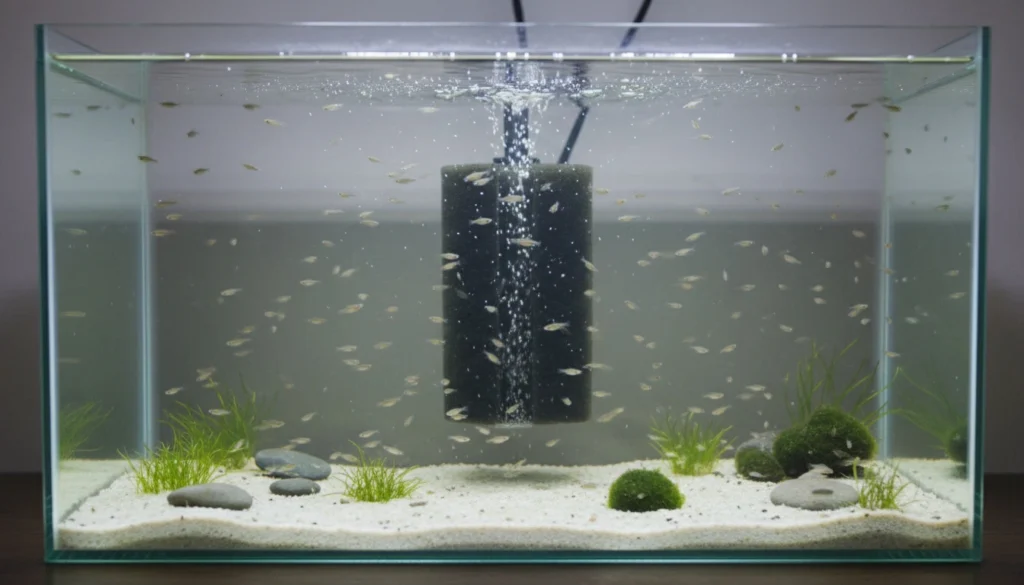
Breeding fish poses numerous challenges, particularly the well-documented issue of parental cannibalism. To mitigate this concern, I have compiled several practical tips drawn from my years of experience in breeding fish. By implementing these strategies, breeders can significantly enhance the survival rate of fry while fostering a healthy breeding environment.
Firstly, consider providing ample hiding spaces for fry. Utilizing plants, rocks, and specially designed fry shelters can create a secure environment, reducing the likelihood of adults preying on the young. These refuges allow fry to evade potential threats and promote their overall well-being.
Secondly, timing is crucial. If you notice that fry are becoming vulnerable, transferring them to a separate tank can be an effective preventative measure. This relocation not only protects the fry but also relieves stress from the breeding pair, allowing them to focus on their own health and nurturing behaviors.
Another useful approach is to monitor the feeding patterns of adult fish. Ensuring that the parents are well-fed can diminish their hunting tendencies. A diet rich in protein and nutrients fosters satiety and can redirect the adults’ instincts away from eating their young.
Moreover, observing the breeding routine can offer insights into the right moment to intervene. Once the eggs hatch, be vigilant in determining when to separate the fry, as the risk of cannibalism increases exponentially post-hatching. If possible, create a designated fry-rearing tank early on to ease the transition.
Lastly, always conduct thorough research on the specific species you are breeding, as their behaviors can vary widely. This understanding allows breeders to tailor their strategies effectively, minimizing risks associated with cannibalism. By following these practical tips, breeders can cultivate a safer environment for fry and ensure a more successful breeding cycle.
Frequently Asked Questions
Fish cannibalism is a common concern among aquarists, particularly for those breeding species that have predatory tendencies. Below are five frequently asked questions related to this phenomenon and effective breeding strategies.
1. Why do fish exhibit cannibalistic behavior?
Cannibalism among fish can occur for various reasons, primarily driven by instinct. In natural settings, many fish species will consume smaller or weaker fry as a means of population control and resource allocation. Additionally, territorial disputes or competition for food can also trigger such behavior. Understanding the natural instincts of your fish can aid in formulating effective strategies to mitigate this.
2. How can I prevent cannibalism in my aquarium?
To minimize the risk of cannibalism, it is crucial to provide sufficient hiding spots and spaces for the fry. Utilizing aquatic plants, rocks, and specific tank layouts can create a more secure environment for them. Additionally, separating larger fry from smaller ones and ensuring that all have access to adequate food can further reduce the likelihood of cannibalistic events.
3. At what size can fry be safely mixed with adults?
The appropriate size for introducing fry to adult fish varies by species. Generally, fry should be at least one-quarter the size of the adults they share a tank with. It is advisable to research the specific characteristics of the fish species involved to determine the optimal size ratios for safety.
4. What are the consequences of ignoring cannibalism?
Neglecting the issue of cannibalism can lead to significant losses in fry populations and can disrupt the overall health and structure of the aquarium ecosystem. Continuous predation may result in stunted populations and could impair future breeding efforts, leading to an imbalance in the aquatic environment.
5. Can breeding strategies be adapted to reduce cannibalism?
Absolutely. Adopting breeding techniques such as the use of breeding boxes or separate rearing tanks can significantly diminish the impact of cannibalism. These methods promote the safety of fry from potential threats posed by larger fish, thereby ensuring better survival rates and a healthier population.
Conclusion and Actionable Takeaway
In conclusion, preventing cannibalism in breeding tanks is critical for the success and health of fish populations. Understanding the underlying causes of such behaviors among fish, particularly the tendency of parent fish to eat their fry, allows breeders to implement effective measures. Key strategies include providing adequate space and structural cover within the tank, ensuring optimal feeding practices, and monitoring fish behavior closely.
Aquarium breeders should pay particular attention to environmental conditions, which can play a crucial role in influencing fish dynamics. Maintaining water quality, appropriate temperature, and similar parameters can help in reducing stress and aggression among fish, thereby minimizing the likelihood of cannibalism. Furthermore, separating the fry from their parents or placing them in a separate tank after spawning can significantly decrease the chances of predation.
Observation is paramount; breeders must spend time watching their fish for signs of predatory behavior. This will enable prompt intervention should issues arise. Breeders should also consider diversifying their breeding strategies by mixing various age groups or species, reducing competition for resources, which can inadvertently exacerbate cannibalistic tendencies. Implementing these measures can lead to healthier fry production and better development overall.
Lastly, breeders are encouraged to stay informed about the latest research and best practices concerning fish breeding and care. By remaining proactive and adaptable to changing circumstances, breeders can cultivate a thriving aquatic environment, thereby effectively mitigating the risks associated with cannibalism in their tanks.