Introduction
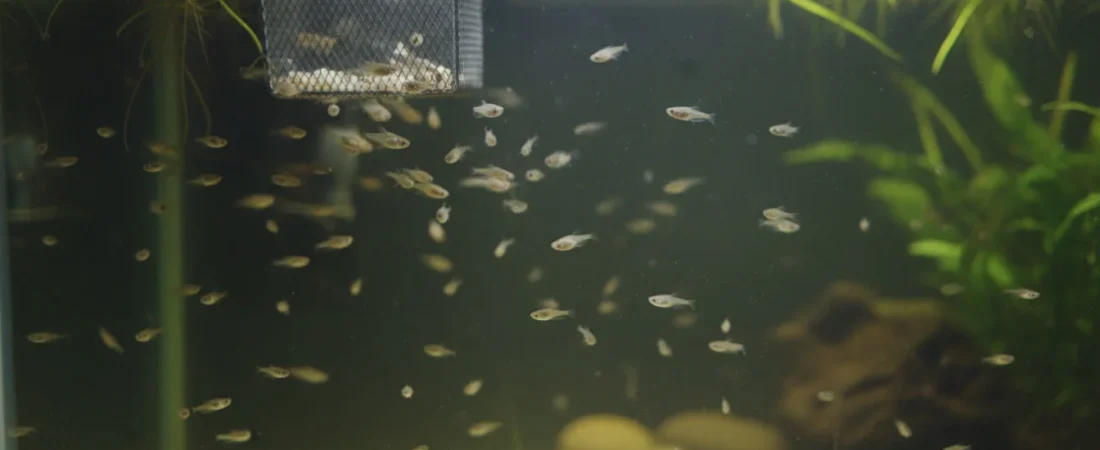
The early life stages of fish, commonly referred to as fry, are highly susceptible to a variety of diseases. This vulnerability is primarily due to their delicate physiological state, which can be influenced by several factors including environmental conditions, nutrition, and overall care. Fry are in a critical developmental phase where any disruptions can lead to significant morbidity and mortality rates. Thus, recognizing their susceptibility to diseases becomes essential for successful breeding practices.
Understanding what diseases affect fry is a pivotal element for aquarists and breeders who aim to maintain healthy stocks. High survival rates in fry can only be achieved through careful monitoring and management of their health conditions. Various pathogens, such as bacteria, fungi, and parasites, can quickly become problematic in fry populations if not addressed promptly. Therefore, it is imperative for breeders to be equipped with knowledge regarding these potential threats and to implement safe treatment options.
Furthermore, the use of treatments must be approached with caution as fry are particularly sensitive to chemicals and medications. The importance of safe treatment options cannot be overstated; harsh treatments can compromise fry’s health even further, leading to detrimental long-term effects. Hence, the integration of preventive measures, alongside effective treatment strategies, is critical in ensuring fry health.
In this post, we will delve into common fry diseases and explore various methods of treatment that safeguard their well-being while promoting high survival rates. By educating breeders about these challenges and treatments, we aim to enhance their ability to successfully rear fry and contribute positively to the aquaculture sector.
Why Fry Are More Sensitive to Diseases
Fry, the early developmental stage of fish, are particularly vulnerable to diseases for several reasons that stem from their physiological and environmental challenges. One of the primary factors contributing to their susceptibility is their developing immune systems. At this stage, fry are not fully equipped to combat pathogens, making them more likely to succumb to infections. Unlike adult fish, fry lack the robust immune responses that effectively guard against diseases, rendering them more exposed to bacterial and viral invasions.
Additionally, the quality of water is critical for the health of fry. Fry are extremely sensitive to fluctuations in water conditions, including temperature, pH, and ammonia levels. Any instability in these parameters can induce stress, leading to compromised health and increased vulnerability to disease. Clean, stable water is essential for fry, and poor water quality can trigger various health issues, which can quickly escalate into more serious conditions.
Feeding errors further exacerbate the risks fry face when it comes to disease. Inadequate or improper nutrition can weaken their immune systems and growth rates. It is crucial to provide a balanced diet with the right nutrients to ensure healthy fry development. Mismanagement of feeding practices often leads to malnutrition, leaving fry defenseless against disease outbreaks.
Lastly, stress plays a significant role in the health of fry. Factors such as overcrowding, abrupt changes in water quality, and insufficient hiding spaces contribute to stress levels in fry. A stressed fry is more likely to develop diseases since high-stress levels can compromise their immune response. Understanding these factors is essential in implementing preventative measures to safeguard fry health against diseases.
Early Warning Signs of Fry Illness
Recognizing the early warning signs of illness in fry is essential for breeders aiming to maintain a healthy aquatic environment. Young fish, or fry, are particularly susceptible to diseases due to their developing immune systems. Early detection can significantly enhance the chances of effective treatment and improve survival rates.
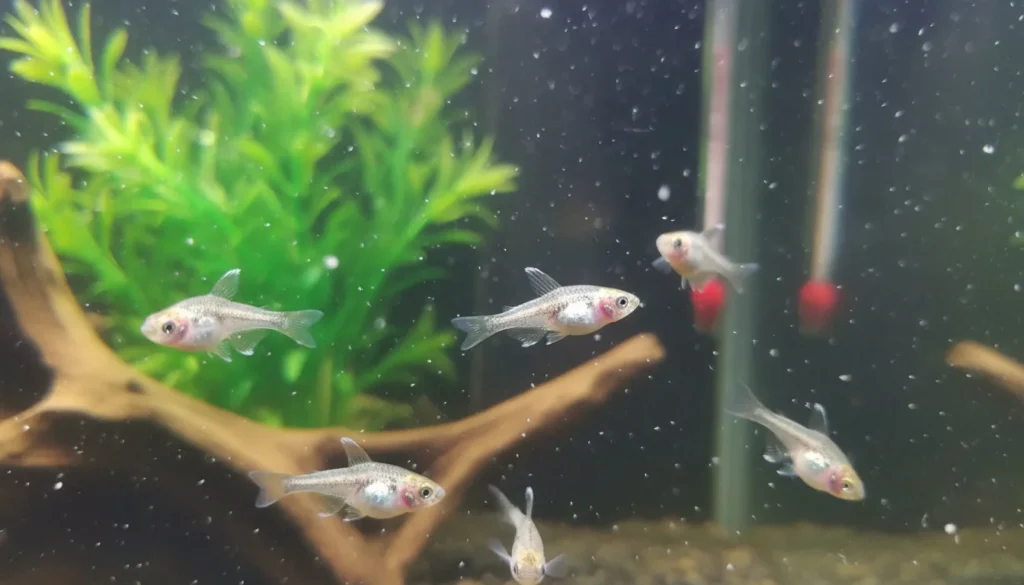
One of the first indicators of potential health issues in fry is changes in behavior. For example, if fry exhibit signs of lethargy, such as hovering near the bottom of the tank instead of actively swimming, this may suggest stress or illness. Additionally, abnormal swimming patterns, such as erratic movements or difficulty maintaining buoyancy, should raise concerns.
Physical signs are equally crucial in assessing fry health. Look for changes in coloration; pale or dull coloration can signal illness or poor water quality. The presence of lesions, swelling, or abnormal growths can also indicate various diseases that require immediate action. Moreover, fry that are isolating themselves from the group may be trying to escape potential stressors or could be exhibiting signs of illness.
Another important aspect to monitor is feeding behavior. Healthy fry are usually active and enthusiastic feeders. If they show a lack of appetite or refuse to eat, this can be a precursor to serious health issues. Keeping a watchful eye on these aspects provides breeders with valuable information about the overall well-being of their fry.
As with all living creatures, prevention is better than cure. Establishing a routine to regularly observe your fry will facilitate the early detection of these warning signs. By being proactive and vigilant, breeders can ensure quicker intervention, improving outcomes for their fry and fostering a thriving aquatic ecosystem.
Most Common Fry Diseases
Fry are particularly vulnerable to various diseases during their early developmental stages. Awareness of the most common ailments can aid aquarists in implementing effective treatment strategies. This section outlines prevalent diseases, their causes, symptoms, and safe treatment options.
| Disease | Cause | Symptoms | Safe Treatment |
|---|---|---|---|
| Fungus | Poor water, dead eggs | White fuzzy growth | Methylene blue, salt micro dosing |
| Bacterial Infection | Dirty water, injuries | Redness, lesions | Water changes, gentle antibiotics |
| Ich / Velvet | Parasites, stress | White spots, scratching | Temperature adjustment, fry-safe meds |
| Swim Bladder Issue | Feeding mistakes | Floating or sinking | Feeding correction, clean water |
Fungus on Fry and Eggs
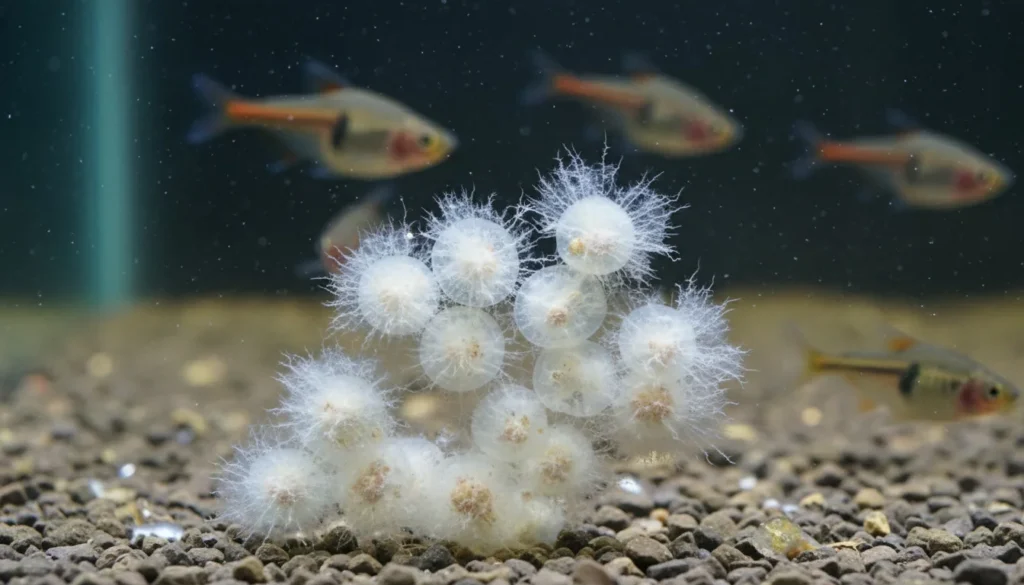
Fungus is a frequent issue affecting fry and their eggs, often caused by poor water quality, overfeeding, or stress. The visible symptoms include white, fuzzy growths on the fry or eggs, which can indicate fungal infection. It is essential to maintain clean water parameters and avoid overcrowding to mitigate these risks. Treatment options involve the use of antifungal medications, such as methylene blue, applied in strict accordance with manufacturer guidelines. Additionally, a salt bath may be beneficial, as salt can help to eliminate fungal spores.
Bacterial Infections
Bacterial infections can proliferate due to injuries or suboptimal water conditions, posing significant risks to fry. Symptoms might include redness, swelling, or the presence of lesions on the bodies of the fry. It is critical to promptly identify and isolate affected individuals. Treatment can involve the administration of antibiotics specifically designed for aquatic environments, ensuring the safe application of these medications to avoid drawing harmful impacts to the remaining fish.
Protozoan Parasites (Ich, Velvet)
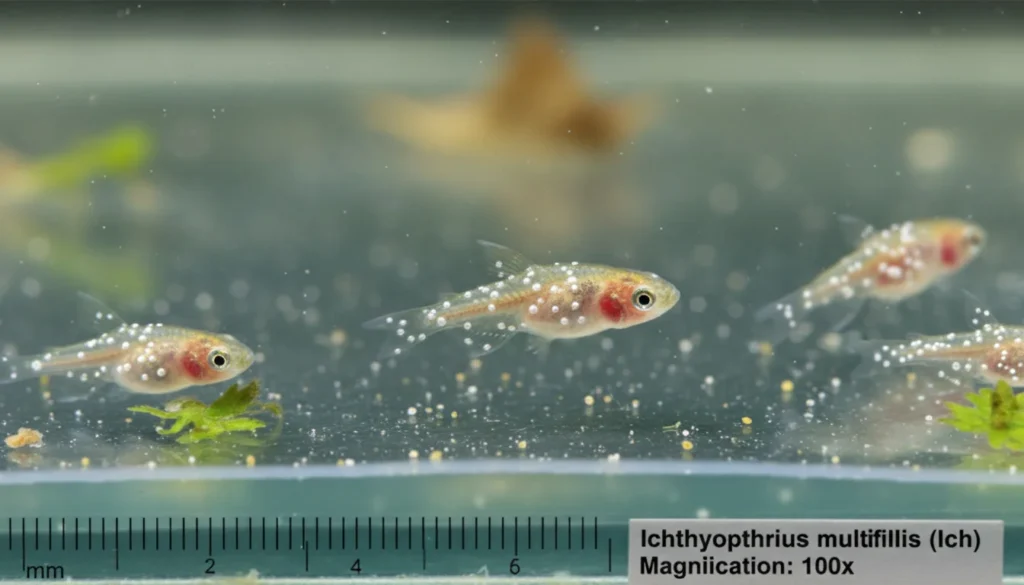
Protozoan parasites like Ich and Velvet are commonly encountered by fry, leading to distressing symptoms such as excessive scratching against surfaces, lethargy, or visible points on their bodies. Ich is often characterized by white spots appearing on the skin and gills. Treatment for these parasites typically involves raising the water temperature to expedite their life cycle, followed by appropriate medicinal interventions, such as copper-based treatments or formalin.
Swim Bladder Problems
Swim bladder disorders may arise due to genetic factors, dietary issues, or environmental conditions. Fry exhibiting difficulty swimming or maintaining buoyancy may indicate a swim bladder issue. Diagnosing the cause is vital; for example, overfeeding can lead to constipation leading to swim bladder dysfunction. Treatment may include adjusting feeding practices, incorporating daphnia into their diet, and ensuring water quality remains optimal, which can promote overall health.
Safe Treatment Principles for Fry
In aquaculture and aquarium settings, the health and well-being of fry, or juvenile fish, are of utmost importance. It is critical to recognize that fry are significantly more vulnerable to environmental stressors and diseases compared to adult fish. Consequently, treatment strategies must be tailored specifically to address the unique physiology and sensitivity of fry. One of the primary considerations in treating fry is the necessity of using medication formulated exclusively for their developmental stage. Standard medications designed for adult fish often contain concentrations that can be harmful or even lethal to fry. The delicate nature of their systems means that even minimal exposure to harsh chemicals can lead to adverse effects.
Another essential principle is dosage control. When treating fry, it is crucial to adhere to guidelines that prescribe significantly lower doses, as their small size and rapid growth rate render them particularly susceptible to overdosing. Moreover, adjustments may need to be made based on the specific species of fry being treated, as different species may have varying tolerances to specific medications. Monitoring the behavior and health of fry after treatment is vital to ensure they are responding positively and not exhibiting signs of distress or deterioration.
| Treatment Area | Safe Approach | Risky Approach |
|---|---|---|
| Medication | Reduced fry dosage | Adult dosage |
| Water Changes | Small frequent changes | Large sudden changes |
| Salt Use | Micro dosing | High concentration |
| Treatment Strategy | Single gentle treatment | Mixing medications |
Lastly, a gentle treatment philosophy is advisable when addressing diseases among fry. This includes creating an optimal environment conducive to healing, which may involve maintaining water quality, ensuring appropriate water temperature, and using softer, more biocompatible treatment options such as herbal or natural remedies where possible. Additionally, frequent, smaller water changes can help maintain water quality without causing undue stress. By prioritizing these careful approaches, aquarists can effectively promote the health and growth of fry while minimizing the risk of harm associated with improper treatment.
Step-by-Step Fry Treatment Process
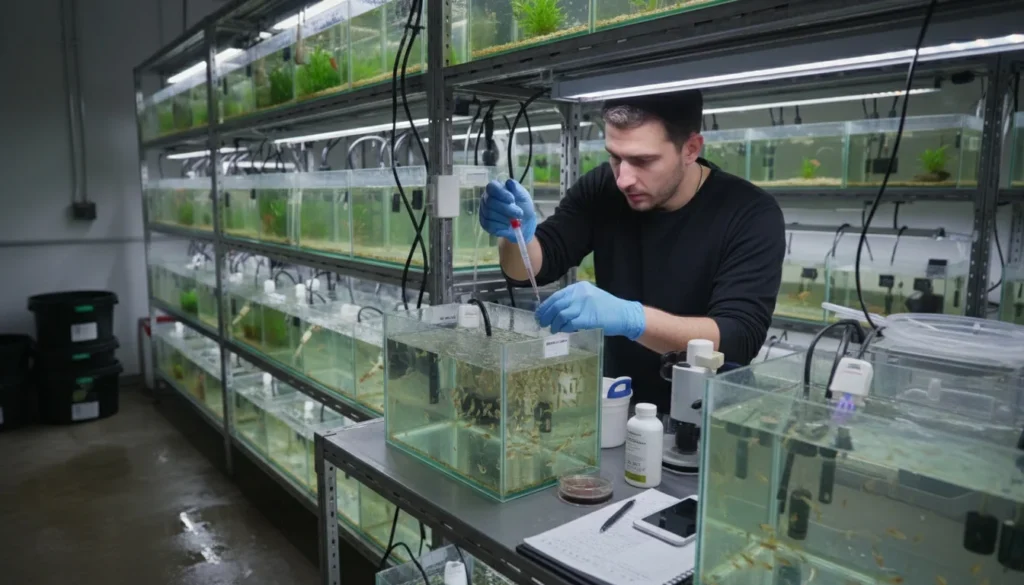
Treating fry for diseases requires a systematic approach to ensure effective results while maintaining their safety. The following steps outline the essential process for breeders to follow when addressing common fry diseases.
Step 1: Preparation
Begin by assessing the health condition of the fry. Identify any symptoms indicating disease such as abnormal swimming behavior, discoloration, or lesions. Keep the environment clean; perform a water change to remove toxins and contaminants. Prepare the treatment solution according to the instructions provided, ensuring that the dosage is appropriate for the specific fry species.
Step 2: Isolation
Once the treatment solution is prepared, isolate the affected fry to prevent the spread of disease. Use a hospital tank or separate container with treated water to minimize exposure to healthy fry. Ensure that the isolation tank has optimal conditions, including appropriate temperature, aeration, and pH levels, to support the recovery process.
Step 3: Execution of Treatment
Administer the treatment solution following the guidelines. Be attentive to monitor the fry’s behavior during this period. Observe for any adverse reactions, and if necessary, adjust the treatment approach accordingly. Depending on the disease, treatments may include medicated feeds, baths, or water conditioning agents. Keep the affected fry under observation for several days, ensuring they are not showing signs of distress.
Step 4: Follow-Up Care
Post-treatment, conduct regular health assessments to confirm that the fry are recovering. Maintain a clean and stable environment, gradually reintroducing any previously isolated fry back into the main tank when they appear healthy. Be vigilant for any return of symptoms; persistent issues may require revisiting treatment options. Providing appropriate nutrition and stress-free conditions during recovery can significantly enhance health outcomes.
Prevention Strategies
Preventing diseases in fry is essential to ensure a successful breeding environment. There are several strategies that aquarists and breeders can adopt to minimize the risks associated with common fry diseases. One of the foremost considerations is maintaining optimal water quality. Regular testing of water parameters such as pH, ammonia, nitrite, and nitrate levels can help detect any imbalances that could disturb the fry’s health. Utilizing high-quality filtration systems and performing routine water changes are crucial steps in keeping the water clean and suitable for fry development.
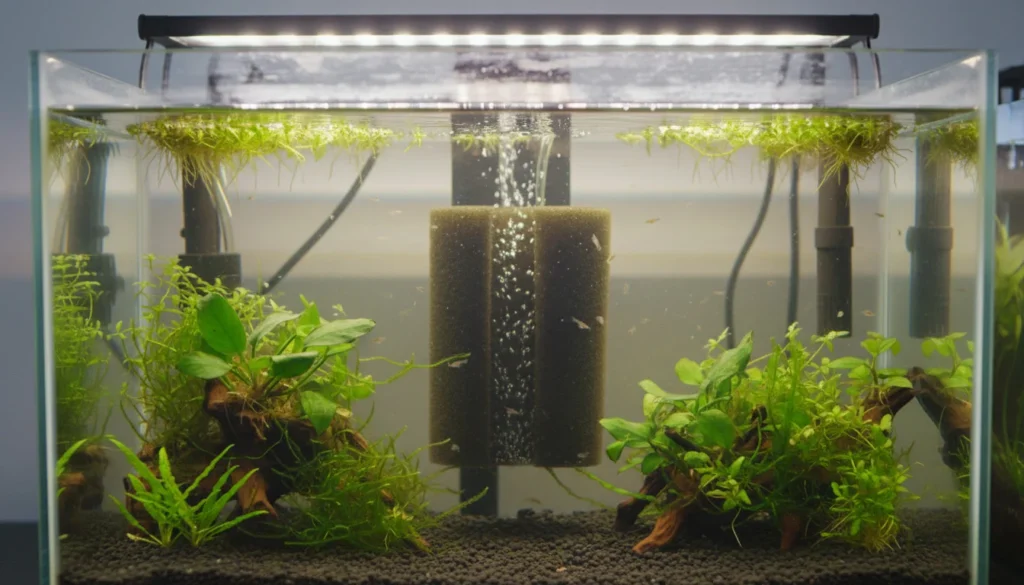
Another critical aspect is the proper management of the breeding environment. Creating safe and stress-free habitats for fry can significantly reduce their susceptibility to infections. This includes providing adequate hiding spots and structures, such as plants and decorations, where fry can retreat if they feel threatened. Additionally, avoiding overcrowding is vital; too many fry in a single tank can lead to stress and subsequent disease outbreaks. Staggering hatch times and using separate containers for different stages of fry can help maintain balance.
Furthermore, the diet provided to fry plays a pivotal role in fortifying their immunity. A balanced diet that includes high-quality, appropriately sized feed promotes healthy growth and resilience against diseases. It is advisable to incorporate a variety of foods, including live, frozen, and high-nutritional dry foods, to ensure that fry receive comprehensive nutrition. Supplementing their diet with vitamins and minerals can also enhance their immune system and overall well-being.
In summary, adopting these preventive strategies focusing on water quality management, creating a conducive breeding environment, and providing a varied diet can significantly reduce the occurrence of diseases in fry and foster healthier outcomes in the breeding process.
| Prevention Action | How to Do It | Benefit |
|---|---|---|
| Micro Water Changes | Daily 5–10% | Stable environment |
| Remove Dead Eggs | Daily inspection | Stops fungus spread |
| Controlled Feeding | Small portions | Prevents ammonia spikes |
| Stable Temperature | Consistent heater use | Reduces stress |
Natural Remedies for Fry Diseases
When it comes to addressing fry diseases, natural remedies can offer effective solutions that are gentle on juvenile fish. These alternatives not only help treat existing problems but also play a vital role in enhancing the overall health and immunity of fry. Various herbal treatments and natural enhancers can facilitate recovery while ensuring the safety of the fish.
One widely known remedy is the use of garlic, a natural antifungal and antibacterial agent. By adding garlic juice or minced garlic to the fry’s diet, it can increase their appetite and help ward off diseases. Moreover, garlic has proven to boost the immune system, which is crucial for fry that are particularly susceptible to illnesses. Another excellent option is the introduction of aquarium salt at appropriate levels. This can aid in relieving stress and treating infections, as it helps maintain osmotic balance, especially in freshwater environments.
Probiotics are another natural treatment that can significantly contribute to the health of fry. These beneficial bacteria, when introduced to the fry’s diet, can ensure that their digestive systems are in optimal condition, promoting nutrient absorption and supporting their immune systems. Additionally, natural substances like tea tree oil are known for their antiseptic properties and can be used to treat external wounds or infections on fry. It is advisable to dilute it properly before application to prevent adverse reactions.
Preventive measures are equally crucial in safeguarding fry against diseases. Creating a stable and clean environment, along with proper filtration and regular water changes, reduces stress and helps prevent outbreaks. Furthermore, ensuring a varied diet that includes high-quality fry food, infusoria, or micro-pellets can also strengthen their resilience against diseases. Altogether, these natural remedies and preventive strategies form a holistic approach towards maintaining the health of fry and treating diseases effectively.
Conclusion
In the realm of aquaculture, understanding common fry diseases is paramount for both hobbyists and professionals engaged in breeding fish. Recognizing the symptoms of illness early can significantly enhance the survival rates of fry, thereby contributing to healthier populations. Throughout this discussion, we have delved into various ailments that often plague fry, emphasizing the specific symptoms, causes, and treatments applicable to each condition.
Moreover, safe treatment protocols play a critical role in addressing these diseases without causing additional stress or harm to the fry. The significance of gentle therapeutic measures cannot be overstated, especially considering the delicate nature of fry during their early stages of development. Implementing appropriate treatments not only aids in recovery but also fosters a conducive environment for growth.
Preventive measures stand as the most effective strategy against fry diseases. Maintaining optimal water quality, ensuring a well-balanced diet, and avoiding overcrowding are essential practices that greatly minimize the risks associated with fish diseases. Adopting these measures can significantly aid in the successful breeding of healthy fry, enabling aquarists to maintain vibrant aquatic ecosystems.
To summarize, knowledge of common fry diseases, coupled with a commitment to safe treatment and robust preventive practices, forms the foundation for successful fish breeding. By cultivating a comprehensive understanding of these aspects, aquarists can enhance their breeding endeavors and contribute to healthier fish populations, ultimately leading to a thriving aquatic environment.