Introduction
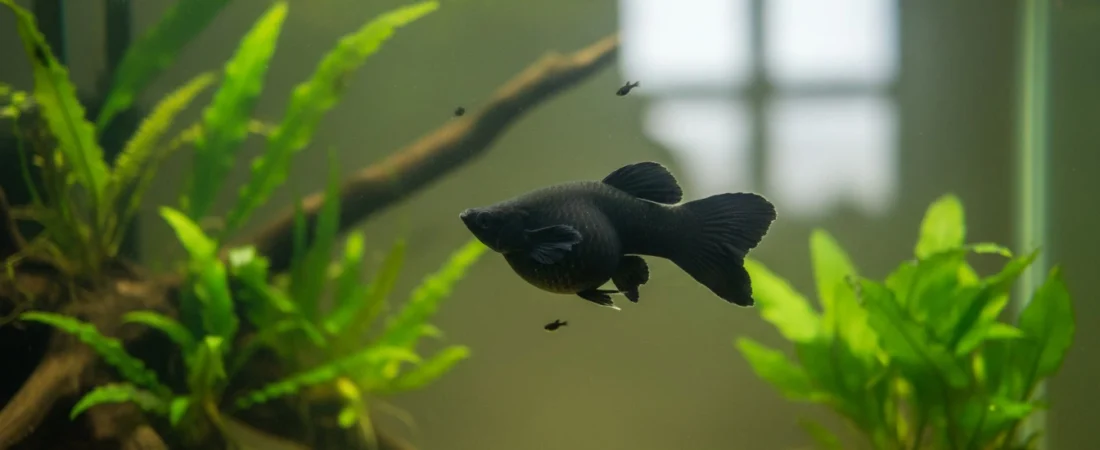
Molly fish have gained significant popularity among aquarium enthusiasts for their vibrant colors and peaceful disposition. Known for being hardy and adaptable, they are one of the most preferred choices when it comes to breeding molly fish, especially for beginners and intermediate hobbyists. These fish belong to the Poecilia genus, which classifies them as livebearers, meaning they give birth to free-swimming young rather than laying eggs. This characteristic makes their reproduction process particularly fascinating for aquarists eager to witness the entire lifecycle firsthand.
One of the standout features of molly fish is their wide range of colors and variations, which include black, dalmatian, and balloon mollies, among others. This variety not only adds aesthetic appeal to home aquariums but also facilitates selective breeding opportunities for those looking to create unique color morphs. Additionally, their social nature allows them to thrive in community tanks, further enhancing their appeal.
Another reason why breeding molly fish is embraced by hobbyists is their relative ease of care. They are resilient fish that can adapt to different water conditions, which is advantageous for those who may not have extensive experience in fishkeeping. With proper tank setup, including appropriate water parameters and diet, molly fish can flourish and breed successfully. This combination of hardiness, sociality, and visual allure has established them as a favorite among those looking to develop their skills in aquaculture, making the breeding of molly fish a fruitful endeavor.
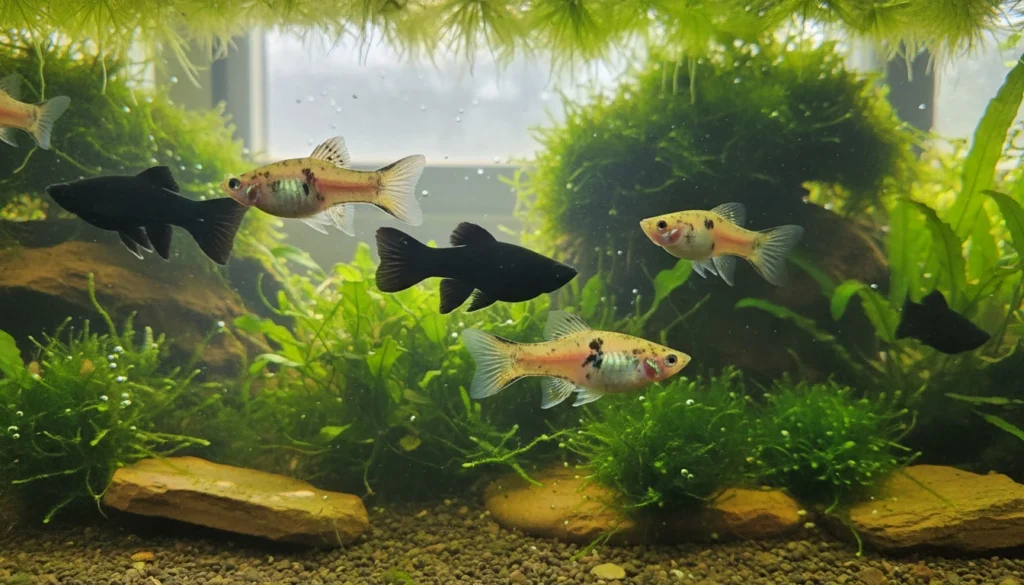
Molly fish, scientifically known as Poecilia spp., are popular livebearers among aquarium enthusiasts. Known for their vibrant colors and active personalities, these fish have garnered interest for their breeding ease and adaptability. Typically, molly fish can grow between 3 to 4 inches in length, with some species reaching slightly larger sizes. They exhibit a variety of colors and patterns, which include solid blacks, whites, and a range of mottled and spotted variants. Among the most popular in the aquarium trade are the black molly, balloon molly, and sailfin molly, each exhibiting unique traits that enhance their appeal.
Molly fish are renowned for their friendly and peaceful demeanor, making them suitable for community tanks. Their sociable nature allows them to coexist harmoniously with other non-aggressive species such as guppies, swordtails, and tetras. However, it is essential to provide adequate space and hiding spots to prevent any potential conflicts, especially among males that may display territorial behaviors. This compatibility with a variety of fish species contributes to their desirability in community setups.
Moreover, the care requirements for molly fish are relatively straightforward. They thrive best in slightly alkaline water, with a pH range of 7.0 to 8.5, and a temperature between 75°F and 82°F. Their diet consists mainly of high-quality flakes, pellets, and the occasional vegetable matter, ensuring they receive the essential nutrients needed for optimal health. Given their livebearing reproduction method, breeders will find that providing appropriate conditions and tank mates can lead to successful breeding outcomes; therefore, new aquarists often find them a rewarding species to keep.
How Molly Fish Reproduce
Molly fish (Poecilia sphenops) are known for their fascinating reproductive characteristics, which distinguish them from many other species in the aquatic environment. They are classified as livebearers, which means that instead of laying eggs, female molly fish give birth to fully formed, free-swimming fry. This unique reproductive strategy allows the young molly fish to escape predation more effectively, as they are immediately viable and able to find shelter in their environment.
The gestation period for molly fish typically ranges from 25 to 35 days, depending on various factors such as water temperature, maternal health, and the specific variety of molly. During this period, females can exhibit noticeable signs of pregnancy, including a rounded belly and changes in behavior as they prepare for birthing. It is essential for aquarists to monitor female mollies closely during this time, as providing the right conditions can significantly influence the health and survival of the fry.
On average, a single birthing event can produce anywhere from 20 to 100 fry, although larger quantities are not uncommon, particularly for healthy and well-cared-for females. To assist readers further in understanding these key breeding facts, the following table summarizes the essential details regarding the reproduction of molly fish:
| Breeding Fact | Details |
|---|---|
| Gestation Duration | 25–35 days |
| Average Fry Count | 20–100 fry |
| Breeding Frequency | Every 4–6 weeks |
Understanding the reproductive behavior of molly fish and their breeding patterns is vital for anyone aspiring to breed them successfully. This knowledge not only enhances the likelihood of a thriving aquarium but also ensures that the fry are adequately cared for, thus contributing to sustainable fishkeeping practices.
Identifying Male vs Female Molly Fish
Distinguishing between male and female molly fish is crucial for successful breeding and maintaining a harmonious aquarium environment. Both genders exhibit specific characteristics that can help hobbyists identify them easily.
Male Molly Fish Characteristics
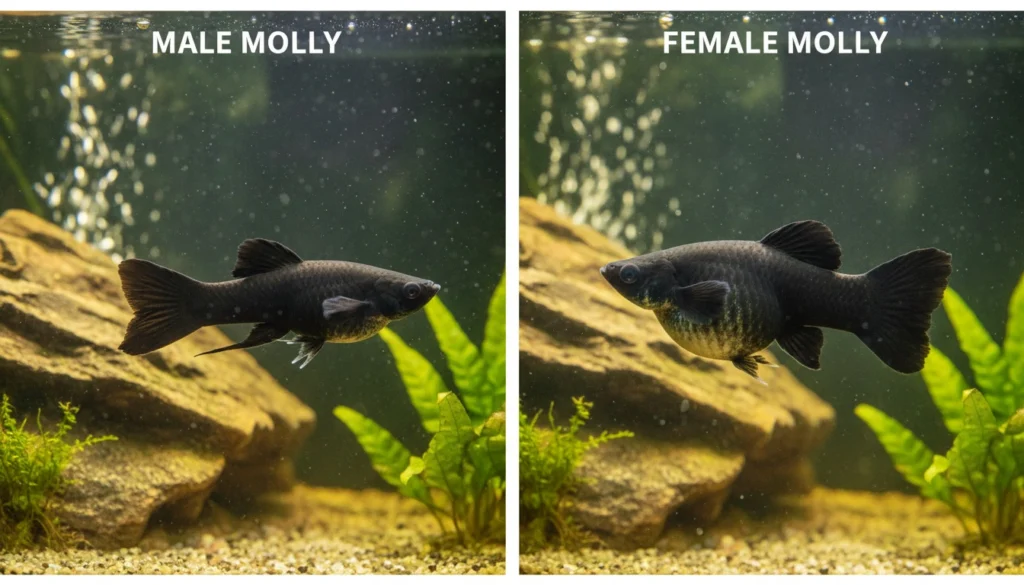
Male mollies are typically smaller than their female counterparts, measuring around 2 to 4 inches in length. One of the most distinctive features of male molly fish is the presence of a modified anal fin known as a gonopodium. This elongated fin is used for transferring sperm during mating and is a reliable indicator of male gender. Additionally, male mollies tend to have a more vibrant coloration compared to females, often displaying brighter and more pronounced hues, which can be visually striking, especially during breeding periods. Their behavior also differs; males are often more aggressive and territorial, especially when competing for the attention of females, engaging in displays or even chasing other males.
Female Molly Fish Characteristics
In contrast, female mollies typically exhibit a more rounded and fuller body shape, which is particularly noticeable when they are pregnant. Mature females can grow larger than males, reaching lengths of up to 5 inches. The anal fin of females is fan-shaped and less pointed than that of males, providing yet another way to differentiate between the sexes. Observant aquarists will notice that females possess a more relaxed and passive demeanor, often spending time grazing on plants rather than engaging in the more vigorous behaviors seen in males. When it comes to breeding, pregnant females will display a visibly swollen abdomen, often characterized by a dark spot near the anal fin, indicating that fry (baby fish) are developing. Recognizing these traits will greatly assist hobbyists in managing their molly fish populations efficiently.
Setting Up the Ideal Breeding Tank
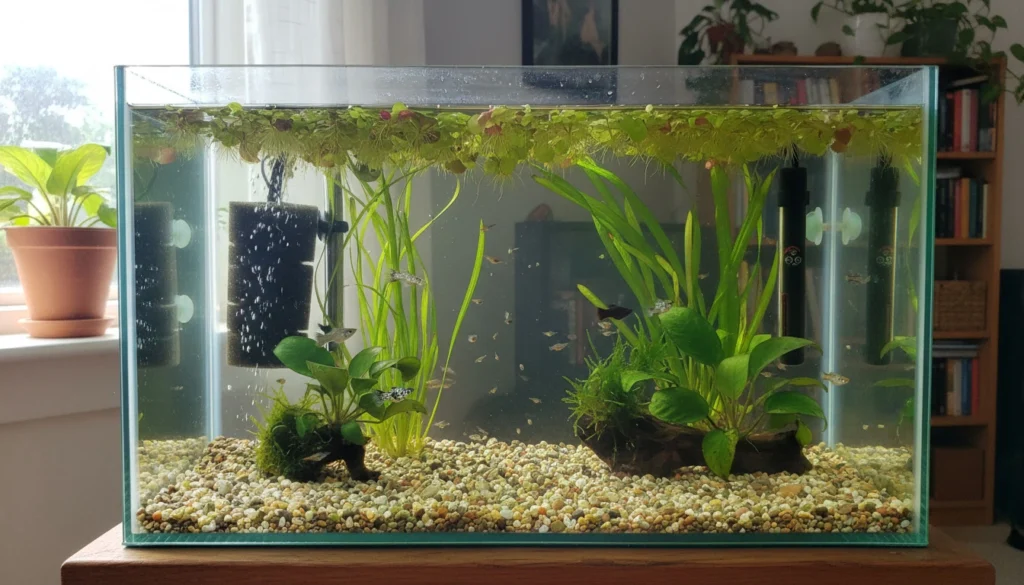
Creating an optimal breeding environment for molly fish is essential for successful reproduction and fry care. One of the first considerations is the size of the breeding tank. Ideally, a tank of at least 20 gallons is recommended for breeding molly fish. This size provides enough space for both the adult fish and the fry, allowing for minimal stress and a more conducive breeding atmosphere. The dimensions allow for ample swimming space, which is critical during courtship and breeding.
Next, attention must be paid to the water parameters. Molly fish thrive in temperatures ranging from 24 to 28°C, ensuring that the fish are comfortable and actively breeding. It is crucial to monitor these parameters regularly since fluctuations can impact the health of both the adult fish and their fry. Additionally, the pH level of the water should be maintained between 7.0 and 8.5. This slightly alkaline environment mimics the natural habitat of molly fish and promotes healthy breeding conditions.
| Parameter | Ideal Range |
|---|---|
| Temperature | 24–28°C (75–82°F) |
| pH Level | 7.0–8.5 |
| Water Hardness | Moderate to Hard |
| Ammonia | 0 ppm |
In addition to appropriate tank size and water parameters, incorporating live plants into the breeding tank is highly beneficial. Live plants not only enhance the natural aesthetics of the tank but also provide essential hiding spots for the fry once they are born. Mollies are livebearers, and after giving birth, the fry require refuge to avoid being eaten by their parents. Plants such as Java moss or floating plants can be particularly effective in creating these hiding spots. Moreover, these plants can help improve water quality by absorbing excess nutrients, thus contributing to a healthier breeding environment overall.
Molly Fish Breeding Tips
Breeding molly fish can be an exciting and rewarding experience for aquarium enthusiasts. To start, selecting the right breeding pairs is crucial. Choose healthy, mature molly fish that exhibit vibrant colors and strong physical characteristics. The ideal breeding pair is often a male and a female; however, it is recommended to keep multiple females for a single male to reduce stress during courtship. This ensures that all females receive adequate attention and increases the chances of successful fertilization.
During the courtship phase, observe the behavior of the molly fish carefully. Males typically exhibit courting behavior by displaying vibrant colors and engaging in chasing. This behavior signifies readiness to breed. It is important to ensure that the breeding environment is stress-free, as aggressive interactions can hinder the breeding process. Providing plenty of hiding spots, such as plants or decorations, can decrease stress levels and create a safer atmosphere for the fish.
Optimal breeding conditions are also essential for success. Maintain stable water parameters, which include a temperature range of 75-80°F and a pH level between 6.5 and 8.5. Additionally, regular water changes will help to keep the environment clean and safe for both the breeding pair and the fry. Creating a separate breeding tank can also help to manage the process better and increase fry survival rates. The breeding tank should be planted with fine-leaved plants such as java moss, providing cover and a safe place for the fry after they are born.
A common mistake among fish breeders is neglecting the post-breeding care of the fry. Ensure that the fry are fed suitable food such as crushed flakes or specialized fry food, and maintain good water quality. This will significantly enhance the survival rate of your molly fry. By following these expert tips, you can look forward to a successful breeding experience and a thriving population of molly fish in your aquarium.
Molly Fry Care
Caring for molly fry is a crucial aspect of successful breeding. Once the fry are born, specific attention must be paid to their immediate environment and dietary needs to ensure proper growth and development. The first step is to relocate the fry to a safe, separate tank that is specifically designed for their small size and vulnerable state. This tank should have soft, gentle filtration to avoid strong currents that can stress the fry.
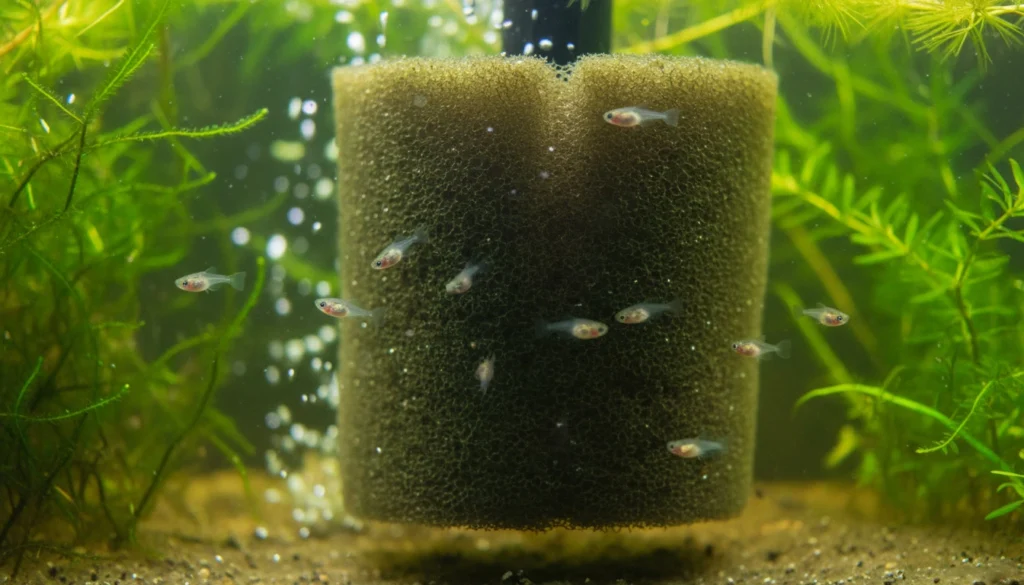
A well-cycled tank with stable water conditions is paramount. Maintain a temperature range of 76-80°F (24-27°C) alongside a neutral pH level between 7.0 and 8.0. Regular water changes, about 10-20% weekly, will help keep the tank clean and free from harmful substances. Adding live plants can create hiding spots and contribute to the fry’s sense of security.
Feeding practices are equally important. Initially, molly fry should be fed freshly hatched brine shrimp, which provides essential nutrients needed for their rapid growth. As they grow, you can introduce finely crushed flakes or specialized fry food. Ensure that the food is small enough for them to consume without difficulty. Regular feeding several times a day, in small portions, is ideal, as fry have high metabolic rates.
| Fry Age | Recommended Food |
|---|---|
| Day 1–3 | Infusoria or liquid fry food |
| Day 4–10 | Baby brine shrimp |
| 2 Weeks+ | Crushed flakes or fry pellets |
Another critical consideration is the protection of fry from adult fish. Adult mollies can be known to eat their young, so it is vital to ensure that fry have enough hiding spots. In addition to tank dividers that separate fry from adults, the introduction of plants and decorations to give fry places to hide will help mitigate stress and predation.
In summary, providing an appropriate environment, necessary food, and protection from adult fish is fundamental to ensuring your molly fry thrive during their early life stages. Proper care results in a healthy population of juvenile mollies that can eventually be introduced back into the main tank or successfully sold or traded. This meticulous attention will certainly yield fruitful outcomes for enthusiastic aquarists.
Common Challenges and Solutions in Breeding Molly Fish
Breeding Molly fish can be an exciting venture for aquarists, yet it is not without its challenges. One of the most significant obstacles faced during this process is managing fry survival rates. Molly fry are notoriously small and vulnerable, making them susceptible to predation by adult fish in the tank. To enhance their survival rate, it is advisable to provide a separate rearing tank specifically for the fry, where they can grow without the threat of being eaten. Moreover, incorporating plenty of hiding spots such as plants and decorations can help the young fish feel secure and increase their chances of survival.
Another issue that tends to arise during Molly breeding is male aggression. Males can become territorial and overly aggressive towards both one another and females, especially in smaller tanks. One effective solution is to increase the number of females in the breeding tank to avoid aggressive behavior directed towards a single female. A general rule of thumb is to maintain a ratio of one male to two or three females, which can distribute male attention more evenly and significantly reduce stress levels among the fish.
Furthermore, the health of both adult Molly fish and their fry can be compromised by various diseases. Common ailments such as ich or fin rot can threaten the success of a breeding endeavor. To prevent these issues, maintaining a stable and clean environment is paramount. Regular water changes, monitoring parameters such as temperature and pH, and quarantining new fish before introducing them to the tank can greatly minimize disease spread. Immediate treatment at the first sign of any illness, using aquarium-safe medications, can also help protect your Molly fish and their fry, ensuring a successful breeding experience.
Conclusion
Understanding the intricacies of breeding molly fish and caring for their fry is foundational to achieving success in aquaculture. As discussed throughout this article, creating optimal conditions for the breeding pairs and their offspring is crucial. Ensuring a stable environment, appropriate tank size, and good water quality can significantly enhance the chances of successful breeding. Additionally, it is essential to provide proper nourishment for both the adult mollies and their fry, as this will promote healthy growth and development.
Moreover, recognizing the behavioral patterns and reproductive cycles of molly fish allows aquarists to facilitate a smoother breeding process. By mastering the basics of molly fish breeding, fish enthusiasts can enjoy the rewards of raising fry and witnessing the full lifecycle of these vibrant aquatic pets. Each breeding experience is unique, offering opportunities to learn and adapt strategies for improved results.
The journey of breeding molly fish is not only rewarding but also an engaging venture into aquatic life. Therefore, we encourage you to embark on your own breeding adventures and experiment with different methods based on your observations and insights. Engaging with the mollies and observing their behaviors can be quite fulfilling and augment your knowledge of fish care.
Finally, we invite you to share your experiences or pose any questions you may have in the comments section below. Your insights and discussions contribute to a community that thrives on collaboration and shared expertise. We look forward to hearing about your ventures in breeding molly fish and hope you achieve fruitful results in your aquatic pursuits.
Frequently Asked Questions
Breeding molly fish can be a rewarding experience, but it often raises several questions among aquarists. Here, we address some of the most frequent inquiries regarding molly fish breeding and fry care.
How can I tell if my molly fish is pregnant?
Identifying a pregnant molly fish involves observing specific physical traits. Pregnant mollies often exhibit a noticeable bulge in their abdomen, indicating the presence of developing fry. Additionally, the area near the anal fin may darken, which is commonly referred to as a “gravid spot.” This darker coloration is a sign that the fish is nearing the end of its gestation period, typically lasting 4 to 6 weeks. Regular observation of your molly fish is crucial, as it allows you to detect these signs early.
What should I do with the fry once they are born?
Once the fry are born, it is essential to act quickly to ensure their survival. If possible, relocate the mother molly to a separate tank to prevent her from consuming her offspring, as some mollies exhibit this behavior. Fry should be placed in a well-maintained environment with plenty of hiding spots, such as floating plants. Using a fine mesh net or a breeding box can help in their safe relocation. Additionally, providing the fry with appropriate food, such as specially formulated fry food or crushed flakes, will help them grow and thrive.
How can I ensure the highest survival rate for my fry?
To maximize the survival rate of your molly fry, maintain optimal water conditions including appropriate temperature and pH levels. A stable environment reduces the risk of stress, which can compromise their health. Feeding them frequently with small amounts of food ensures proper nutrition, contributing to their growth. Regular water changes are also vital to maintain high water quality, as fry are particularly sensitive to contaminants. Lastly, providing ample cover in the form of plants or hiding spots can help fry evade potential threats, boosting their chances of survival.