Introduction
Understanding the significance of water parameters is crucial for anyone involved in aquaculture or fishkeeping, particularly when it comes to breeding and spawning. The water quality in which fish live plays an essential role in their overall health, behavior, and reproductive success. Each species of fish has specific water parameters that must be met to encourage spawning; these parameters include temperature, pH, hardness, and dissolved oxygen levels. When these factors are optimized, they can lead to successful reproduction and the emergence of healthier offspring.
Optimal water conditions create a suitable environment for mating rituals, egg deposition, and fry rearing. In contrast, inadequate water quality can hinder these processes, leading to stress, poor health, and reduced fertility rates among fish. This is particularly important for fish that spawn in natural settings, as they rely on specific cues from their surrounding water to stimulate reproductive behaviors. Those cues may include seasonal changes in temperature or water chemistry that signify the appropriate time to reproduce.
It is also crucial to consider the impact of improper water parameters; deviations from established norms can have adverse effects on fish spawning. Factors such as high ammonia levels or low oxygen can lead to pre-spawning stress, resulting in reduced mating success and unhealthy fry. Consequently, aquarists and fish breeders must pay close attention to their water chemistry to ensure a conducive environment for fish reproduction.
In light of these considerations, this blog post will delve deeper into the best water parameters essential for successful fish spawning. Understanding these parameters is not only vital for breeding enthusiasts but also for anyone committed to promoting the well-being of fish in their care.
What Are Water Parameters in Fish Breeding?
Water parameters refer to a set of measurable characteristics of water that affect the health, well-being, and reproductive success of fish. In the context of fish breeding, these parameters are critical because they dictate the aquatic environment in which fish live and reproduce. The primary water parameters include temperature, pH, hardness, and other chemical factors, each playing a vital role in influencing fish health and reproduction.
Temperature is one of the most important water parameters affecting fish breeding. It influences metabolic rates, growth, and reproductive cycles. Different species have specific temperature ranges that are optimal for spawning. For example, many tropical fish require warmer water temperatures to trigger breeding behavior, while temperate species may require cooler conditions. Maintaining the correct temperature is essential for successful fish spawning.
The pH level of the water is another crucial parameter, as it affects the solubility of minerals and the availability of nutrients. Most freshwater fish thrive in slightly acidic to neutral pH levels (between 6.5 and 7.5). Sudden changes in pH can induce stress or impair reproductive functions, making it essential to monitor and maintain stable pH levels in breeding tanks.
Water hardness, which refers to the concentration of dissolved minerals such as calcium and magnesium, is also significant. Hardness plays a role in osmoregulation, which is vital for fish during breeding. Some species require specific hardness levels to induce spawning, while others may be indifferent.
Additionally, other chemical factors such as ammonia, nitrite, and nitrate levels must be maintained within safe limits to ensure a healthy breeding environment. High levels of ammonia or nitrite can be toxic to fish, adversely affecting their health and hindering the reproduction process. Therefore, understanding and managing these water parameters is essential for successful fish breeding.
Why Correct Water Parameters are Critical for Spawning
Maintaining the appropriate water parameters is vital for the successful spawning of fish, as it directly influences their physiological processes. Fish rely on specific environmental conditions to trigger breeding behaviors and ensure the viability of eggs and fry. Factors such as temperature, pH, hardness, and dissolved oxygen levels should be closely monitored to create an optimal spawning environment.
Temperature plays a crucial role in fish metabolism and reproductive cycles. Each species has its own preferred temperature range that stimulates spawning behavior. For example, warmer temperatures may accelerate the reproductive cycle, allowing fish to spawn more frequently. However, excessive heat can be detrimental, leading to stress and lower reproductive success. Additionally, pH levels must be carefully regulated, as fluctuations can lead to increased mortality rates in both eggs and larvae. Most freshwater fish prefer a neutral to slightly acidic pH, and deviations from this range may negatively affect their breeding outcomes.
Hardness, or the concentration of calcium and magnesium in the water, is another critical parameter. It influences the development of fish eggs and the overall health of the young fish. Optimal hardness levels support the mineral requirements for egg production and support vital biological processes as fry grow. Insufficient dissolved oxygen can stunt growth and hinder the ability of newly hatched fish to thrive, making it imperative to maintain high oxygen levels during the breeding period.
Establishing and maintaining these water parameters can lead to a range of benefits for both the fish and the aquarist. Proper conditions enhance the chances of successful breeding, resulting in healthy offspring and potentially increasing the stock of desirable fish. Moreover, a thriving breeding environment reflects well on the aquarist’s skills, ultimately resulting in satisfaction and success in fish-keeping endeavors.
Ideal Water Temperature for Fish Spawning
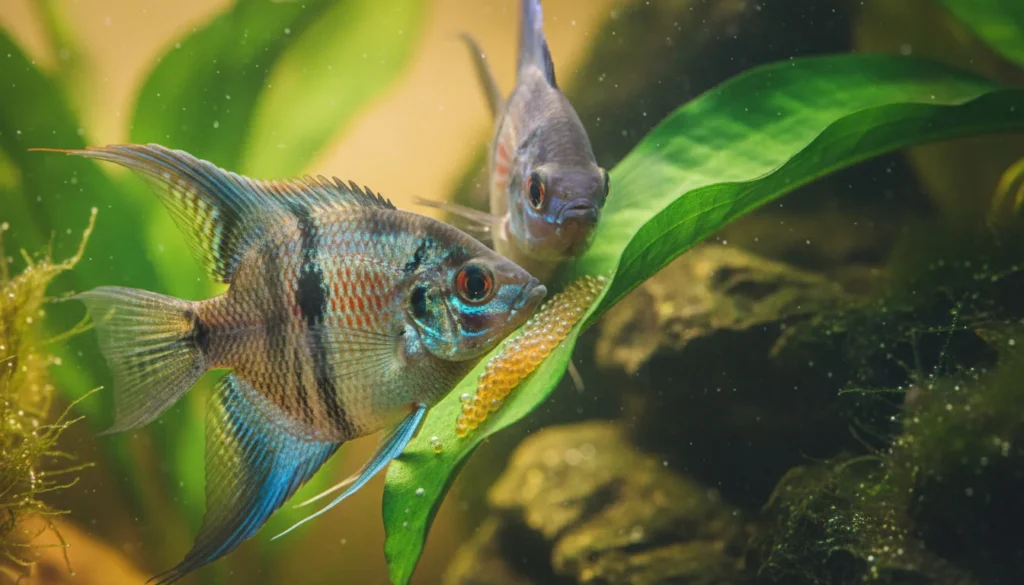
Temperature plays a pivotal role in the spawning success of many fish species. It directly influences the hormonal balance in fish, critical for initiating the reproductive process. The optimal water temperature can vary significantly among species, affecting their spawning behaviors and fertility rates. Understanding these temperature ranges is crucial for aquarists and fish breeders aiming to enhance breeding success.
| Fish Species | Optimal Spawning Temperature (°C) |
|---|---|
| Goldfish | 20–22 |
| Guppies | 25–28 |
| Betta | 24–30 |
| Cichlids | 26–30 |
| Catfish | 23–27 |
| Rainbowfish | 24–28 |
As highlighted in the table above, different fish species have unique temperature needs for optimal spawning. For instance, goldfish thrive at slightly cooler temperatures, while tropical varieties like guppies and betta fish prefer warmer environments. When water temperature is within the ideal range, the hormonal releases for breeding are activated, promoting reproductive behaviors such as courtship displays, nest-building, and spawning itself.
Temperature can also affect the development and health of the offspring. For many species, temperatures that are too high or too low can lead to stress, reducing the likelihood of successful spawning events. Aquarists should continuously monitor and adjust the water temperature in breeding tanks, ensuring a stable and suitable environment that aligns with the specific needs of the fish involved. By understanding and adhering to these optimal temperature ranges, fish keepers can significantly enhance their chances for successful spawning and healthy fry production.
Best pH Levels for Successful Spawning
The pH level of the water is a crucial parameter in the successful spawning of various fish species. It significantly affects physiological processes, including reproduction, growth, and immune function. Maintaining optimal pH levels can lead to higher fertility rates and healthier offspring while preventing potential stressors that may hinder spawning success.
Different fish species thrive within specific pH ranges. Understanding these requirements aids aquarists and fish breeders in creating optimal environments for spawning. Below is a table summarizing several fish species and their ideal pH levels for successful spawning:
| Fish Species | Ideal pH Level |
|---|---|
| Neon Tetra | 5.5–7.0 |
| Angelfish | 6.5–7.5 |
| Betta | 6.0–8.0 |
| Guppy | 7.0–8.0 |
| Goldfish | 6.5–7.5 |
| Discus | 5.5–7.0 |
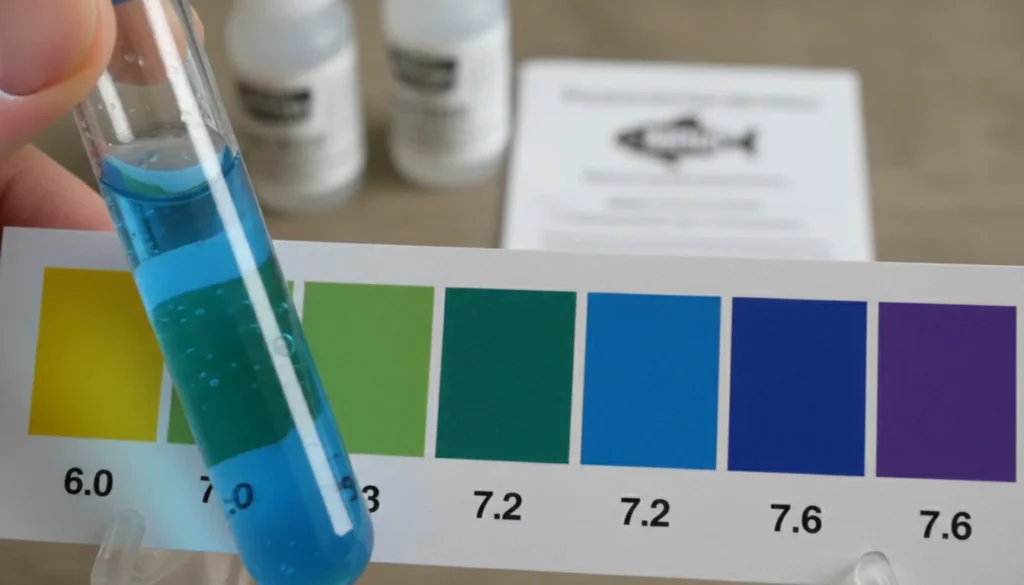
As indicated in the table, some species prefer more acidic water, while others thrive in alkaline conditions. Sudden fluctuations in pH can lead to stress and compromise overall health, lowering the chances of successful spawning. Consistent monitoring and adjustment of pH levels are vital, involving regular testing and potential use of pH buffers to maintain stability. A suitable pH, along with proper temperature and hardness, creates a conducive environment that even encourages courtship behaviors among fish.
In summary, paying close attention to the pH levels in an aquarium is paramount for any successful spawning endeavors. By respecting individual species’ needs, aquarists can foster an environment that not only encourages spawning but also promotes the wellbeing of fish populations as a whole.
Water Hardness (GH and KH)
Water hardness in aquaculture is primarily defined through two key measurements: General Hardness (GH) and Carbonate Hardness (KH). GH represents the concentration of dissolved calcium and magnesium ions in water, while KH reflects the alkalinity, indicating the concentration of bicarbonate and carbonate ions. These two parameters work together to influence the overall quality of the aquatic environment, profoundly affecting fish biology and breeding behavior.
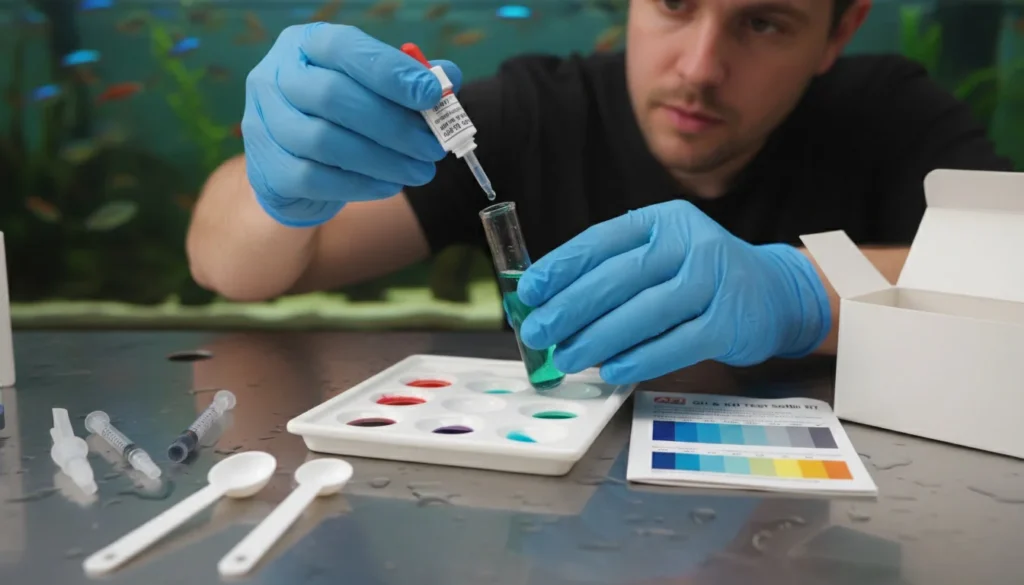
The significance of water hardness lies in its direct impact on osmoregulation, which is the process by which fish maintain internal fluid balance. Fish species adapted to softer waters, such as Tetras or Discus, may experience stress in harder conditions, potentially leading to health issues or inhibited breeding behaviors. Conversely, many species, including Cichlids and livebearers, thrive in harder waters, which can facilitate successful spawning and improve the survival rate of hatchlings.
For optimal spawning conditions, it is crucial to maintain specific hardness levels tailored to the species in question. Generally, a GH range of 3-8 dGH (degrees of General Hardness) is recommended for soft-water species, while medium to hard-water species often prefer levels of 8-15 dGH. KH levels also vary, with soft-water species typically benefiting from 2-4 dKH, while a range of 5-10 dKH is suitable for harder-water fish. Monitoring and adjusting water hardness not only contribute to a stable environment but also ensures that fish are more likely to breed and thrive.
In conclusion, understanding water hardness through GH and KH measurement is essential for aquarists aiming to create a conducive environment for fish spawning. By tailoring these parameters to meet the needs of specific fish species, one can foster a healthy ecosystem that promotes successful breeding and the overall well-being of the aquatic inhabitants.
Other Essential Water Parameters for Spawning
Successful fish spawning relies on various water parameters, in addition to temperature and pH levels. Among these, ammonia, nitrites, nitrates, and dissolved oxygen are crucial in ensuring a conducive breeding environment for aquatic life. Each of these parameters plays a significant role in the overall health of fish and their reproductive success.
Ammonia levels are particularly critical, as elevated concentrations can be toxic to fish. Ideally, ammonia levels should remain at 0 parts per million (ppm). Anything above this threshold can lead to stress, impaired gill function, and even mortality. Regular monitoring and maintenance of water conditions can help prevent toxic buildup, ensuring a safe environment for spawning.
| Parameter | Safe Level | Impact if High |
|---|---|---|
| Ammonia | 0 ppm | Toxic, egg loss |
| Nitrite | <0.25 ppm | Oxygen transport issues |
| Nitrate | <40 ppm | Stress, algae growth |
| Dissolved Oxygen | >5 mg/L | Poor fry survival |
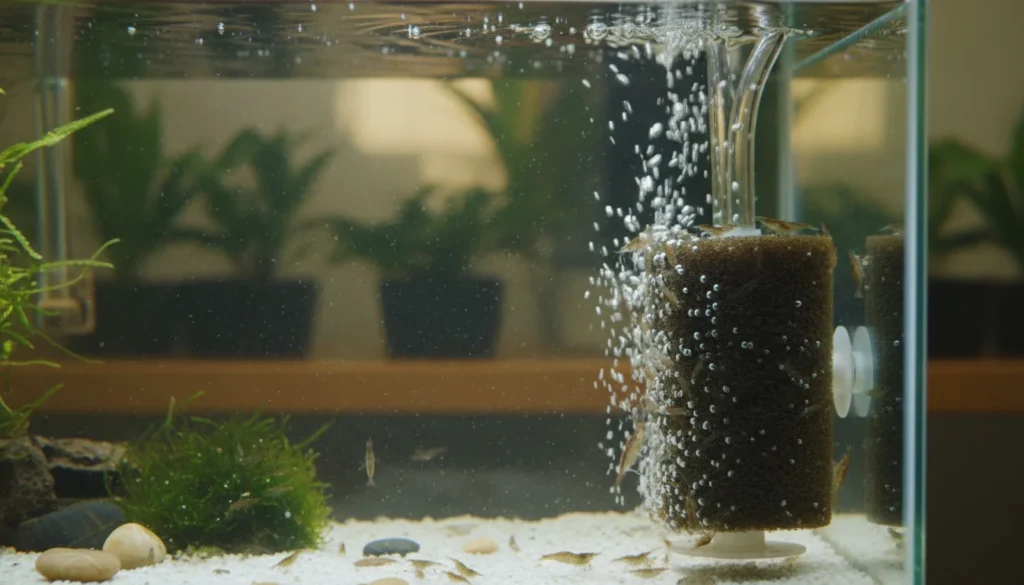
Nitrite levels are another vital parameter to monitor. Nitrite, which results from the breakdown of ammonia, should ideally be kept below 0.25 ppm. Like ammonia, nitrites can hinder the oxygen-carrying capacity of fish blood, leading to potential health issues. Establishing beneficial bacterial colonies through a proper cycling process in the aquarium can assist in keeping nitrite levels in check.
Nitrate levels, meanwhile, are less toxic but still need to be managed. They should be maintained below 40 ppm for optimal spawning conditions. High nitrate levels can promote algal blooms that deplete oxygen and lead to further complications in a breeding environment.
Lastly, dissolved oxygen levels should be maintained at or above 5 mg/l. This is essential for sustaining fish health, particularly during the energy-intensive spawning process. Good aeration and water movement can help increase dissolved oxygen, making sure that fish have the oxygen required for successful breeding.
Monitoring and Adjusting Water Parameters
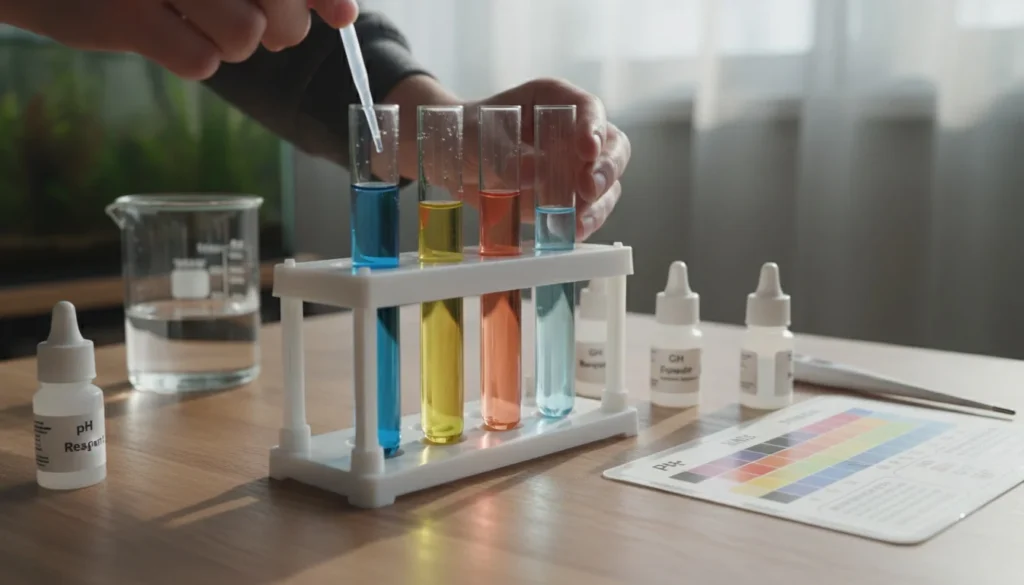
Maintaining optimal water parameters is essential for successful fish spawning in an aquarium. Monitoring and adjusting these parameters can significantly affect the breeding process. Tools such as aquarium test kits and digital monitors play a crucial role in regularly assessing water quality. Typically, these kits analyze key parameters including pH, ammonia, nitrite, nitrate, and hardness. Using a good-quality test kit, one can accurately gauge the status of the aquarium water, ensuring conditions are conducive for breeding.
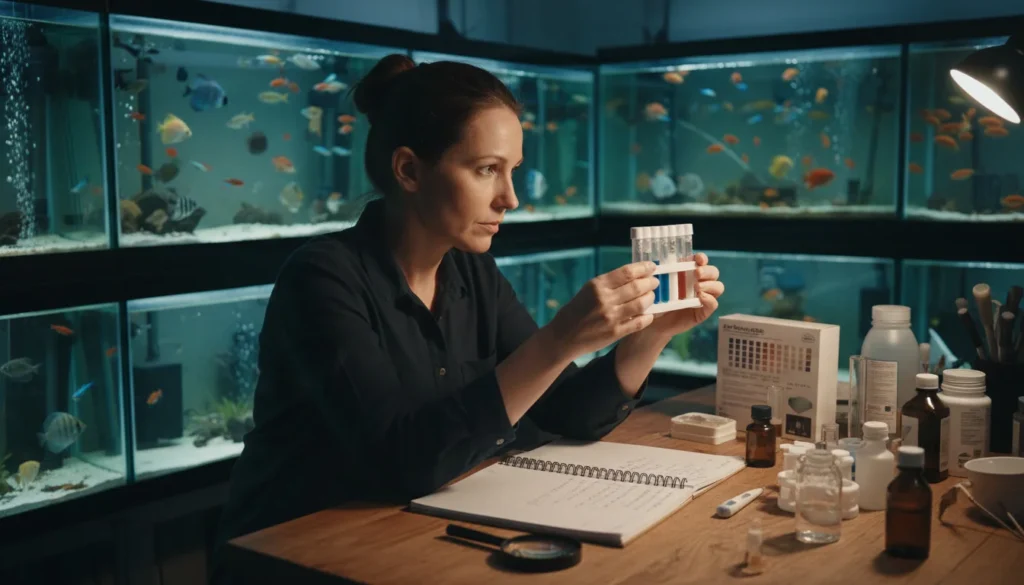
Digital monitors offer a more advanced option, providing real-time feedback on vital parameters. These can be especially useful for detecting fluctuations that could stress the fish. It is advisable to check the water parameters at least once a week or more frequently when breeding is imminent. Consistent monitoring will help establish a baseline, making it easier to spot deviations that may need addressing.
To safely adjust water parameters, gradual changes are essential. For instance, if the pH is too high or low, small adjustments can be made using pH buffers or conditioners, avoiding sudden shifts that could shock the fish. Similarly, if ammonia or nitrite levels are elevated, performing partial water changes will aid in reducing these toxins without altering the tank’s environment drastically.
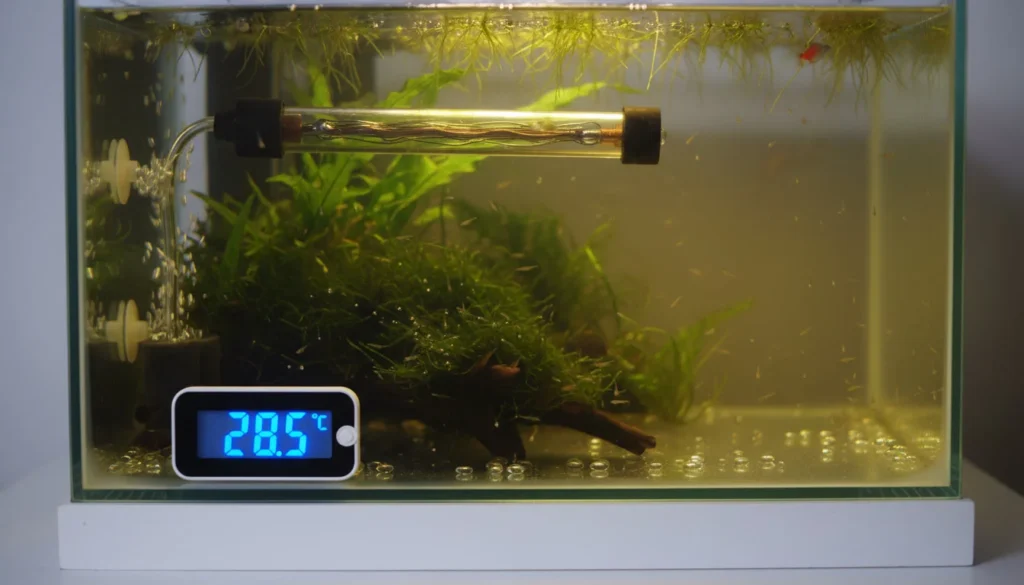
Moreover, maintaining stable water temperature is vital. Using a reliable heater or chiller based on the species’ requirements can ensure fish remain comfortable and stress-free during the breeding process. Regularly testing the temperature with a thermometer will help in confirming consistency.
In conclusion, effective monitoring and adjusting of water parameters is crucial for creating a favorable breeding environment for fish. By employing the right tools and techniques, aquarists can help yield successful spawning outcomes while ensuring the wellbeing of their aquatic pets.
Conclusion
In summary, understanding and managing water parameters is vital for the successful spawning of fish. The optimal conditions vary depending on the species, but key factors such as temperature, pH, hardness, and dissolved oxygen levels play a significant role in creating a conducive environment. Each of these parameters influences not only the spawning process but also the health and survival of both the eggs and the fry.
For instance, maintaining proper temperature is essential as it can affect the metabolic rates and breeding cycles of fish. Similarly, ensuring the right pH level can influence fertilization and embryo development. Additionally, water hardness impacts the availability of vital minerals necessary for fish health and reproductive success.
Moreover, it is crucial for aquarists and fish enthusiasts to conduct regular water tests and to utilize filtration and aeration systems to create stable conditions. The significance of monitoring and adjusting these parameters cannot be overstated, as they will ultimately dictate the outcome of spawning efforts.
We encourage readers to delve deeper into researching the specific requirements of their fish species. Consulting with experts in aquatic biology or ichthyology can provide valuable insights tailored to particular needs. Creating and maintaining optimal water parameters is not just a technical task; it is an essential part of fostering a thriving aquarium ecosystem. By prioritizing these elements, fish enthusiasts can improve their chances of achieving successful spawning endeavors and contribute positively to fish populations.