Introduction
Zebra danios, scientifically known as Danio rerio, are often celebrated as one of the most suitable fish for novice aquarists. This species is particularly favored due to its hardy nature, which allows it to adapt to a wide range of water conditions, making it an ideal first choice for those new to the hobby of fishkeeping. With their attractive horizontal stripes and energetic swimming patterns, zebra danios bring a lively ambiance to any aquarium, captivating both seasoned fishkeepers and beginners alike.
One of the standout features of zebra danios is their playful behavior. These small fish are known for their active swimming and social interactions, creating a vibrant environment in an aquarium setup. Their sociable nature means they thrive in groups, encouraging novice aquarists to keep multiple individuals, which contributes to their overall health and well-being. This characteristic adds to their appeal, as beginners can quickly observe their unique behaviors, enhancing the enjoyment of fishkeeping.
In terms of breeding, zebra danios offer an excellent opportunity for beginners to learn the intricacies of fish reproduction. They are relatively easy to breed, often displaying spawning behaviors readily in a suitable environment. Throughout this article, readers will gain valuable insights into establishing a breeding setup that meets the needs of zebra danios, identifying the differences between male and female fish, and caring for the fry once they hatch. Detailed tips and strategies will be provided, ensuring that even those without prior experience can successfully breed these delightful fish, enjoy the entire process, and foster a deeper appreciation for the art of aquarism.
Understanding Zebra Danios
Zebra Danios, scientifically known as Danio rerio, are small freshwater fish that exhibit distinctive horizontal stripes across their bodies, resembling the pattern of a zebra. Typically, these fish range from 1.5 to 2.5 inches in size, making them manageable for most aquarium settings. Their colors can vary, with some exhibiting shimmering blue or silver stripes paired with yellow or white accents. This vibrant coloration adds dynamic visual appeal to home aquariums, and they are often regarded as centerpiece fish due to their activity and charm.
Originating from the rivers and streams of India and Bangladesh, Zebra Danios thrive in freshwater habitats characterized by warm temperatures and moderate flow. Naturally, they exhibit social behavior, often swimming in schools and displaying a playful demeanor. This sociable nature not only makes them a joy to observe but also enhances their compatibility with various other fish species. Their friendly temperament allows them to coexist peacefully with both small and medium-sized tank mates, making them an ideal choice for community aquariums.
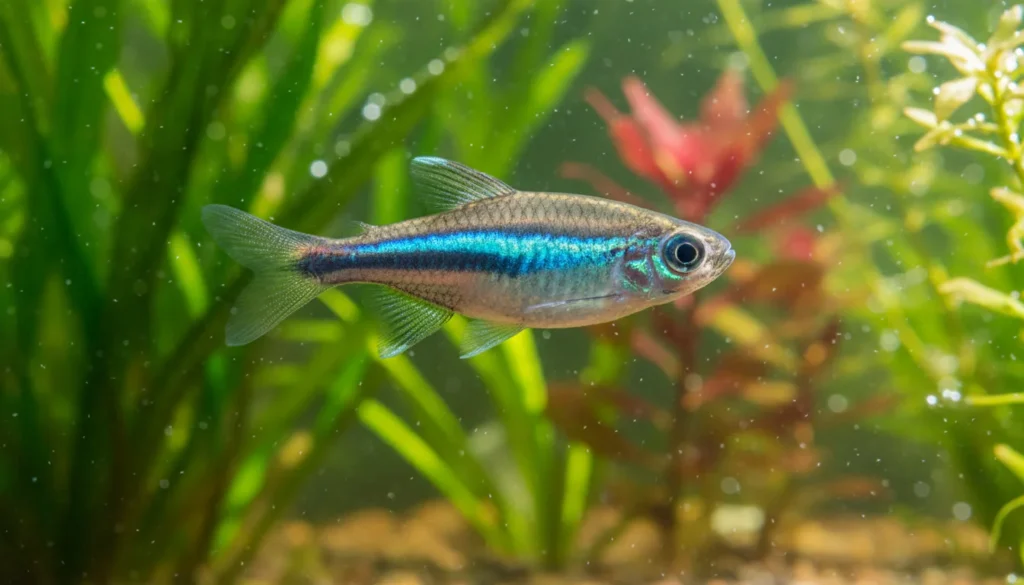
Moreover, Zebra Danios are known for their resilient characteristics, enabling them to adapt to a range of water conditions. This adaptability, combined with their hardiness against common aquarium ailments, renders them particularly suitable for beginner fish keepers. Their simple care requirements, including a varied diet of flakes, live food, and vegetables, further simplify the breeding process and ensure successful integration into a new environment.
| Fact | Details |
|---|---|
| Scientific Name | Danio rerio |
| Size | 1.5 – 2.5 inches |
| Lifespan | 2 – 5 years |
| Diet | Omnivorous (flakes, live food, vegetables) |
Identifying Male and Female Zebra Danios
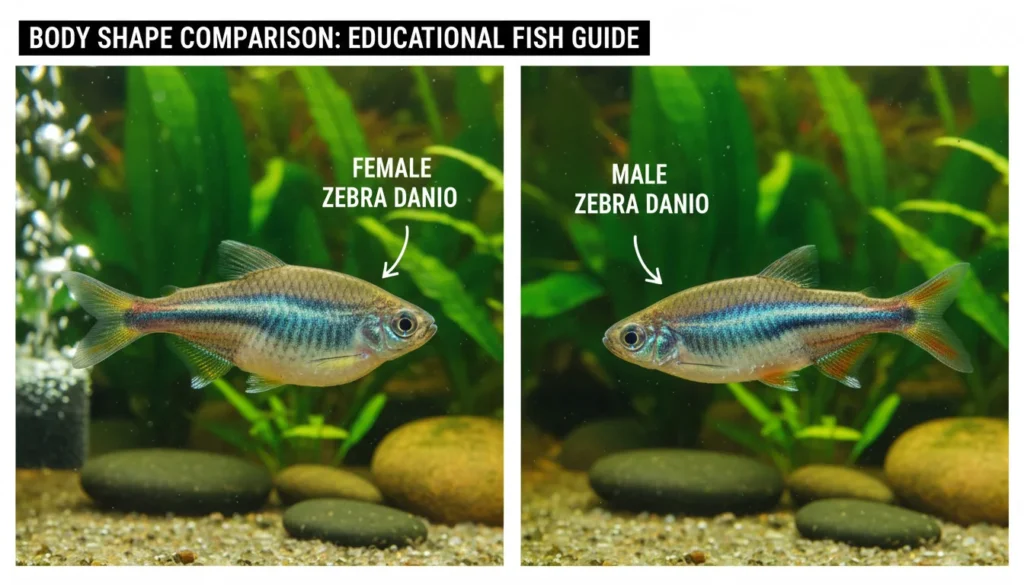
Understanding the differences between male and female zebra danios is essential for successful breeding. There are several distinguishing features that can help aquarists identify the sex of these popular aquarium fish. The most notable differences lie in body shape, size, and coloration, which can offer great insight into their breeding behavior.
Males generally exhibit a slimmer body shape compared to females. This streamlined figure is advantageous during breeding displays, allowing males to dart quickly to attract potential mates. In contrast, females are typically rounder, particularly when they are carrying eggs. This distinction in body shape is crucial, especially during the mating period when females may appear noticeably more rotund due to the presence of eggs.
Coloration plays a significant role in sex identification. Male zebra danios are well-known for their vibrant colors, especially when in breeding condition. They typically exhibit bright blue and yellow stripes, and their overall appearance is more striking, which is instrumental in attracting females. On the other hand, females tend to have a more subdued coloration, appearing duller and less vivid than their male counterparts. This lack of vibrancy is particularly pronounced when females are not in breeding condition.
The table below summarizes the key features for quick identification:
| Feature | Male Zebra Danio | Female Zebra Danio |
|---|---|---|
| Body Shape | Slender | Rounder |
| Size | Usually smaller | Typically larger |
| Coloration | Bright colors | Less vibrant |
By observing these physical characteristics, hobbyists can easily differentiate between male and female zebra danios, facilitating more effective breeding efforts. Understanding these features will not only enhance the breeding experience but also promote healthier populations of this beloved species.
Setting Up a Breeding Tank
Setting up an optimal breeding tank is crucial for successful zebra danio breeding. The recommended tank size for breeding zebra danios is a minimum of 10 gallons, which provides enough space for the fish to swim freely and reduces territorial disputes. In addition, a larger tank can help maintain stable water conditions, which are essential for breeding.
Water parameters play an essential role in the health and breeding success of zebra danios. Ideally, the water temperature should be maintained between 76°F to 82°F (24°C to 28°C). The pH level should range between 6.5 and 7.5, while the hardness of the water should be between 5-20 dGH. Regular testing of these parameters is critical to ensure that they remain stable, and any fluctuations should be corrected promptly.
Filtration systems are also important when establishing a breeding environment. A gentle filtration system is preferable since strong currents can stress the fish and hinder breeding. A sponge filter is often recommended, as it provides adequate aeration while being gentle on the fish.
Lighting conditions should support a natural day-night cycle to mimic the zebra danios’ natural habitat. Providing 10-12 hours of light followed by a period of darkness can encourage breeding behaviors, as the right lighting conditions promote the growth of beneficial algae and plants in the tank.
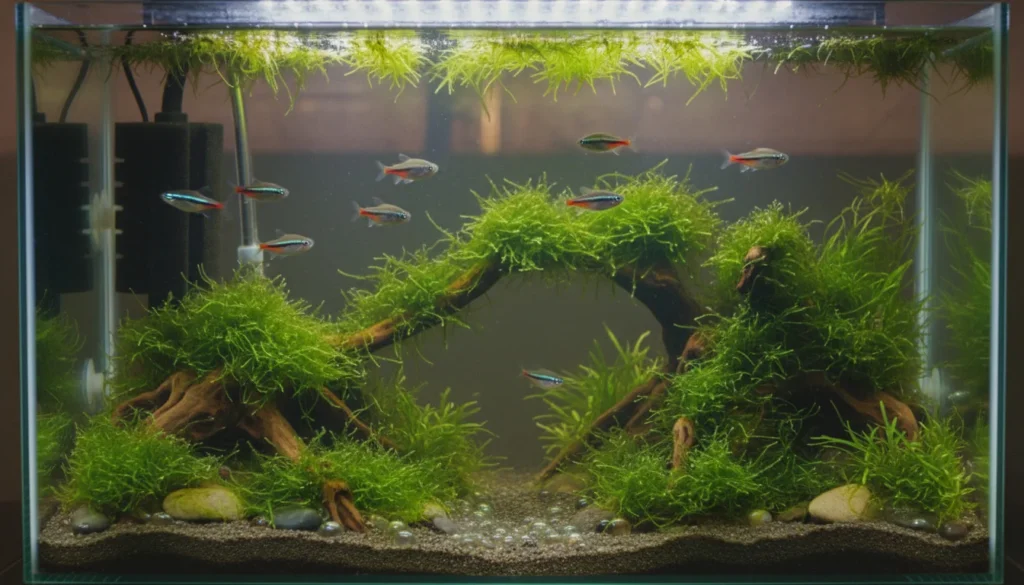
Including live plants or decorations in the tank can help create a more suitable breeding environment for zebra danios. Java moss, for example, provides a spawning surface for the eggs, while also offering a refuge for the fry once they hatch. It is essential to avoid sharp decorations that may harm the fish.
Creating a stress-free environment is vital for both male and female zebra danios during the breeding process. Ensuring proper living conditions, stable water parameters, and a suitable breeding environment will increase the likelihood of successful spawning.
| Breeding Tank Condition | Recommended Values |
|---|---|
| Tank Size | Minimum 10 gallons |
| Temperature | 76°F – 82°F (24°C – 28°C) |
| pH Level | 6.5 – 7.5 |
| Water Hardness | 5 – 20 dGH |
| Filtration | Gentle sponge filter |
| Lighting | 10 – 12 hours daily |
Conditioning Zebra Danios for Breeding
Seasonal breeding among Zebra Danios can be effectively encouraged through proper conditioning. A crucial aspect of this preparation involves enhancing their diet with nutrient-rich, high-protein foods that naturally stimulate breeding behaviors. These foods play a significant role in improving the overall health of the fish, leading to better reproductive performance. Foods high in protein assist in the production of gametes for both male and female Zebra Danios, promoting their readiness for spawning.
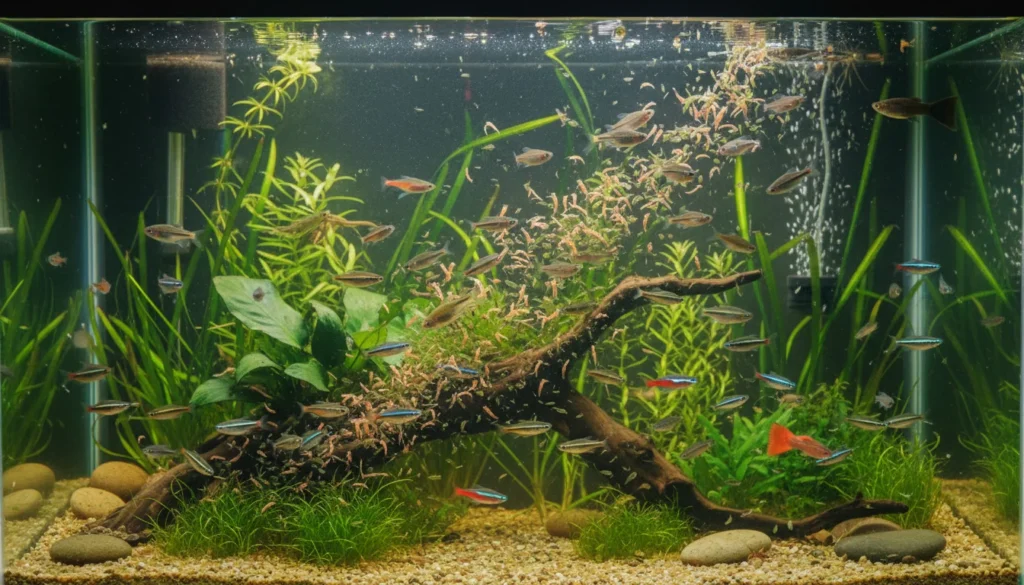
Prior to initiating breeding, it is advisable to separate male and female Zebra Danios. This separation not only minimizes stress but also increases their eagerness to mate when reintroduced. Maintaining a controlled environment that replicates their natural habitat can further heighten their chances of successful breeding. The introduction of natural elements such as plants may help them feel more secure, promoting healthy interactions once they are reunited.
| Food Type | Benefits |
|---|---|
| Flake Food (High Protein) | Comprehensive nutrition promoting growth and vitality. |
| Brine Shrimp | Rich in protein, ideal for stimulating spawning behavior. |
| Daphnia | Promotes natural foraging behavior while providing nutrients. |
| Bloodworms | Exceptional protein source that enhances readiness for breeding. |
| Freeze-Dried Foods | Convenient option packed with nutrients conducive to health. |
By incorporating these feeding techniques and proper conditioning steps, hobbyists can significantly increase their chances of successfully breeding Zebra Danios. Attention to diet, environment, and the dynamics between males and females lays a solid foundation for a prosperous breeding cycle, ensuring optimal conditions for both parents and potential fry.
The Zebra Danio Breeding Process
Breeding Zebra Danios is an exciting process that requires attentiveness and patience. Prior to breeding, it is essential to identify a healthy male and female pair. Generally, males are slimmer and more colorful, while females tend to be rounder, especially when filled with eggs. To encourage breeding, it is advisable to condition the fish with a nutritious diet rich in protein for several days, which can include live or frozen foods such as brine shrimp and daphnia.
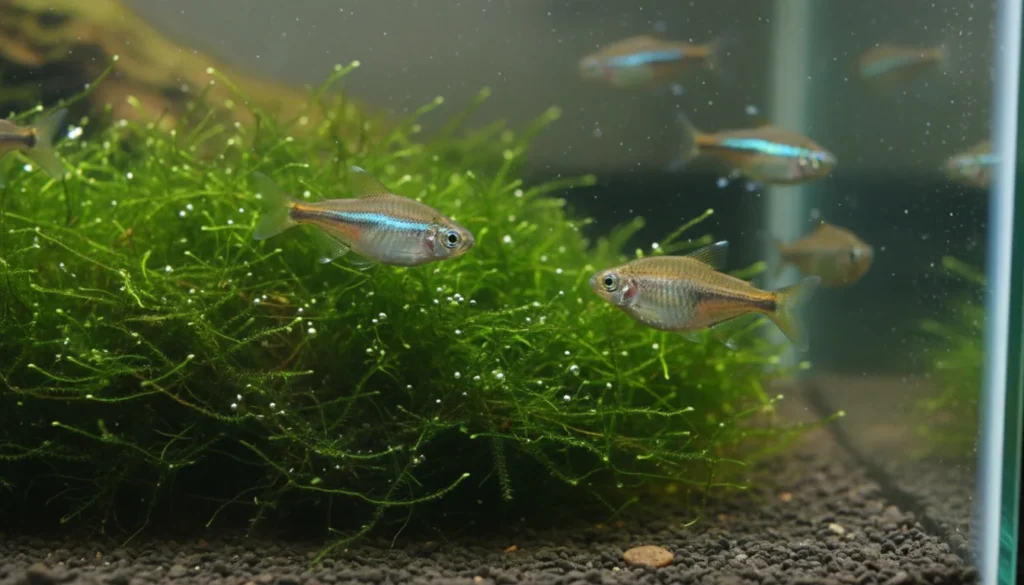
When the breeding is imminent, the environment plays a critical role. Setting up a spawning tank with gentle filtration and plenty of fine-leaved plants such as Java moss or spawning mops will facilitate the breeding process. These plants serve as a refuge, providing cover for the eggs. It is also helpful to maintain slightly warmer water temperatures of around 76-82°F and ensure the water is clean and stable.
During the actual breeding event, which is often triggered by a rise in temperature and lighting conditions, males will exhibit vibrant colors and become highly active. This courtship ritual involves the male chasing the female, gently nudging her to prompt spawning. The female will then scatter her eggs amongst the plants while the male fertilizes them immediately, often taking care to chase away other fish to protect the spawning area.
Post-breeding, it is crucial to remove the adult fish from the spawning tank to prevent them from consuming the eggs. The fertilized eggs will typically hatch within 24-48 hours. Observing this process can be immensely rewarding, particularly witnessing tiny fry emerging and beginning their journey in life. Throughout this thrilling experience, maintaining optimal tank conditions remains vital for the fry’s survival and growth, ensuring a successful breeding outcome.
Zebra danios are known to be attentive and caring parents, but their natural instinct may prompt them to consume their own eggs shortly after spawning. This behavior can be attributed to several reasons, including the inclination to maintain a clean environment within their tank and the need to eliminate potential threats to their fry. As a result, breeders often face the challenge of protecting the eggs from parental predation. Various strategies can be employed to safeguard these eggs, ensuring a higher hatching rate and healthy offspring.
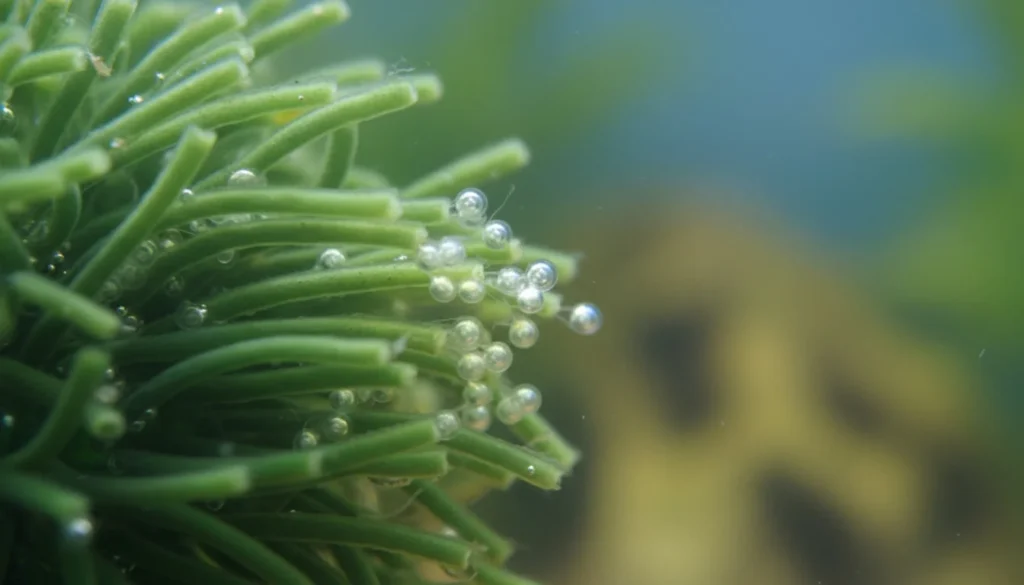
One effective method involves transferring the fertilized eggs to a separate tank immediately after spawning. This isolation prevents the adult zebra danios from consuming the eggs. When moving the eggs, it is crucial to handle them gently to avoid damage. Additionally, ensuring that the new tank is adequately prepared – with appropriate water conditions and an established filtration system – will promote the future health of the hatchlings.
Another commonly used technique is the implementation of spawning mop plants, which are designed to mimic the natural environment of zebra danios and provide a safe space for eggs to adhere to. These mops can be made from synthetic materials and suspended in the tank to offer a refuge for the eggs while keeping them out of reach from the adults. Furthermore, the use of spawning mops allows for easier management and collection of the eggs when it is time to transfer them.
| Method | Description |
|---|---|
| Separate Tank | Transfer fertilized eggs to another tank to prevent adult consumption. |
| Spawning Mop | Use synthetic materials in the tank for eggs to attach, keeping them safe from adults. |
| Egg Traps | Utilize egg trapping devices that prevent adult access but allow eggs to develop. |
By employing these protective measures, breeders can greatly enhance the survival rate of zebra danio eggs, increasing the potential for successful breeding outcomes.
Hatching and Caring for Fry
The process of hatching zebra danio eggs is an intriguing milestone for any new breeder. After fertilization, zebrafish eggs typically take approximately 24 to 48 hours to hatch, depending on the temperature of the water and overall tank conditions. Ideal water temperature for egg incubation should be maintained between 75°F to 80°F (about 24°C to 27°C), as this accelerates the hatching process. It is vital to ensure a clean tank environment, as contaminants can inhibit successful hatching.
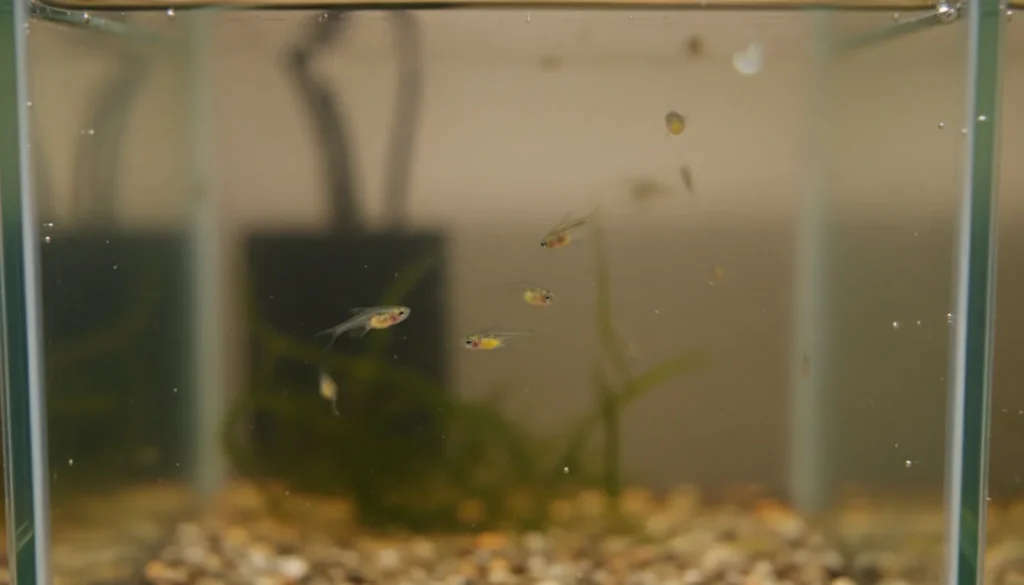
Once the fry emerge, they are incredibly small and delicate. During the initial days after hatching, zebra danio fry will survive on their yolk sacs, which provide essential nourishment. New breeders should avoid overfeeding and maintain stable water conditions to help the fry adjust to their surroundings. After approximately three to four days, the yolk sac will diminish; thus, it’s crucial to begin introducing finely crushed flake food or specialized fry food. Providing proper nutrition during this phase is essential for optimal growth and development.
To facilitate the growth of zebra danio fry, the tank conditions must be ideal. A separate, well-ventilated breeding tank with clean, dechlorinated water is recommended. The fry should be kept in a quiet environment devoid of strong currents or excessive lighting. These conditions can significantly reduce stress and promote healthy growth. A tank with gentle filtration and ample space for swimming will also benefit the fry.
Below is a suggested feeding schedule for zebra danio fry to help guide new breeders during this crucial growth stage:
| Age | Feeding Schedule |
|---|---|
| 1–3 Days | Yolk sac only |
| 4–7 Days | Feed 3 times daily with finely crushed flake food |
| 1–2 Weeks | Feed 4 times daily with baby brine shrimp or specialized fry food |
| 2–4 Weeks | Feed 5 times daily with finely crushed flake food and baby brine shrimp |
By adhering to this feeding schedule and maintaining optimal tank conditions, you can significantly enhance the survival rates and overall health of your zebra danio fry. Proper care during this early stage will ultimately set the stage for their future development.
Common Problems in Zebra Danio Breeding
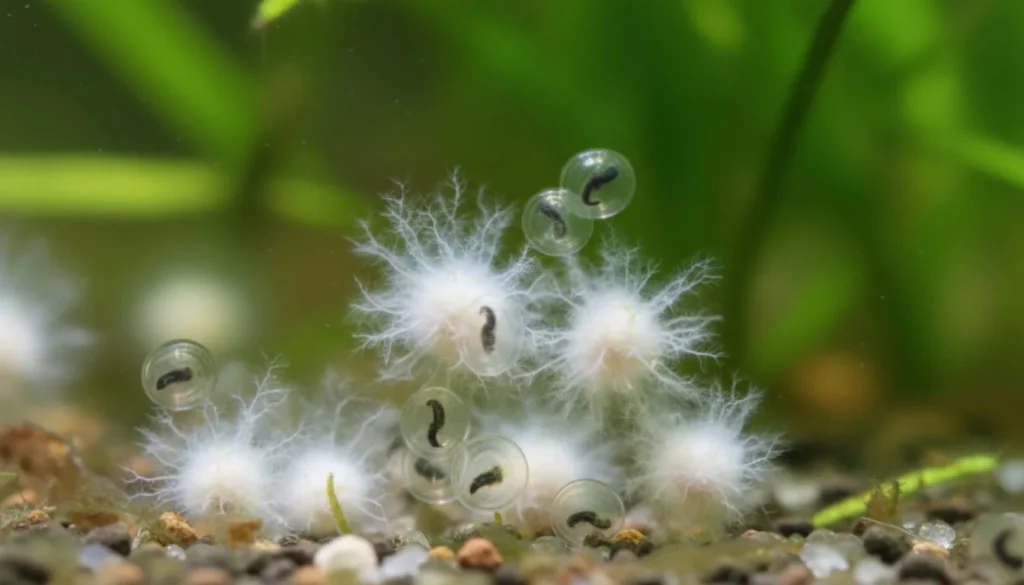
Breeding Zebra Danios can present several challenges, particularly for novice aquarists. One common issue faced during breeding is the occurrence of fungal infections on the eggs. These infections typically arise in environments where water quality is compromised, such as excess waste or insufficient oxygen levels. To mitigate this problem, maintaining pristine water conditions is crucial. Regular changes and ensuring adequate filtration can help prevent fungal growth and protect the eggs during the incubation period.
Another significant concern among breeders is the low hatch rate of Zebra Danio eggs. Factors influencing hatch rates often include the age and health of the breeding pair, as older fish may yield less viable eggs. Additionally, fluctuations in water temperature and pH can adversely affect egg hatching. Aquarists should maintain stable water parameters and monitor the breeding pair’s health to improve the chances of viable eggs hatching successfully.
Once the fry have hatched, the survival of these tiny fish can also be a challenge. Fry often succumb to stress, competition for food, and inadequate nutrients. Providing the right environment is essential; this includes using specialized fry food and avoiding overcrowding in the rearing tank. Seasoned aquarists often recommend separating the fry into smaller groups, ensuring each group has adequate space and access to food. Furthermore, introducing proper levels of aeration can aid in fry survival by preventing stagnant water and promoting a healthier environment.
In summary, while breeding Zebra Danios can be rewarding, attention to detail regarding water quality, environmental stability, and post-hatch care is essential to counteract the common challenges faced during the breeding cycle.
Tips for Successful Zebra Danio Breeding
Breeding Zebra Danios can be a rewarding venture for aquarists, and following some practical tips can significantly enhance the chances of success. One of the first aspects to consider is maintaining optimal water conditions. Zebra Danios thrive in a tank with a temperature range of 72°F to 78°F (22°C to 26°C) and a pH level of about 6.5 to 7.5. Regular water changes and a reliable filtration system will help maintain these conditions, fostering a healthy environment conducive to breeding.
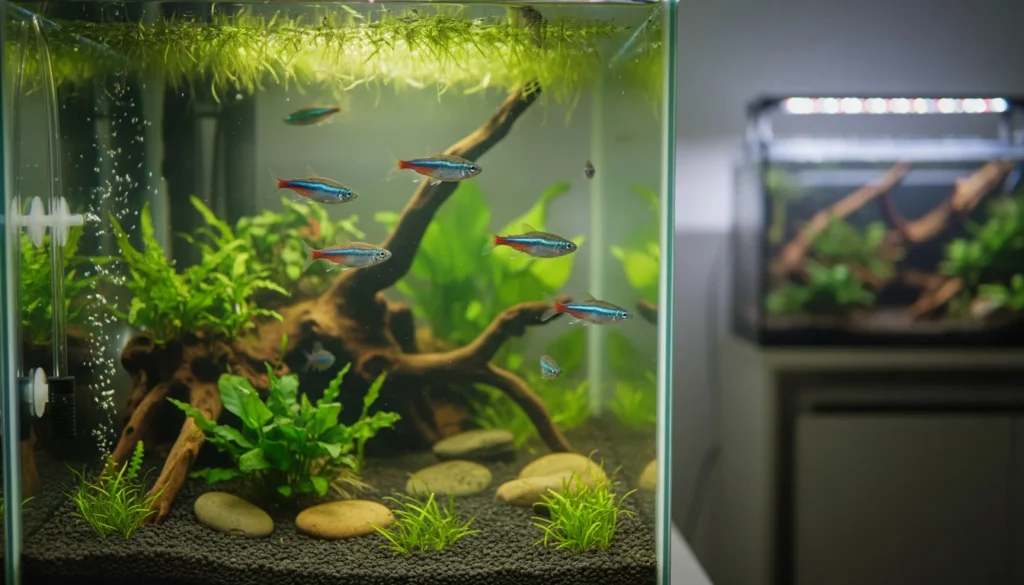
Observing the behavior of your Zebra Danios is crucial during the breeding process. Generally, the males will exhibit more vibrant colors and become quite aggressive in courting females. Keep a close watch during these interactions, as it is during these displays that spawning typically occurs. Once a male has successfully attracted a female, they will engage in a zig-zag dance that signals readiness to spawn. Providing ample hiding spaces, such as plants or spawning mops, can help both encourage breeding and give the fry a safe space to grow after hatching.
Another key tip is to keep meticulous records of spawning events and fry growth. Documentation not only aids in tracking successful pairings but also allows for analysis of the conditions leading to productive breeding. Note the dates of spawning, water parameters at the time, and the number of fry produced. Over time, this information can provide valuable insights into the optimal conditions for breeding Zebra Danios in your specific setup.
Utilizing live or high-quality fry food can accelerate the development of the young Zebra Danios. Incorporating these considerations into your breeding strategy will increase your chances of successfully rearing the next generation of these delightful fish. With attention to water conditions, observation of behavior, and careful record-keeping, beginners can embark on a fulfilling journey into the world of Zebra Danio breeding.
Conclusion
In summary, breeding zebra danios can be a rewarding and enjoyable endeavor for both novice and seasoned aquarists. By following the steps outlined in this guide, you can create an environment conducive to successful breeding, ensuring the health and vitality of both the adult fish and their offspring. Careful attention to water quality, diet, and habitat setup is essential in promoting a thriving breeding colony of zebra danios.
As highlighted throughout the article, the breeding process involves monitoring various factors, including temperature, nutrition, and tank conditions, which play a critical role in spawning and raising fry. Understanding the behavioral cues of zebra danios and recognizing the importance of separating breeding pairs can further enhance your success rate.
Moreover, nurturing zebra danios from eggs to fully developed fish not only fosters a connection to the aquatic world but also provides a great sense of accomplishment. Watching the fry grow and thrive can bring immense satisfaction, as you witness the fruits of your labor in the tank. Such experiences often cultivate a deeper appreciation for aquatic life and may inspire hobbyists to venture further into the realm of fish breeding.
Therefore, we encourage you to embark on this journey of breeding zebra danios. With patience, dedication, and the guidance provided, you can successfully breed these delightful fish and witness the joy that comes from nurturing them. Embrace the challenge, learn from the process, and enjoy the rewarding experience that breeding zebra danios offers.