Introduction
In the intricate world of fish breeding, the process of conditioning breeding pairs is paramount in ensuring the successful production of healthy fry. Conditioning refers to the preparation of breeding fish through optimal environmental and nutritional practices. This stage is not only critical for enhancing the health and vitality of the adult fish but also plays a significant role in affecting the growth and development of their offspring.
The significance of conditioning cannot be overstated; it involves providing breeding pairs with a well-balanced diet rich in essential nutrients that promote physiological readiness for spawning. This preparation helps the fish achieve optimal health, which is crucial for producing viable eggs and healthy sperm, ultimately ensuring a higher survival rate for the fry. A well-conditioned pair exhibits better behaviors during breeding, including increased spawning success and improved parental care.
To support these breeding pairs effectively, it is essential to include a variety of nutritious food options in their diet. The quality and diversity of food not only enhance the fish’s body condition but also improve the nutritional value of the eggs produced. In this blog post, we will explore the top five food options that are highly beneficial for conditioning breeding pairs. These foods include staple ingredients such as high-protein pellets, live foods, frozen options, and more specialized supplements, each offering unique benefits for the promoting health of breeding fish. By focusing on these key food sources, aquarists can significantly increase the chances of producing healthy and robust fry.
Why Conditioning Food Matters
Nutrition plays a pivotal role in the success of fish breeding, influencing key factors such as egg production, fertility rates, and fry survival. The specific dietary selections made during the conditioning phase can either foster or hinder these reproductive outcomes. When breeding pairs are provided with high-quality nutrition, the likelihood of achieving optimal reproductive success significantly increases.
High-protein foods, in particular, are crucial in conditioning breeding pairs. These foods supply essential amino acids that contribute to the development and maturation of gametes—sperm and eggs. The physiological processes responsible for generating viable eggs and sperm are heavily reliant on the availability of these nutrients. Moreover, incorporating live foods such as brine shrimp and daphnia into the diet ensures that the breeding pairs receive vital fats and vitamins, which are less prevalent in dry or processed foods.
An adequately balanced conditioning diet not only enhances the reproductive capabilities of fish but also strengthens their overall health and resilience against stressors. Fish that receive appropriate nutrients are more likely to produce higher numbers of healthy eggs, resulting in increased fry counts. Additionally, the survival rates of fry are often directly correlated with the nutrition provided to the breeding pairs. Higher-quality diets contribute to stronger fry that are better equipped to adapt to their environment, showcasing improved growth rates and overall vitality.
Ultimately, the significance of conditioning food cannot be overstated for anyone striving for successful fish breeding. By focusing on nutrient-rich options, breeders can enhance the performance of their breeding pairs and improve the chances of raising a thriving population of healthy fry.
Top 5 Best Foods for Conditioning Breeding Pairs
Proper nutrition is essential for conditioning breeding pairs, as it directly affects their health and the viability of their fry. The following options are among the best foods for fostering breeding success:
1. Live Brine Shrimp
Live brine shrimp are a rich source of protein and omega-3 fatty acids, which are crucial for the reproductive success of many fish species. They provide excellent nutrition for fish such as cichlids, guppies, and tetras. When feeding live brine shrimp, it is beneficial to offer them multiple times a day to stimulate spawning behavior.
2. Bloodworms
Bloodworms are high in protein and are particularly beneficial during the conditioning phase. They are suitable for various species, including bettas and gouramis. To ensure optimal health and reproductive performance, bloodworms should be offered as a treat, around three times weekly. It is essential to use high-quality, preferably frozen bloodworms to avoid risk of contamination.
3. Daphnia
Daphnia, or water fleas, are another excellent food option rich in protein and essential fatty acids. They have a stimulating effect on breeding activity and are suitable for many small fish such as neon tetras and danios. Regular feeding can keep breeding pairs healthy and trigger spawning: it is advisable to provide daphnia two to three times a week.
4. Blackworms or Tubifex
These aquatic worms are highly nutritious and known for their high protein content, making them an ideal food for conditioning. Breeding pairs of species like angelfish and platies thrive on blackworms or tubifex. Feeding these should be limited to two to three times a week to maintain a balanced diet.
5. High-Quality Pellets or Flake Food
While not as rich as live foods, high-quality pellets or flake food can provide a complete nutritional spectrum for conditioning breeding pairs. Look for options that list fish meal or whole proteins as primary ingredients. These foods should form the base of their diet and can be offered at each feeding to ensure all essential nutrients are being supplied.
| Food | Protein Level | Feeding Frequency |
|---|---|---|
| Live Brine Shrimp | High | Daily |
| Bloodworms | Very High | 2–3 times/week |
| Daphnia | Medium | 2–3 times/week |
| Blackworms / Tubifex | High | 2–3 times/week |
| High-Quality Pellets / Flakes | Balanced | Every feeding |
Incorporating these foods into the diet of breeding pairs not only promotes their health but also increases the likelihood of producing strong, healthy fry.
Live Brine Shrimp
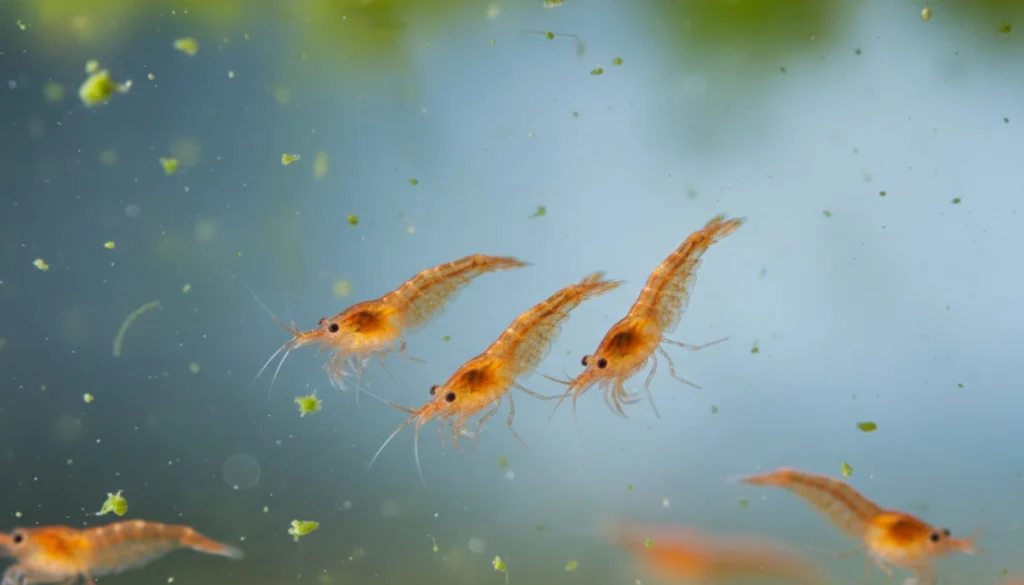
Live brine shrimp, scientifically known as Artemia, is one of the most beneficial foods for conditioning breeding pairs, particularly for species of fish that require high levels of protein and essential nutrients. This feed serves as an excellent source of nutrition, providing significant amounts of protein which is crucial for the health and vitality of breeding fish. The high protein content in live brine shrimp aids in promoting optimal reproductive conditions, ensuring that both parents are in prime condition to produce healthy fry.
In addition to protein, live brine shrimp is also rich in essential vitamins, including A, E, and various B vitamins, which play a pivotal role in enhancing overall health and immune function. The vitamins found in live brine shrimp support the developmental needs of fish during breeding, and they contribute to the vitality of the fry as they grow. Consequently, many fish species, such as guppies, angelfish, and bettas, significantly benefit from the inclusion of live brine shrimp in their diet, both during the conditioning phase and throughout their breeding cycles.
To effectively incorporate live brine shrimp into the diet of breeding pairs, it is recommended to offer this nutritious food multiple times a week, ideally every other day, to ensure the breeding fish receive adequate protein without causing digestive issues. A feeding approach that combines live brine shrimp with other high-quality feeds can create a balanced diet and maximize the health benefits for breeding pairs. Additionally, providing small portions at a time will prevent excess food from polluting the water, thus maintaining optimal water quality for the breeding pairs.
Bloodworms
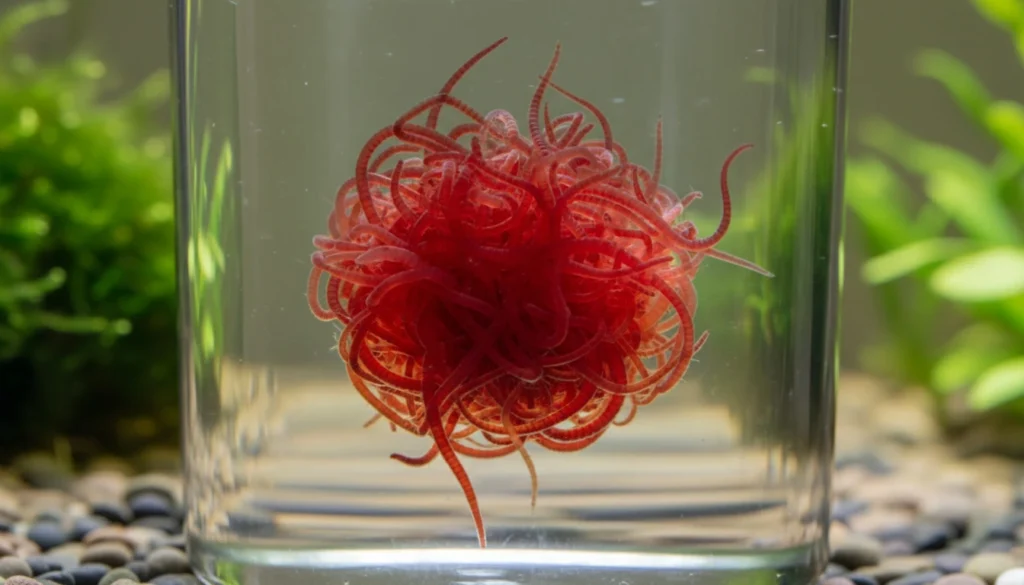
Bloodworms, the larvae of non-biting midge flies, are recognized as a premium food choice for conditioning breeding pairs in aquatic habitats. Their rich nutrient profile makes them a valuable addition to the diets of various fish species, particularly those that are in the process of breeding. They are packed with proteins, essential fatty acids, vitamins, and minerals that significantly enhance the health and development of both breeding pairs and their offspring.
The high protein content in bloodworms plays a crucial role in stimulating the reproductive behaviors of fish. This dietary component supports gonadal development, thus boosting fertility rates. Additionally, the nutritious fats found in bloodworms provide the necessary energy required during breeding cycles. The vibrant red color of bloodworms also serves as a visual stimulus for fish, encouraging them to feed more vigorously.
Species such as Betta fish, Cichlids, and Guppies particularly benefit from the inclusion of bloodworms in their diet, as they mimic the natural prey these fish would encounter in the wild. Incorporating bloodworms into their feeding routine can be achieved by offering them as a treat in conjunction with a balanced diet or as a primary food source during the breeding period.
To effectively include bloodworms in the feeding regimen, consider alternating between freeze-dried and live varieties, as both options can provide the essential nutrients needed. Moderation is key; excess feeding should be avoided to prevent water quality issues in the aquarium. Regular monitoring of fish behavior and health after introducing bloodworms is also essential, ensuring that they are well-received and contributing positively to the breeding process.
Daphnia
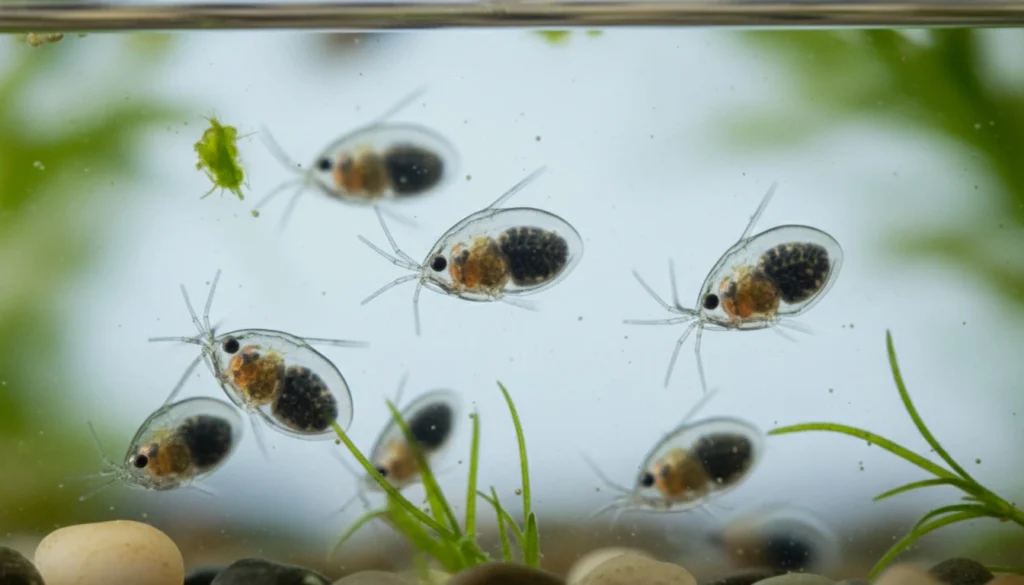
Daphnia, commonly known as water fleas, is an excellent live food option for conditioning breeding pairs of fish. They are tiny crustaceans that are highly nutritious and serve as a significant source of essential fatty acids and protein, both critical for the health of breeding pairs and their fry. The high protein content in Daphnia supports the development of strong, healthy fish offspring. Moreover, Daphnia is rich in omega-3 fatty acids, which are crucial for optimal growth and reproductive success.
Several species of fish thrive on Daphnia, making it a versatile feeding choice. Popular freshwater species that can benefit from Daphnia inclusion in their diet include bettas, guppies, and angelfish. In addition, many marine species such as clownfish and damselfish also appreciate Daphnia as a part of their diet. Offering Daphnia to these fish can enhance their overall health and bolster their reproductive performance.
When incorporating Daphnia into the feeding regimen of breeding pairs, there are several best practices to follow. Firstly, ensure that the Daphnia is sourced from a reliable supplier to avoid introducing pathogens into the aquarium. It is best to introduce Daphnia live, as its movement can stimulate the interest of breeding fish. Additionally, providing a small and controlled amount often prevents overfeeding and ensures that all fish can access this nutritious food.
Finally, it is advisable to feed Daphnia 2-3 times a week in conjunction with other high-quality foods to achieve a balanced diet. This approach will aid in ensuring breeding pairs remain in optimal condition, ultimately resulting in a successful spawning process and healthy fry.
Blackworms or Tubifex
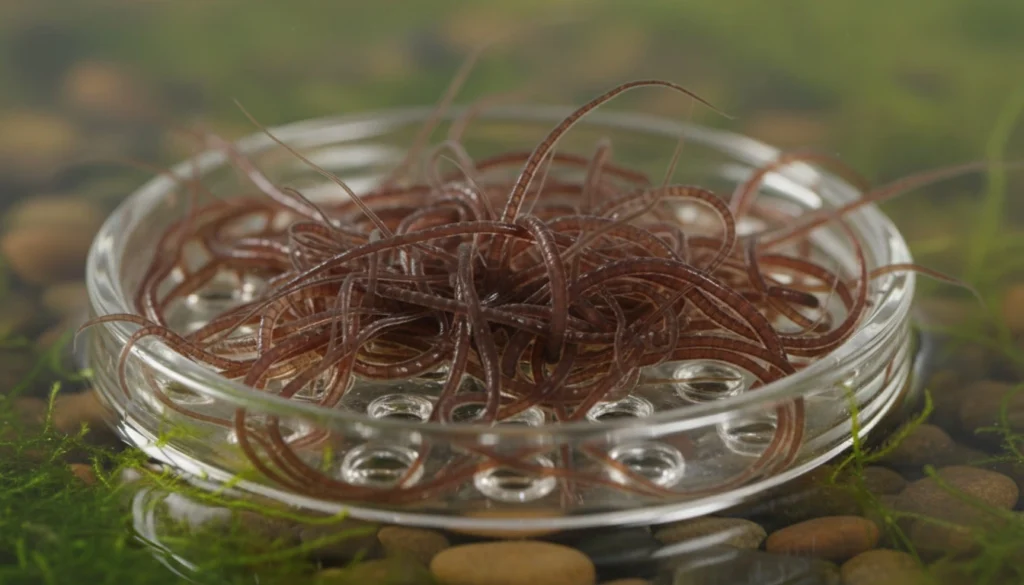
Blackworms and tubifex are aquatic annelids that serve as exceptional live food choices for conditioning breeding pairs of fish. These worms are rich in essential nutrients, particularly protein, which is crucial for maintaining the health of breeding fish and enhancing the development of fry. The high protein content in blackworms and tubifex promotes muscle growth and overall vitality, making them an ideal dietary supplement during the breeding season.
Blackworms, in particular, are renowned for their ability to stimulate the hunting instinct in many fish species. They are particularly beneficial for conditioning species such as cichlids, bettas, and guppies, which thrive on this nutrient-dense food. Tubifex worms, on the other hand, are favored by species like goldfish and certain catfish, which benefit from their rich lipid content that contributes to energy and reproductive health.
Feeding recommendations suggest offering blackworms or tubifex at least 2-3 times per week to breeding pairs to maximize their effectiveness. Introducing these worms into the diet can significantly optimize fish readiness for breeding. It is important to ensure that these worms are sourced from reputable suppliers to avoid introducing pathogens into the aquarium ecosystem.
In addition to their nutritional properties, blackworms and tubifex are easy to digest, reducing the risk of digestive complications in fish. They can be offered live or rinsed prior to presentation in order to enhance palatability. It is also beneficial to observe the feeding behavior of the fish, ensuring that they are consuming an adequate quantity, which will reflect their conditioning status. By incorporating blackworms or tubifex into their diet, aquarists can provide significant support to breeding pairs, ultimately leading to healthier fry.
High-Quality Pellets or Flake Food
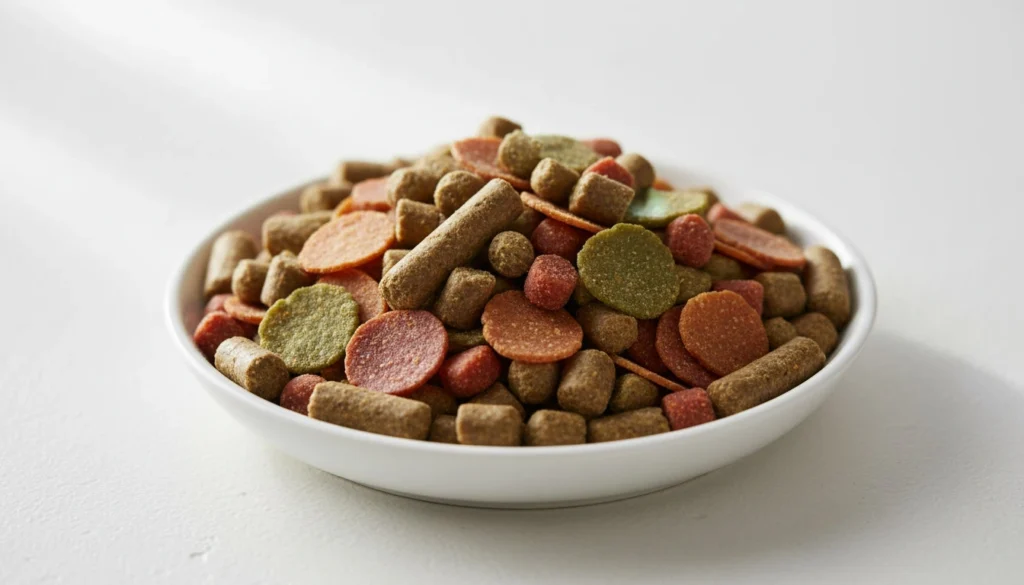
High-quality pellets or flake food serves as an essential supplement in the conditioning diet for breeding pairs, providing critical nutrients that aid in overall health and reproductive success. Such foods are typically formulated to meet the specific dietary needs of fish, particularly during the breeding cycle, when nutritional demands increase significantly. Many commercial brands offer specialized products containing a balanced mix of proteins, vitamins, and minerals essential for the growth and development of healthy fry.
The advantage of using high-quality pellets or flake food lies in their convenience and consistent nutrient profile. These foods are designed to float or sink based on the species’ feeding habits, making it easier for fish to consume an adequate amount without significant waste. Additionally, many premium brands incorporate natural ingredients and are free from fillers and artificial additives, ensuring that breeding pairs receive the best possible nutrition.
When selecting high-quality pellets or flake food, it is advisable to look for brands that use whole fish or specific protein sources as their primary ingredients. Notable brands such as Hikari, Omega One, and New Life Spectrum have garnered positive reviews from aquarists for their high palatability and digestibility. These foods often include essential fatty acids and color enhancers, which can aid in the health of the breeding pairs and potentially improve the appearance of the fry.
In addition to promoting reproductive health, high-quality pellets or flake foods can ensure that breeding pairs are healthy enough to produce viable fry. Ensuring that fish are fed a well-rounded diet with these high-quality foods, alongside fresh, natural foods, can lead to a more successful breeding process and ultimately healthier offspring.
Feeding Schedule for Conditioning Breeding Pairs
Establishing an effective feeding schedule for conditioning breeding pairs is integral to fostering a conducive environment for the successful development of healthy fry. A structured routine assists in optimizing the pairs’ health and vitality, both of which are essential factors in ensuring high breeding success rates. Typically, conditioning should involve a high-quality diet that meets the nutritional needs of the breeding pairs, which generally entails a combination of protein-rich foods and supplemental vitamins.
A recommended feeding frequency for breeding pairs consists of two to three times daily feedings. This schedule not only maintains the energy levels of the breeding pairs but also encourages the development of robust eggs. Portion control is crucial; thus, it is advisable to provide only what the fish can consume within a few minutes during each feeding session. Overfeeding can lead to refusal of the food, water quality issues, and potential health problems.
To illustrate an effective weekly feeding schedule, consider the following example:
- Monday: 8:00 AM – High protein pellets; 4:00 PM – Brine shrimp.
- Tuesday: 8:00 AM – Frozen daphnia; 4:00 PM – High-quality flake food.
- Wednesday: 8:00 AM – High protein pellets; 4:00 PM – Frozen cyclops.
- Thursday: 8:00 AM – Live food offering; 4:00 PM – Brine shrimp.
- Friday: 8:00 AM – High-quality flake food; 4:00 PM – Frozen daphnia.
- Saturday: 8:00 AM – High protein pellets; 4:00 PM – Frozen cyclops.
- Sunday: 8:00 AM – Live food offering; 4:00 PM – Offer any leftover food items from the week.
This schedule is merely an example and can be adjusted according to specific needs and preferences of the breeding pairs. Furthermore, regular observation of the fish’s behavior and health will enable adjustments to both the feeding quantities and frequencies as necessary, ensuring optimal conditioning throughout the breeding period.
Tips for Successful Conditioning
Conditioning breeding pairs require careful attention to several critical factors that ensure the health of the fish and the successful production of fry. One of the foremost considerations is maintaining optimal water quality. Regularly testing the water parameters—such as pH, ammonia, nitrite, and nitrate levels—is essential. Clean, dechlorinated water with stable temperatures not only promotes fish health but also encourages breeding behavior. Frequent water changes, typically between 10% to 20%, can help to maintain optimal conditions, reducing stress on the fish.
Another key aspect is ensuring proper tank conditions tailored to the species being bred. This includes providing adequate space, hiding spots, and nesting materials that mimic the fish’s natural habitat. A breeding tank should have good filtration to circulate water efficiently, as this promotes oxygenation and minimizes waste. Additionally, lighting conditions can significantly affect the mood and behavior of the breeding pair—dimming lights during the evening hours can help simulate a more natural environment.
Monitoring the health of the fish is crucial throughout the conditioning period. Observing for signs of illness or stress, such as abnormal swimming patterns, lack of appetite, or discoloration, allows for prompt intervention if issues arise. Moreover, maintaining a balanced diet is fundamental. Offering high-quality live foods, such as brine shrimp or daphnia, in appropriate quantities can foster healthy fish while avoiding the common mistake of overfeeding. Overfeeding can lead to water quality deterioration and health issues, hindering the conditioning process.
In summary, successful conditioning of breeding pairs is dependent on attentive maintenance of water quality, tailored tank conditions, and vigilant monitoring of fish health. Avoiding common pitfalls, such as poor-quality food or neglecting water parameters, can pave the way for a fruitful breeding experience, yielding healthy fry.
Conclusion
In conclusion, conditioning breeding pairs for healthy fry is a comprehensive process that requires attention to several critical factors, primarily balanced feeding and appropriate care. The nutrition provided to breeding pairs forms the foundation of their vitality and reproductive success, thereby influencing the health of the fry produced. The use of high-quality foods, such as live or frozen options, is paramount for enhancing the conditioning of breeding pairs. These food sources not only provide essential nutrients but also stimulate the breeding behavior necessary for successful spawning.
Furthermore, understanding the specific dietary needs of different fish species can inform the formulation of a diet that meets those unique requirements. A variety of foods should be considered to ensure that the breeding pairs receive a diverse range of nutrients, promoting overall health and breeding readiness. Monitoring their health and behavior during the conditioning period can provide valuable insights and help in adjusting feeding strategies accordingly.
A well-structured feeding regimen paired with optimal water conditions and tank environment will further enhance the chances of breeding success. Implementing practices such as regular water changes, temperature control, and providing a stress-free environment are also essential. By adhering to these principles, aquarists can maximize the likelihood of raising robust and healthy fry.
We encourage readers to take the guidelines discussed in this blog post to heart. By emphasizing a balanced feeding strategy and maintaining proper care for breeding pairs, successful breeding and healthy fry are well within reach.
FAQ Section
Conditioning breeding pairs is a crucial process that significantly influences the health and viability of fry. One common question is regarding the duration of conditioning. Generally, the conditioning process can take anywhere from two weeks to a month, depending on the species and their individual needs. It is essential to monitor the fish closely throughout this time to ensure they are responding positively to the changes in their diet and environment.
Another frequent inquiry relates to the use of dry food versus live food. While dry food is a convenient option, it should not be the sole diet for conditioning breeding pairs. Dry pellets can be supplemented with live or frozen foods, such as brine shrimp or daphnia, which provide essential nutrients and stimulate spawning behaviors. A varied diet is key, as it enhances the overall health and reproductive readiness of the fish.
When discussing live food options, it’s advisable to feed it to the breeding pairs two to three times a week. This frequency allows the fish to receive the nutritional benefits of live food without overwhelming their digestive systems. However, overfeeding can lead to water quality issues, so it’s crucial to monitor their intake closely.
Different species may have specific requirements in terms of food types. For instance, bettas thrive on a diet rich in protein, which aids their conditioning. High-quality protein sources, such as mosquito larvae and high-protein pellets, are ideal. For other species, the emphasis may vary; thus, it’s important to tailor the diet to the particular needs of the fish being conditioned. Ultimately, understanding the distinct feeding requirements of different breeding pairs is fundamental for successful fry development.