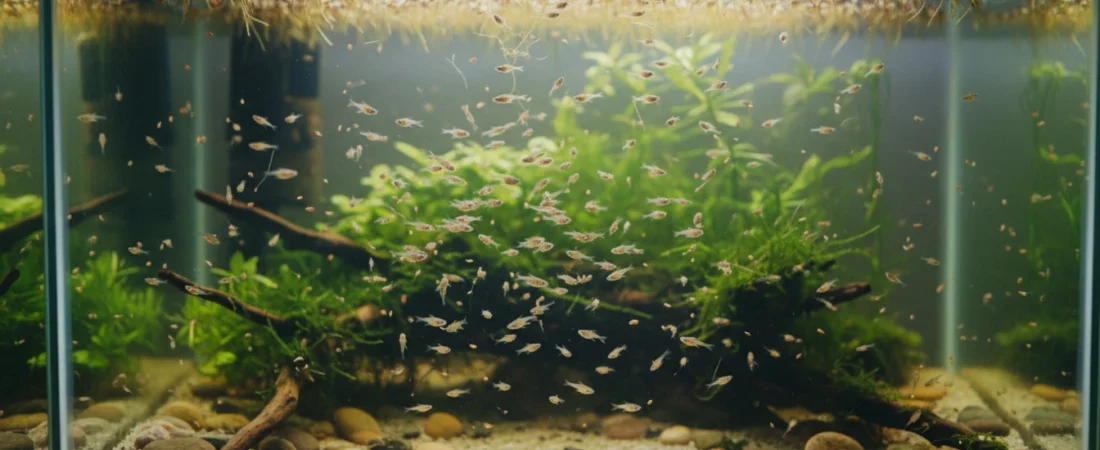
Introduction
Proper nutrition is vital in the early stages of a fish’s life, particularly for fry, as it plays a crucial role in their survival and growth rates. Fish fry, being in a delicate developmental stage, require specific dietary components to thrive. The nutrient composition of their food directly influences not only their immediate health but also their long-term well-being. An inadequate diet can lead to stunted growth, susceptibility to diseases, and increased mortality rates. Therefore, understanding the dietary needs of fish fry is essential for both aquarists and those engaged in aquaculture.
This comprehensive guide aims to equip readers with the knowledge necessary to successfully raise healthy fry. Here, we will cover various aspects of fry nutrition, including the type of food suitable for different species, the frequency of feeding, and how to adjust the diet as the fry mature. Readers can expect to explore both commercial and homemade food options, as well as the nutritional value each type brings to their growing fish. This guide will also discuss common misconceptions about fry feeding and the best practices to ensure optimal growth conditions.
Adequate care and feeding during the fry stage can significantly improve the yield of healthy adult fish. By investing time and effort into understanding their dietary requirements, hobbyists and professionals alike can foster environments that promote the growth of vigorous fry. Throughout the subsequent sections, the reader will find practical tips, recommendations based on scientific insights, and expert advice aimed at facilitating the successful rearing of fry, ensuring they grow into healthy adult fish ready to contribute to their ecosystems.
Why Proper Food is Crucial for Fish Fry
The early stages of a fish’s life are critical for their physical development, and this is especially true for fish fry. Fry are extremely delicate, with immature digestive systems that are not yet fully capable of handling larger food particles. The nutritional demands during this phase are quite high, as the fry require a balanced diet that promotes healthy growth and development.
Protein is one of the most essential nutrients for fry, as it plays a vital role in muscle formation and overall growth. The right protein levels not only support physical development but also help maintain a robust immune system as fry face various environmental stresses. Studies have shown that fry fed on a diet rich in high-quality protein exhibit accelerated growth rates and better overall health compared to those provided with inadequate nutrition.
Moreover, the size of the food offered is equally important. Fry require micro-sized food particles that are easy for them to consume and digest. Feeding fry with food that is too large can lead to complications such as indigestion or even starvation, as they may struggle to consume it adequately. Options such as infusoria, crushed flakes, or powdered foods have proven effective for meeting the fry’s dietary needs without overwhelming their digestive systems.
Personal experiences in breeding habits suggest that fry often demonstrate preferences for specific food types, impacting their growth rates significantly. Regular observation can provide insight into which foods are favored, helping aquarists tailor feeding regimes that enhance fry development. By ensuring that fry receive a proper diet consisting of high-quality protein and appropriately sized food particles, hobbyists can facilitate the successful rearing of healthy fish, securing a more productive aquarium environment.
Types of Baby Fish Foods
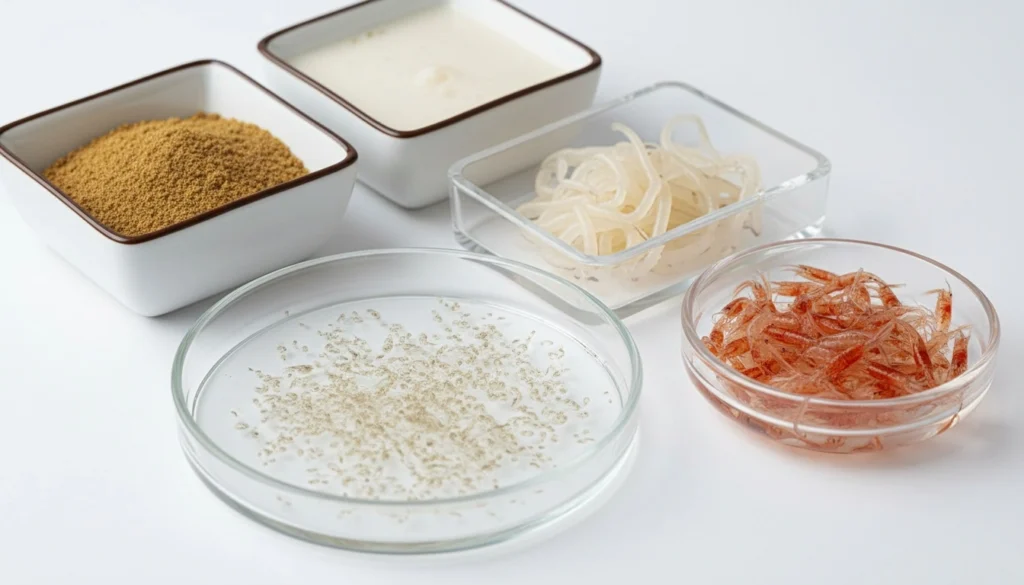
When it comes to raising healthy fry, selecting the appropriate food is crucial for their growth and development. Various types of baby fish foods cater to the diverse dietary needs of young fish. This section discusses some of the most common options available, including infusoria, liquid fry food, baby brine shrimp, microworms, vinegar eels, and powdered dry fry food.
Infusoria is often the go-to option for the very youngest fry due to its microscopic size, making it easily digestible. This live food is rich in protein, essential for the growth of small fish. For optimal results, infusoria can be harvested from naturally occurring sources or cultured at home, allowing for a steady supply.
On the other hand, liquid fry food is a convenient option for fish keepers who prefer not to culture live foods. Typically fortified with vitamins and minerals, these products are specifically designed to provide well-rounded nutrition to fry and can support their rapid growth during the first weeks of life. When using liquid fry food, it is essential to follow the recommended feeding guidelines to prevent overfeeding.
Baby brine shrimp serves as an intermediate food source, dispatched when fry have grown large enough to handle more substantial meals. It is a nutrient-dense option and is often considered a staple by aquarists. Cultivating baby brine shrimp is straightforward and rewarding, ensuring a fresh diet for growing fry.
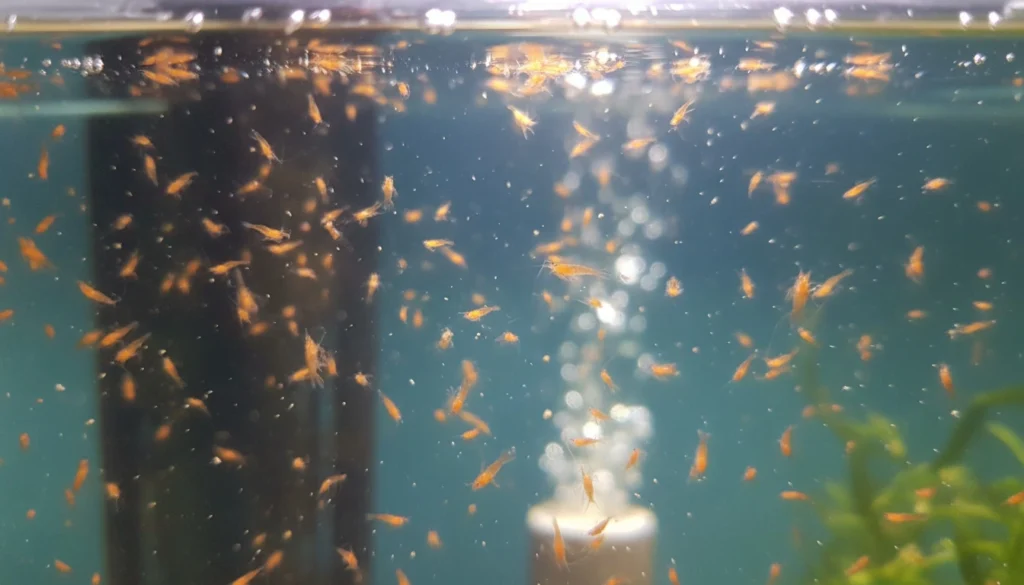
Microworms and vinegar eels are also excellent choices that provide protein-rich nutrition. These small organisms are easy to culture and serve as nutritious live food options that fry readily accept. Lastly, powdered dry fry food can be a practical option, offering a balanced diet and easy storage. However, care should be taken to choose high-quality brands that ensure fry receive the necessary nutrition.
| Food Type | Best For | Protein Level | Ease of Use |
|---|---|---|---|
| Infusoria | Very tiny fry | Medium | Medium |
| Liquid Fry Food | Newborn fry | Medium | Very easy |
| Baby Brine Shrimp | Fast growth | High | Moderate |
| Microworms | Small fry | High | Easy |
| Powdered Fry Food | All fry | Medium | Very easy |
Fry Feeding Schedule (Week-by-Week Guide)
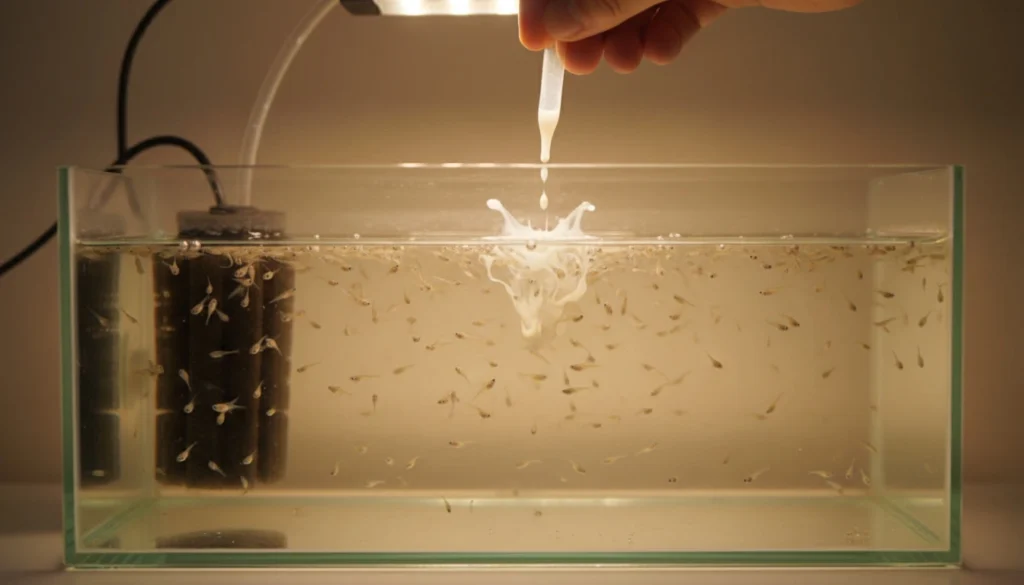
Establishing a systematic feeding schedule is vital when raising healthy fry. In the first week, the delicate fry require small, frequent meals to support their rapid growth and development. It is advisable to offer them finely crushed formulated fry food or specialized liquid fry food that dissolves in water. A suggested schedule could involve feeding them four to six times a day, ensuring that each meal lasts no more than 15 minutes to prevent overfeeding and water contamination.
As the fry enter their second week, their nutritional needs begin to evolve. During this phase, it is prudent to introduce a variety of food sources. In addition to the formulated fry food, consider incorporating infusoria or freshly hatched brine shrimp to enhance their nutrient intake and promote robust growth. It is generally recommended to maintain a similar feeding frequency, around four to five times daily, slightly increasing the amount offered in each feeding as the fry grow larger and their appetites intensify.
Entering the third week, the fry can continue to be fed such mixtures while also transitioning towards coarser foods. This period can begin with the gradual introduction of crushed flake food or larger brine shrimp. Reducing the number of feedings to three to four times a day may be more suitable, which reflects their developing ability to consume more substantial amounts of food at each meal. Monitoring the fry’s growth during this time is essential, as any signs of stunted growth could indicate the need for dietary adjustments.
To summarize, a structured and adaptive feeding schedule can significantly impact the success of raising healthy fry. Each week presents unique nutritional requirements, and transitioning their diet effectively will contribute to their overall health and well-being as they mature.
| Fry Age | Recommended Food | Feeding Frequency |
|---|---|---|
| Day 1–3 | Infusoria or liquid fry food | 4–6 times per day |
| Day 4–10 | Microworms or baby brine shrimp | 4–5 times per day |
| Week 2–3 | Baby brine shrimp, crushed flakes | 3–4 times per day |
| After 4 weeks | Crushed pellets or flakes | 2–3 times per day |
How Often Should You Feed Fry?
Establishing an appropriate feeding schedule for fry is crucial in ensuring their optimal growth and development. Newly hatched fry require frequent feeding to support their rapid growth rates, as they have small stomachs and a high metabolic rate. As a general guideline, young fry should be fed small amounts multiple times a day ideally 4 to 5 feedings, spaced out regularly throughout the day. This frequency allows the fry to consume the food before it degrades and helps maintain water quality, which can suffer if uneaten food remains in the tank.
While regular feeding is vital, it is equally important to understand the signs of overfeeding or underfeeding. Overfeeding can lead to deteriorated water conditions due to excess waste produced from uneaten food, which can cause ammonia spikes and negatively affect the fry’s health. Common indicators of overfeeding include cloudy water, excessive waste, and fry lethargy. Conversely, underfeeding is characterized by slow growth, voracious behavior during feeding times, and a general lack of vitality. If fry are persistently exhibiting signs of hunger, it may be necessary to adjust the feeding regimen.
To effectively maintain a balanced feeding routine, consider utilizing high-quality fry food designed for their specific developmental stage. Additionally, keep a small feeding log to track when and how much you feed them. This practice can help avoid inconsistencies and ensure that they are receiving the nutrition they require. Water quality should be regularly monitored, as maintaining clean conditions is critical for the health of growing fry. Adjusting the feeding frequency and portion sizes in response to these observations will promote healthier fry and a thriving aquatic environment.
Best Homemade Baby Fish Food Options
Creating nutritious homemade baby fish food is essential for the healthy development of fry. One of the most common options is the egg yolk method. This process involves hard boiling an egg, then separating the yolk and mixing it with a small amount of water to create a smooth paste. To serve, use a pipette or a fine mesh net to distribute tiny portions into the tank. The yolk provides a rich source of protein and fat, crucial for the growth of fry. However, care must be taken to avoid overfeeding, as uneaten yolk can quickly pollute the water, leading to health issues.
Another effective method is cultivating green water, which is rich in natural microalgae. This process consists of adding nutrient-rich water to a container and placing it in sunlight to encourage algal growth. Once the water turns green, it can be siphoned directly into the fry tank. Green water is an excellent source of essential nutrients and is particularly beneficial for species that are herbivorous or omnivorous in nature. However, managing the right lighting and nutrient content is crucial, as excessive growth can lead to oxygen depletion.
To further diversify the diet, some aquarists also opt for homemade fish food made from finely crushed spirulina, commercially available fish food tablets, or even blended vegetables like spinach and peas. Incorporating these ingredients can enhance the nutritional breadth offered to the fry while ensuring they receive adequate nutrients for their growth.
It is important to monitor the fry’s health and adjust the feeding regimen as necessary. Experimenting with different foods will help aquarists find the right balance of nutrition tailored to their specific fry species. In conclusion, making your own baby fish food can be rewarding and beneficial for the growth and health of the fry when done correctly and with appropriate precautions.
Water Quality and Feeding Balance
Maintaining optimal water quality is crucial for the healthy growth of fry in your aquarium. Excess food introduces unnecessary waste into the ecosystem, leading to elevated ammonia levels that can be detrimental to young fish. Ammonia toxicity is particularly harmful to fry, as they are more sensitive due to their fragile physiology. Ensuring that the food provided matches the fry’s dietary needs not only promotes their growth but also minimizes waste production.
To avoid adverse effects on water quality, it is essential to implement a balanced feeding strategy. It is recommended to feed small amounts of specialized fry food several times a day rather than a single large feeding session. This practice allows the fry to consume what they need for growth without leaving excess food to decompose. It is also advisable to observe your fry while feeding; if food remains uneaten after a few minutes, you may need to adjust the portion sizes accordingly.
Alongside a balanced feeding regimen, maintaining water quality through consistent monitoring and routine maintenance is equally important. Regular, small water changes typically around 10% to 15% of the tank volume can help to manage ammonia levels effectively. This practice not only dilutes toxins but also replenishes essential minerals, fostering a healthy environment for fry development. Additionally, utilizing chemical filtration can aid in reducing ammonia, though it should not replace regular water changes. Keeping a close eye on water parameters, including pH, nitrite, and nitrate levels, will further ensure a thriving habitat for your baby fish.
Common Fry Feeding Mistakes to Avoid
Raising healthy fry is crucial for successful fish breeding, and understanding common mistakes in the feeding process is key to ensuring optimal growth and survival rates. One significant error that many breeders make is overfeeding. While it may seem beneficial to provide an abundance of food, excess feed can lead to water quality issues and health complications for the fry. It is advisable to supply only what the fry can consume within a few minutes, promoting both their health and the cleanliness of the aquatic environment.
Another frequent mistake is the use of food that is not suitable for the fry’s size or developmental stage. Fry require finely crushed or specially formulated foods that are appropriate for their small mouths. Offering food that is too large can result in choking or difficulty in digestion, particularly for newly hatched fry. To remedy this issue, breeders should seek out high-quality fry foods designed specifically for their species, ensuring they cater to the nutritional requirements of the growing fry.
Water maintenance is often neglected, which can have detrimental effects on fry health. Poor water quality can lead to diseases, stunted growth, and even death. Regularly monitoring water parameters such as ammonia, nitrite, and nitrate levels is essential, alongside performing partial water changes to keep the environment clean. Establishing a routine for these maintenance tasks can greatly enhance fry survivability.
Additionally, many breeders fall into the trap of having an irregular feeding schedule. Fry thrive on consistency, and erratic feeding can lead to stress and hinder their growth. Adopting a structured feeding schedule, ideally at the same times each day, promotes a healthier feeding habit. This consistency allows fry to adjust to a routine, reducing stress and encouraging healthy development. In conclusion, avoiding these common feeding mistakes is essential for raising healthy fry and ensuring their successful growth into adult fish.
Signs Your Fry are Healthy and Growing
Monitoring the health and growth of baby fish, commonly referred to as fry, is crucial for their development and longevity. Successful fry care hinges on recognizing the key indicators of their health, which encompass behavior, physical appearance, and growth patterns.
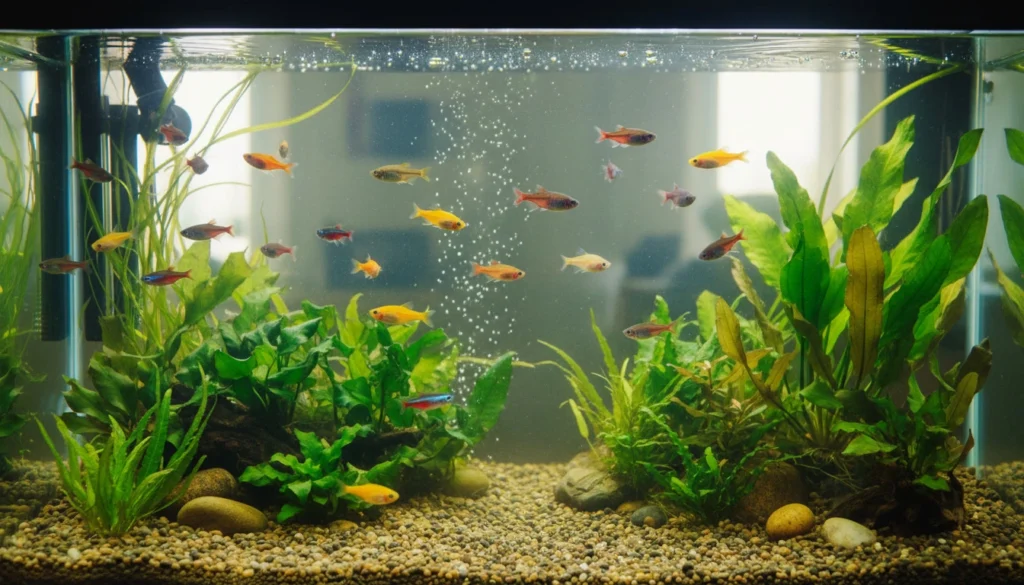
One of the first signs of healthy fry is their behavior. Healthy fry are typically active, displaying darting movements and consistent swimming patterns. Their energy levels are a clear indicator of vitality. Conversely, lethargy or erratic swimming may signify stress or health issues, warranting further investigation into their environment or diet.
Body shape is another significant indicator of fry health. Optimal fry are round and plump, with a well-defined body structure. This appearance reflects proper nutrition and healthy growth. Observe the fry’s development over time; if you notice gradual changes in their body shape, this is generally a positive sign. On the other hand, any signs of deformity or abnormal swelling can indicate underlying health problems.
Growth patterns also play a pivotal role in assessing fry health. Ideally, healthy fry should exhibit consistent growth rates that align with their species’ norms. It is important to monitor their size in relation to their counterparts. If certain fry are lagging significantly in growth, it may suggest issues with their diet, water quality, or social dynamics in the tank.
Personal experiences often provide the best insights into fry health. For example, observing the fry’s response to feeding times can reveal their hunger and eagerness to eat, indicating robust health. Engaging with fry in their aquatic environment can foster a deeper understanding of their needs and health trajectories, offering opportunities to enhance their care.
When to Transition Fry to Adult Food
Transitioning fry to adult food is a critical stage in their development, as it directly impacts their health and growth. Typically, this transition should begin when the fry reach a size where they can effectively consume larger food particles. Generally, this occurs approximately four to six weeks after hatching, but this timing can vary depending on the species of fish and environmental conditions. Observing the growth rate and overall health of the fry is essential for determining the appropriate time to shift their diet.
One key sign that fry are ready to transition is their ability to consume newly hatched brine shrimp or crushed flakes, which signals that they can handle larger food sizes. When fry begin to cluster around these food sources and exhibit healthy competition for feeding, it is an indication that they are prepared to take on progressively larger food sizes.
During this transition, it is crucial to introduce adult food gradually. Start by mixing the fry’s current food with finely crushed adult food, gradually increasing the proportion of adult food over several days or weeks. This method allows their digestive systems to adapt to the new diet without overwhelming them. Additionally, monitoring their response to adult food is vital; if there is reluctance to consume it or signs of distress, reverting to their previous diet is advisable until they are more prepared for the change.
Ultimately, the goal is to ensure the fry grow healthy and robust. The goal is to provide a balanced diet that includes appropriate nutrients as they develop, ensuring they not only survive but thrive in their aquatic environment. Proper timing and attention during the transition period will greatly influence their long-term health.
Conclusion
In conclusion, raising healthy fry requires a careful balance of appropriate nutrition, cleanliness in their environment, and constant monitoring of their developmental needs. During this guide, we examined various baby fish food options that cater specifically to the nutritional requirements of fry, from infusoria to specialized fry pellets. Emphasizing the importance of providing the right kind of food will ensure that your young fish grow strong and vibrant. Moreover, establishing a clean and stable habitat plays a critical role in their overall health, highlighting the need for regular water changes and careful monitoring of water parameters.
As you embark on your journey of breeding and raising fish, remember that each stage of development presents unique challenges and rewards. Your dedication to maintaining optimal feeding practices and a pristine environment will greatly influence the success of your fry. It may seem daunting at first, but through experience, you will develop a deeper understanding of their needs and behaviors. Stay patient and observant, as each achievement, no matter how small, will serve to motivate you further. Many aquarists find joy and fulfillment in watching their fry transform into healthy, lively fish, which can be a rewarding experience in the world of aquarium keeping. Embrace this journey with enthusiasm, and you may also find yourself fostering a new passion for the art of aquaculture.
Frequently Asked Questions
1. What is the best food for baby fish fry?
When it comes to feeding baby fish fry, the best food includes finely crushed flakes, baby brine shrimp, and specially formulated fry food. These options provide essential nutrients, ensuring healthy growth and development. It’s important to choose food specifically designed for fry, as adult fish food may not meet the nutritional needs of young fish.
2. How often should I feed my fry?
Fry should be fed multiple times a day, typically two to four times, depending on their age and species. Younger fry require more frequent feeding to support their rapid growth, while older fry can gradually transition to fewer meals. Keeping a schedule helps ensure they receive a consistent and adequate supply of nutrients.
3. Can I use standard fish food for fry?
While it is possible to use standard fish food, it is not generally recommended for fry. Adult fish food tends to have larger particles, which fry may struggle to consume. Instead, opt for finely powdered food or specialized fry food that caters to the dietary requirements of young fish.
4. How can I tell if my fry are getting enough food?
Healthy fry will exhibit active swimming behaviors and a robust appearance. If they seem lethargic or are not growing as expected, this may indicate they are not receiving sufficient food. Regular monitoring of their behavior and growth can help you adjust feeding practices accordingly.
5. What environmental factors affect fry feeding?
Several environmental factors can impact the feeding habits of fry, including water temperature, quality, and tank conditions. Maintaining optimal water parameters and ensuring clean, stable environments will promote healthy feeding and growth. It’s essential to monitor these conditions regularly to avoid stress in fry.