Introduction
Guppy fish, also known as Poecilia reticulata, are one of the most sought-after freshwater aquarium pets due to their stunning array of colors and patterns. These small, hardy fish have captured the hearts of hobbyists around the globe, making them an excellent choice for both novice and experienced aquarists. Their adaptability and relatively simple care requirements make guppies particularly appealing, especially for those new to the world of fishkeeping.
Breeding guppies presents an exciting opportunity for beginners to engage actively with their aquarium. These fish are livebearers, meaning they give birth to live young rather than laying eggs, which significantly simplifies the breeding process. Furthermore, guppies are known for their rapid reproduction rate, which can result in a flourishing population with just a small initial investment. Their vibrant colors and unique patterns can also lead to genetic enhancements and new varieties, which adds an extra layer of enjoyment to the breeding endeavor.
This guide aims to provide essential insights into guppy fish breeding, outlining step-by-step instructions that are easily followed. Readers can expect to learn about important aspects such as selecting breeding pairs, creating the ideal breeding environment, and caring for fry once they are born. Additionally, we will address common breeding challenges that may arise, including genetic issues and maintaining a healthy tank environment. With this knowledge, newcomers will gain confidence and skills necessary for successfully breeding guppies, ultimately enhancing their fishkeeping experience.
Understanding Guppies
Guppies, scientifically known as Poecilia reticulata, are small freshwater fish that are highly popular among both novice and experienced aquarists. Commonly referred to as millions fish due to their prolific breeding, these vibrant creatures are renowned for their colorful appearances and interesting behaviors. Guppies typically have a lifespan of 2 to 3 years in optimal conditions, making them an appealing choice for aquariums.
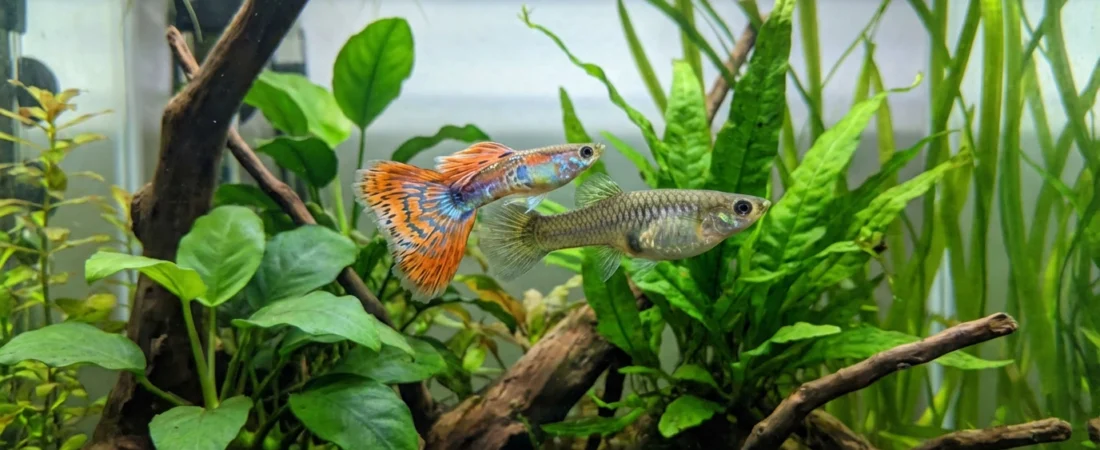
One significant aspect to note when considering guppy fish is the visible differences between male and female guppies. Males are usually smaller than females and exhibit a wide array of bright colors and patterns. They possess a modified anal fin known as a gonopodium, which is used for reproduction. In contrast, female guppies are generally larger, more subdued in color, and feature a rounded body, especially when pregnant, as they carry their offspring internally.
The ideal living conditions for guppies include water that is clean and well-filtered, as they thrive in stable environments. The recommended water temperature should range between 75°F to 82°F (24°C to 28°C), with a pH level between 6.8 and 7.8. Furthermore, guppies appreciate soft to moderately hard water, with a general hardness of 10-30 dGH (degrees of General Hardness). Regular water changes are essential to maintain a healthy tank environment. Providing ample space for swimming, along with hiding spots such as plants and decorations, is equally important to reduce stress and encourage natural behaviors.
| Feature | Ideal Specification |
| Minimum Tank Size | 10 Gallons |
| Water Temperature | 75°F – 82°F (24°C – 28°C) |
| pH Level | 6.8 – 7.8 |
| Gestation Period | 21 – 30 Days |
| Breeding Ratio | 1 Male : 2-3 Females |
| First Food for Fry | Infusoria, Brine Shrimp, or Liquid Fry Food |
Preparing for Breeding
When considering guppy fish breeding, selecting an adequate breeding tank is inextricably linked to the success of the process. Ideally, a breeding tank should be at least 10 gallons, as this provides ample space for both the guppy parents and the fry. In a smaller tank, the risk of overcrowding and stress increases significantly, which can hinder successful breeding efforts.
Set up the breeding tank with a quality filtration system to maintain pristine water conditions. Guppies thrive in clean water, and effective filtration will help remove pollutants that can affect the health of both the adult fish and their offspring. It is essential to establish this tank well in advance of introducing any guppies; cycling the tank allows beneficial bacteria to develop, which is crucial for breaking down harmful waste products.
Optimal water parameters are critical for guppy fish breeding. Maintain a temperature between 76°F and 82°F, which closely mimics their natural habitat. The pH level should ideally be between 7.0 and 8.0, and the hardness should range from 10 to 20 dGH. Regular testing of these parameters ensures that conditions remain stable for the breeding process.
In addition to water parameters, providing aquatic plants and hiding spots is essential for creating a conducive environment. Live plants such as Java moss and duckweed not only enhance the aesthetic appeal of the tank but also offer cover for the fry once they are born. These hiding spots are essential for the fry’s survival, as they need protection from adult guppies that may see them as food. By creating a nurturing environment, breeders can significantly increase the chances of successfully raising guppy fry.
Selecting Breeding Pairs
Choosing the right breeding pairs is crucial for successful guppy breeding. When selecting male and female guppies, the first consideration should be their overall health and vitality. Healthy guppies exhibit vibrant colors, clear eyes, and active behavior. Avoid any fish that shows signs of illness or stress, such as lethargy or discoloration, as these factors can negatively impact breeding outcomes.
Size is also an important factor. When breeding guppies, it is advisable to select males and females of similar size, ensuring they can comfortably mate. Generally, male guppies tend to be smaller and more agile, while females are larger and rounder. This size compatibility can facilitate a smoother breeding process.
Age plays a key role as well; guppies reach sexual maturity at around 3 to 4 months old. For optimal breeding results, it is recommended to choose pairs that are at least 4 months old. Younger guppies may not have developed fully for reproduction, leading to unsuccessful mating attempts.
It is important to observe demeanors when selecting your pairs. Active and aggressive males often attract females more effectively, as displays of vibrancy and movement are appealing during the breeding ritual. Conversely, female guppies that are willing to mate may exhibit a curved body shape and improved coloration when they are ready for breeding.
Lastly, consider the genetic diversity when selecting your breeding pairs. Avoid inbreeding by ensuring that the genetic backgrounds of the male and female guppies vary. This will contribute to healthier offspring and enhance their survival rates, making your breeding efforts worthwhile.
Step-by-Step Breeding Process
To begin the process of guppy breeding, it is essential first to introduce a suitable male-to-female ratio into your aquarium. A good recommendation is to have one male for every two to three females. This ratio helps to reduce stress on individual females and promote healthier breeding conditions. Once the male and female guppies are in the same environment, the courtship process will commence, characterized by specific behaviors such as the males displaying their vibrant colors and performing fin dances to attract the females.
During courtship, males will often pursue females closely, and you may observe the male nudging the female with his head. This behavior is part of their mating ritual and indicates their readiness to mate. When the female is receptive, the actual mating occurs. After successful mating, the female guppy undergoes a gestation period which typically lasts around 21 to 30 days, depending on various factors such as water temperature and the health of the female. During this time, it’s important to ensure that she is being adequately fed with high-quality food to support the development of the fry.
As the gestation period progresses, you will notice the female becoming noticeably larger, especially towards the rear, indicating that she is pregnant. It is advisable to separate pregnant females into a breeding box or a separate tank a few days before she is due to give birth. This practice prevents potential stress and interference from other tank mates, allowing for a safer birthing environment. Once the female guppy has given birth, she should be returned to the main tank as soon as possible to avoid any undue stress or harm. These steps diligently followed can lead to successful guppy breeding and a healthy fry population.
Caring for Fry
Upon the birth of guppy fry, it is crucial to identify them promptly as they differ significantly from adult guppies. Newly born fry are tiny, measuring approximately 0.25 inches in length, and are often see-through. Their small size makes them vulnerable to predation, particularly from adult guppies, as they may mistake the fry for food. Therefore, it is essential to provide a safe environment for these fragile newborns.
To ensure the fry thrive, maintaining high water quality is imperative. The tank should be well-cycled, with stable parameters: a temperature range of 75-82°F (24-28°C) and a pH level between 6.8 and 7.8. Regular water changes—around 10-15% weekly—will help maintain water quality and remove any waste. Using a sponge filter can provide gentle filtration, which prevents fry from being sucked into stronger currents, protecting them from harm.
Feeding guppy fry requires attention to detail, as they need a diet appropriate for their small size. Newly hatched fry should ideally be fed infusoria or commercially available liquid fry food designed specifically for the tiniest aquatic life. After a few days, they can transition to finely crushed flake food or daphnia, which are both nutritious and readily accepted by young guppies. It is important to offer small amounts of food multiple times a day to ensure optimal growth while avoiding uneaten food, which can disrupt water quality.
To further protect fry during their vulnerable early stages, consider using a breeding box or separate nursery tank. This can significantly reduce the risk of adult guppies consuming the fry, ensuring a greater survival rate. By following these guidelines for caring for fry, aquarists can increase the chances of raising healthy juvenile guppies successfully.