Introduction
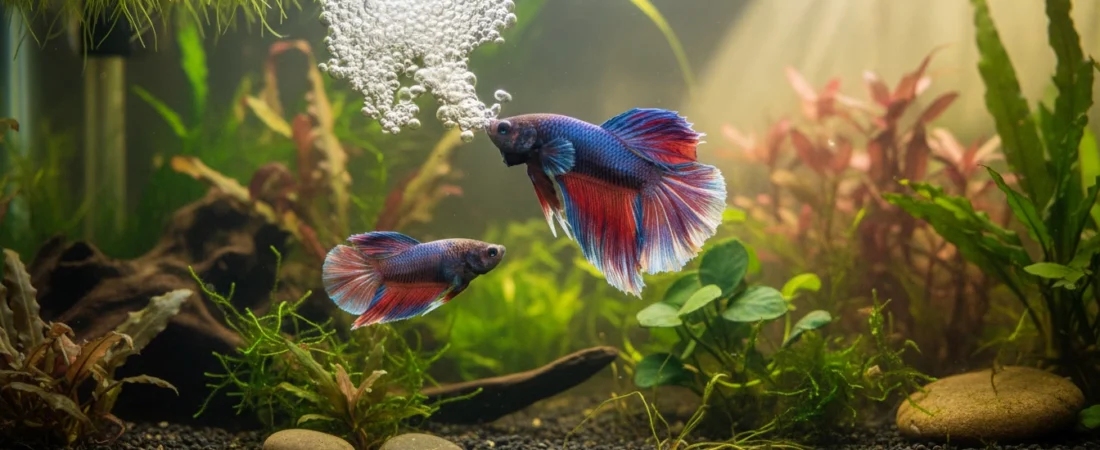
Breeding betta fish at home has become an increasingly popular pursuit among aquarium enthusiasts and hobbyists alike. The striking beauty of bettas, known for their vibrant colors and unique fin types, captivates many fish lovers, making the process of breeding them not only an exciting venture but also a potentially rewarding experience. This guide seeks to illuminate the fundamentals of betta fish breeding, emphasizing the significance and relevance of this practice for those keen to expand their knowledge and skills in fishkeeping.
This informative article will delve into the essential aspects of breeding betta fish, covering various topics that are crucial for ensuring success in this endeavor. Readers will gain insights into the selection of breeding pairs based on genetic traits, environmental factors, and water quality, all of which are vital for fostering a healthy breeding atmosphere. Additionally, it will explore the different breeding techniques that can be employed to increase the likelihood of successful spawning.
The guide aims to equip readers with practical information that can be applied in their own homes, making the breeding of bettas an achievable goal. From setting up the breeding tank to caring for fry after they hatch, every step will be discussed in detail, allowing novice and experienced aquarists alike to navigate the complexities of betta breeding with confidence. Ultimately, the journey of breeding betta fish at home can foster a deeper appreciation for these remarkable creatures and enhance your overall aquarium hobbyist experience.
Understanding Betta Fish Breeding Basics
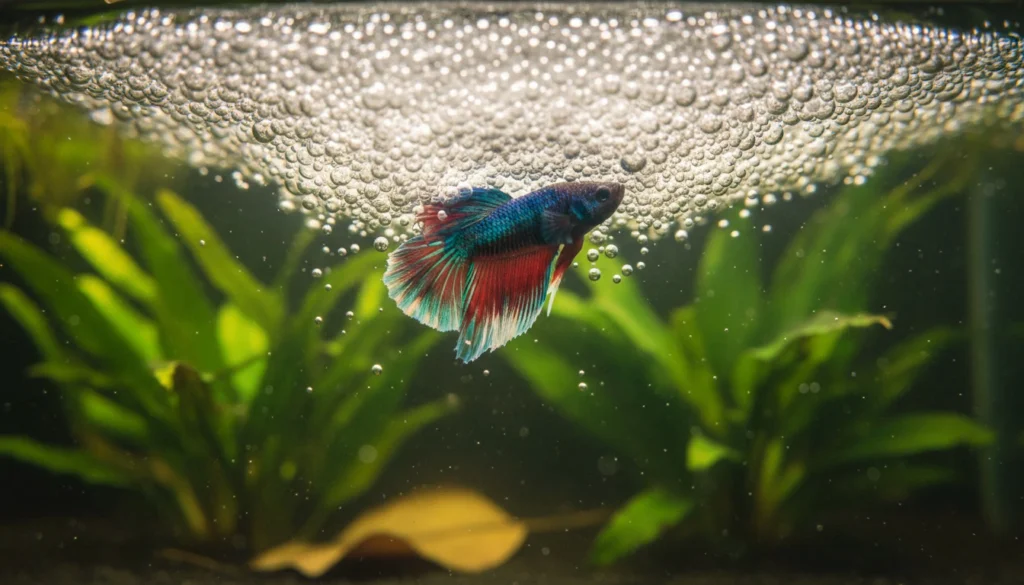
Breeding betta fish can be a rewarding experience, but it is essential to understand the fundamental concepts that govern their reproductive behavior. Male and female bettas exhibit distinctive traits that play critical roles in the breeding process. One of the first indicators that a betta is ready to breed is the male’s construction of a bubble nest, which serves as a safe haven for the eggs after fertilization. This behavior reflects the male’s instinct to protect and nurture the future offspring.
The male betta is known for his aggressive and colorful display, designed to attract the female while simultaneously warding off potential rivals. In contrast, the female betta tends to be less vibrant and is more subdued in her demeanor. However, during breeding, she displays vertical stripes on her body, which signal her readiness to mate. Recognizing these behavioral cues is paramount, as a well-timed introduction of a female to the male can significantly increase the likelihood of successful breeding.
In terms of ideal breeding ages, male bettas are usually ready for breeding at around six months of age, while females can be considered suitable for breeding slightly earlier, often at four months. It is imperative to monitor the overall health of both fish before attempting to breed them; ensuring that they are disease-free and well-nourished will contribute positively to the success of breeding. A breeding pair should be introduced in a controlled environment, allowing the male to court the female properly. This courtship typically involves playful displays and gentle nudging, culminating in a successful spawning event.
By understanding these foundational elements, novice breeders can approach betta fish breeding with greater confidence and clarity, paving the way for a successful experience.
Choosing the Right Breeding Pair
When embarking on the journey of breeding betta fish at home, selecting the right breeding pair is paramount to ensure healthy and vibrant offspring. First and foremost, it is essential to choose a male and female betta that are both in excellent condition. This includes evaluating their physical health; signs of a healthy betta include bright coloration, clear eyes, and well-developed fins. Avoid any individuals with signs of illness, such as faded colors, clamped fins, or visible lesions, as these will likely affect the breeding process and the health of the fry.
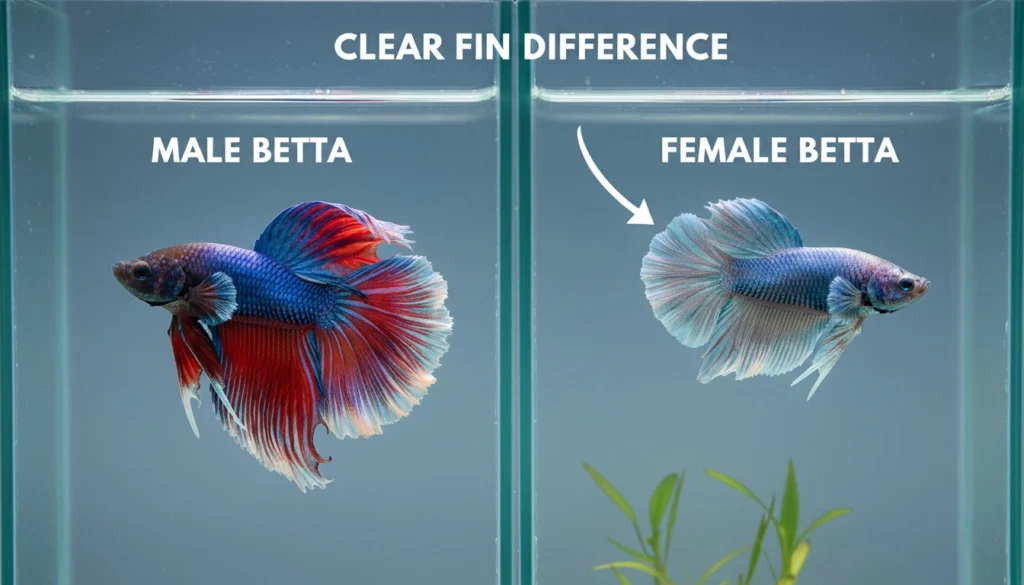
In addition to health checks, behavioral compatibility plays a critical role in selecting your breeding pair. Bettas are known for their territorial nature, particularly males, who can exhibit aggressive behavior. It is advisable to observe potential pairs in separate tanks initially. Look for a male that displays vibrant colors and engages in bubble nest building, as these behaviors indicate readiness to breed. The female should also show signs of preparation, such as a round belly, which indicates she is carrying eggs. If the female displays vertical bars on her body, this is a signal of stress or discomfort, and she may not be suitable for breeding.
Furthermore, when considering different strains or colors, remember that breeding bettas with distinct genetic backgrounds can result in diverse offspring. However, maintaining genetic compatibility is essential to avoid health issues in the fry. It is recommended to research common genetic traits associated with various betta strains to ensure the chosen pair can produce vibrant, robust fry. With the right pair selected based on health and behavior, you will be well on your way to successfully breeding betta fish at home.
Setting Up a Betta Breeding Tank
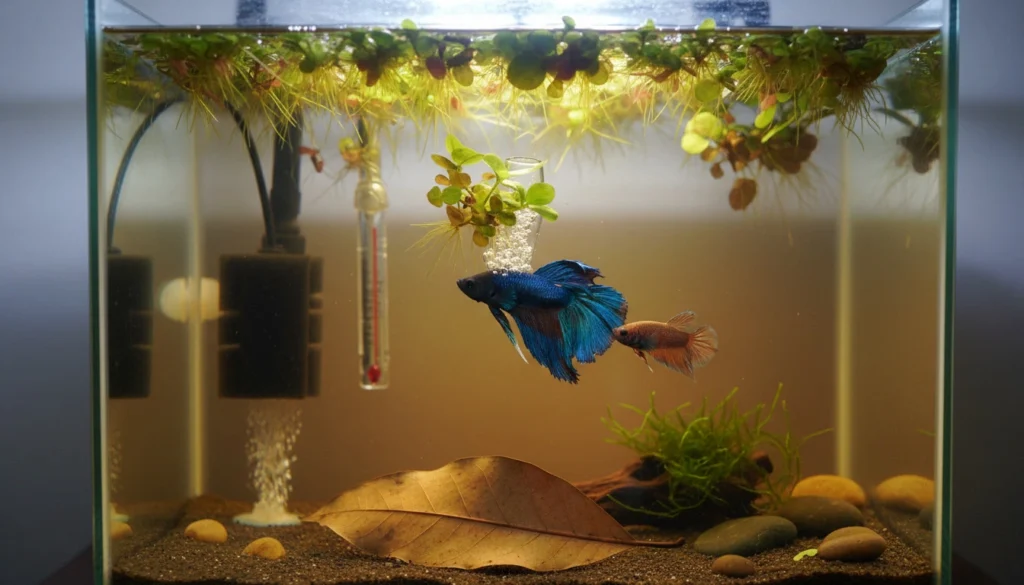
Creating an appropriate environment for breeding betta fish is crucial for their reproductive success. The recommended tank size for a breeding setup is at least 10 gallons. This size provides ample space for the adult fish while ensuring that the fry have room to grow. A larger tank also helps in maintaining stable water parameters, which are essential for the health of the fish. When selecting a tank, ensure that it is equipped with a tight-fitting lid to prevent any escapes and to keep the water temperature stable.
| Item | Recommendation | Why It Matters |
|---|---|---|
| Tank Size | 10 gallons minimum | Provides stable breeding environment |
| Temperature | 78–82°F (26–28°C) | Encourages spawning behavior |
| Filter | Sponge filter | Safe gentle flow for eggs and fry |
| Water Depth | 4–6 inches | Supports bubble nest stability |
| Plants | Floating plants recommended | Provides cover and spawning support |
Essential equipment for a breeding tank includes a heater and a filter. Bettas thrive in warm water, with an optimal temperature range of 76 to 82 degrees Fahrenheit. A heater will help maintain this temperature, ensuring comfort for both the male and female fish. For filtering, it is advisable to use a sponge filter, which provides adequate filtration without creating strong currents that could stress the bettas. Additionally, the use of a breeding box or net can help separate the male and female during the initial introductions while minimizing aggressive behavior.
Water quality is paramount in a breeding setup. Regular water testing is essential to maintain ideal parameters. The pH should remain between 6.5 and 7.5, with a hardness level of 5 to 15 dGH. To further optimize the environment, it is recommended to use conditioned water free from chlorine and other harmful substances. Installing live plants in the breeding tank can also create hiding spots for the female and provide a more natural habitat.
Finally, specific breeding items like a spawning mop or floating plants can encourage the female to lay eggs. These mops mimic natural spawning conditions, offering both protection and a place for the male to construct a bubble nest. By attentively considering tank size, equipment, water parameters, and breeding items, you can foster an ideal breeding environment for your betta fish.
Conditioning Betta Fish for Breeding
To successfully breed betta fish, it is paramount to prepare both males and females adequately. Conditioning is a critical step in this process, focusing on enhancing the health and vitality of the fish prior to spawning. I implement a comprehensive feeding regimen that significantly improves their readiness for breeding.
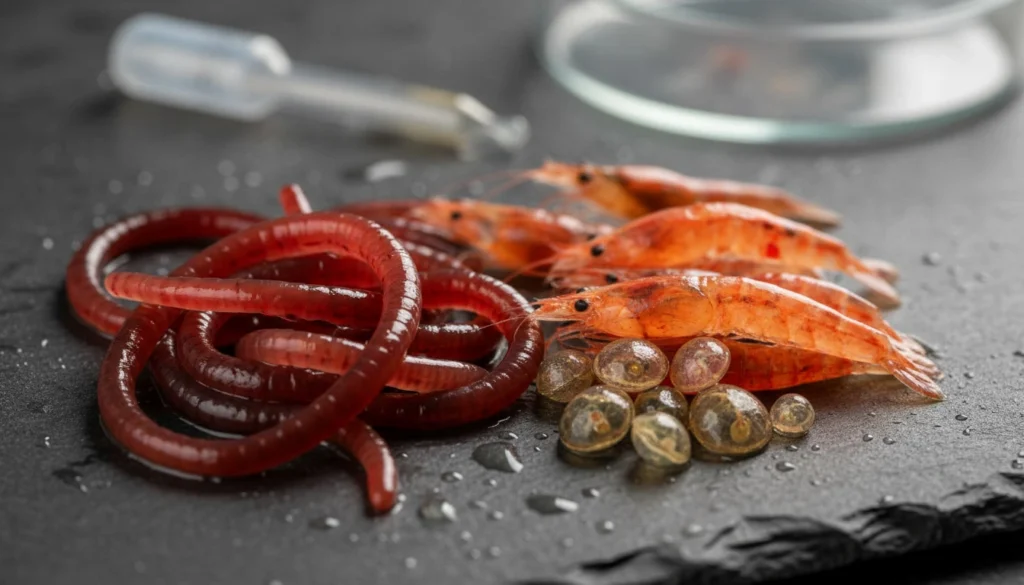
| Food Type | Benefit | Feeding Tip |
|---|---|---|
| Bloodworms | High protein for conditioning | Feed 2–3 times weekly |
| Brine Shrimp | Boost energy and fertility | Best before spawning |
| Daphnia | Improves digestion | Prevents bloating |
| Live Foods | Strong breeding response | Most effective conditioning method |
| High-quality Pellets | Balanced nutrition | Use as staple diet |
The core of my conditioning process involves high-protein foods, essential for boosting the fish’s energy levels and overall fitness. I typically include a variety of nutritious options such as live or frozen foods, including brine shrimp, bloodworms, and daphnia. These protein-rich foods contribute immensely to the health of the bettas, ensuring they are in peak condition for breeding. I feed the bettas multiple times a day usually about 2 to 3 times to maintain their energy and encourage proper growth.
Aside from providing nourishing food, it is also important to monitor the overall environment and water conditions. The water temperature should be maintained between 78°F to 82°F (26°C to 28°C), which is ideal for breeding. Additionally, I ensure that the water is clean and well-aerated, as stress-free conditions influence the behavior of the fish, encouraging them to exhibit natural spawning tendencies.
When preparing the male betta, attention is given to creating a bubble nest; this will ultimately signal his readiness to mate. As for the female, I assess her body condition closely. A full, rounded belly indicates that she is ripe with eggs. If signs of readiness are evident in both sexes, they are then introduced into a breeding tank designed to facilitate spawning, ideally featuring plants for coverage. With careful conditioning, both male and female betta fish can be primed for a successful breeding experience.
The Spawning Process: A Step-by-Step Guide
The spawning process of Betta fish is a critical and intricate phase for any breeder. To initiate breeding, it is essential to prepare a suitable environment for the breeding pair. Start by selecting a clean and spacious breeding tank that holds about ten gallons of water, as this will provide ample space for the fish to move and establish their territory. Ensure that the water temperature is maintained between 78°F and 82°F, as Betta fish thrive in slightly warmer waters during spawning.
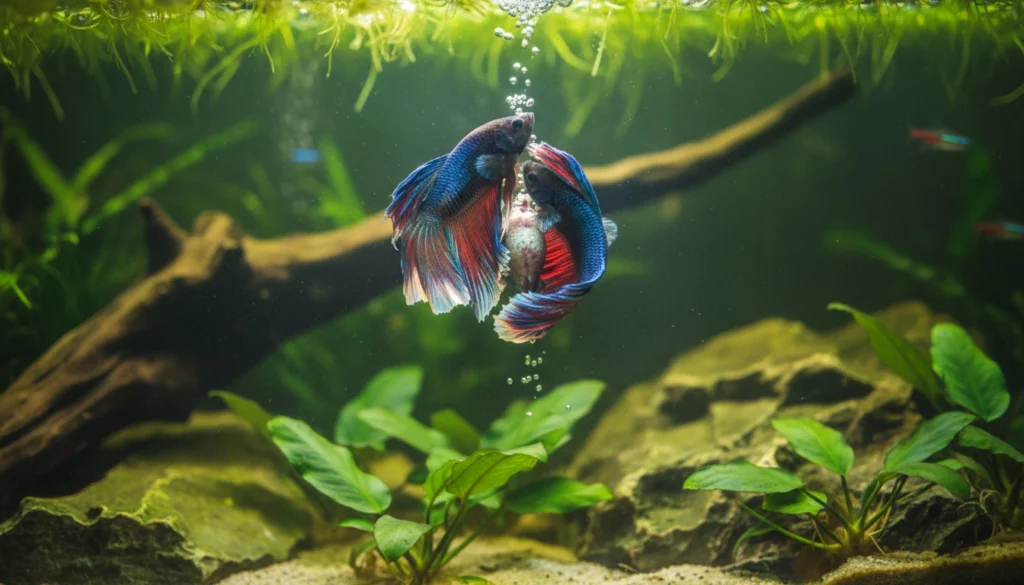
Once the tank is set up, introduce the female Betta to the breeding tank first, allowing her to acclimate for a few hours. After the female has settled, introduce the male Betta. It is crucial to monitor their interaction closely. In healthy pairs, courtship behaviors, such as flaring fins and circling one another, will become apparent. The male Betta may also display his bubble nest, which is a vital indicator of his readiness to breed.
During courtship, the male will attempt to entice the female by nudging her and demonstrating his vibrant colors. If the female is receptive, she will engage in the display and may even show a vertical posture covered with a layer of eggs. This behavior indicates readiness for spawning. Following successful courtship, the actual spawning event will occur, generally initiated by the male wrapping his body around the female. This embrace will stimulate the female to release eggs, which the male then fertilizes.
After spawning, the male will gather the fertilized eggs into his bubble nest. It is essential to separate the females from the breeding tank to prevent any aggression. Monitor the male closely during this period, as he will care for the eggs until they hatch, which usually takes between 24 to 48 hours. A successful spawning process requires patience and attentiveness to the behavioral dynamics of the Betta fish breeding pair.
Caring for Betta Eggs
After spawning, the care of betta eggs is a critical phase in the breeding process, as it significantly influences the survival of the fry. The male betta fish takes on a crucial role at this stage, as he is responsible for guarding and nurturing the eggs. This protective behavior is essential; he will keep the eggs safe from potential threats and ensure they remain in optimal conditions.
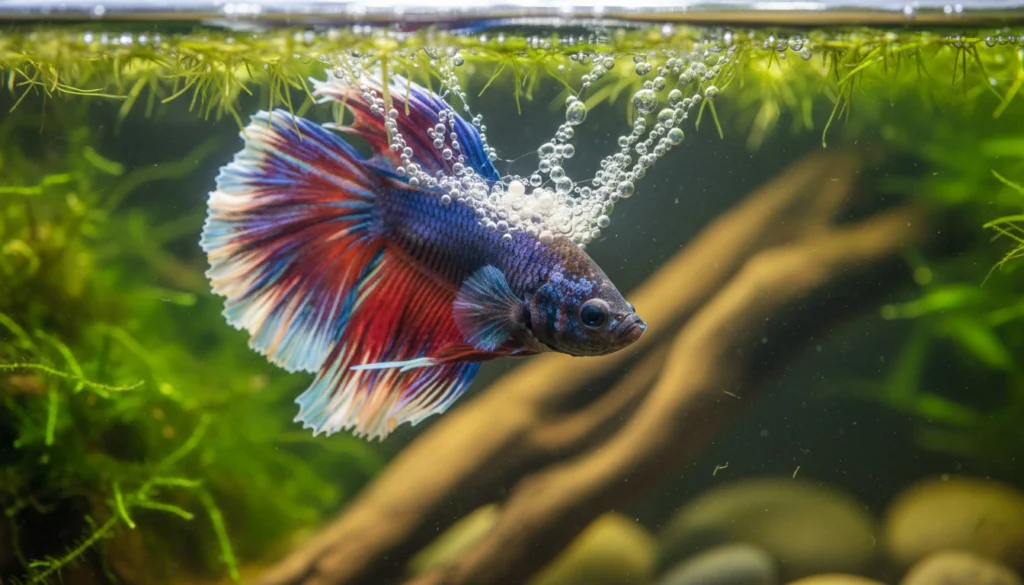
In the initial hours post-spawning, the eggs will begin to stick to the bubble nests created by the male. It is vital to keep the water conditions stable—maintaining a temperature between 78°F to 80°F, which fosters a suitable environment for the eggs. The presence of light is also important; avoiding direct sunlight while ensuring the area is well-lit will help facilitate the proper development of the embryos.
One of the primary concerns at this stage is the risk of fungal infestations. To avoid this problem, it is recommended to limit the number of fish in the breeding tank, as overcrowding can lead to increased waste and deteriorate water quality. If eggs begin to show signs of fungus, there are natural remedies available, such as using a few drops of methylene blue, which can be added to the water without affecting the developing fry. However, care should be taken, as excessive treatment can be harmful.
The expected timeline for hatching is usually between 24 to 36 hours after fertilization, depending on the water temperature and conditions. After hatching, it is essential to ensure that the fry are not disturbed and that the male continues to oversee their well-being until they are strong enough to swim independently. Proper care during this fragile stage is vital for a healthy future for the betta fry.
Betta Fry Care Guide
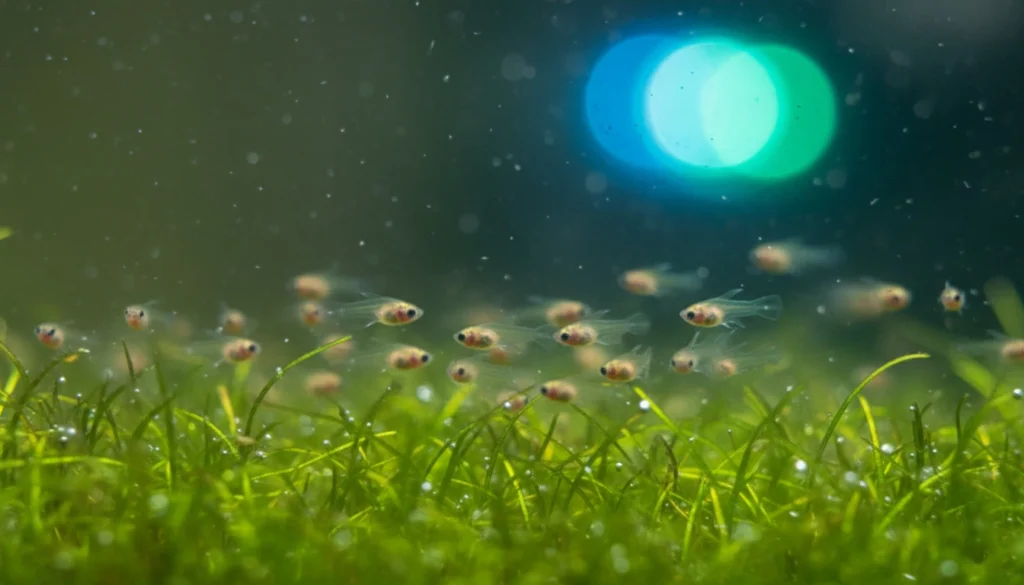
Caring for newly hatched betta fry is a critical phase in the breeding process that requires attention to detail to ensure their healthy growth and development. One of the first and essential steps involves the timely removal of the male betta from the fry tank. Typically, the male should be removed once the fry start swimming freely, usually around three to five days post-hatching. This action helps prevent any potential harm or predatory behavior from the male towards his offspring.
| Age | Food |
|---|---|
| Day 1–3 | Infusoria |
| Day 4–10 | Microworms |
| Day 10+ | Baby brine shrimp |
| 3 weeks+ | Crushed pellets |
In the initial stages of their lives, betta fry have tiny nutritional needs. For the first few days, infusoria, or microparticulate foods, are ideal as they are small enough for the fry to consume. As the fry grow, you can gradually introduce powdered foods or specially designed fry food that is finely crushed. It is vital to feed them small amounts multiple times a day to encourage robust growth without polluting the water. Additionally, consider supplementing their diet with live foods such as baby brine shrimp or vinegar eels, as these can provide excellent protein sources and stimulate healthy growth.
Maintaining excellent water quality is crucial for betta fry. During the first few weeks of care, it is recommended to conduct frequent water changes. A routine of changing 10-15% of the water every other day can be beneficial in minimizing toxins and promoting a clean environment. Always ensure that the replacement water is conditioned and at a suitable temperature to avoid shocking the delicate fry. Monitoring water parameters regularly, such as temperature and pH levels, is also advisable to maintain a safe habitat for your betta fry, facilitating their development into vibrant adult fish.
Common Betta Breeding Problems and My Solutions
Breeding Betta fish can be a rewarding endeavor, yet it is not devoid of challenges. Various issues may arise during the breeding process that can hinder success. Drawing from my experience, I will highlight some common problems encountered in Betta breeding and offer practical solutions to mitigate these challenges.
One prevalent issue among breeders is aggression, particularly between the male and female Betta fish. Prior to spawning, it is crucial to introduce the pair in a manner that minimizes territorial disputes. A useful strategy is to utilize a divider in the breeding tank, allowing them to see each other without direct contact. After a few days, and once they show signs of interest, such as displaying color and flaring, you can remove the divider to encourage natural courting behavior.
Another frequent complication involves the quality of the water, which is essential for successful breeding. Bettas prefer slightly acidic to neutral pH levels, and fluctuations can impact their health. Regular water testing and maintenance can prevent this issue. Additionally, using a sponge filter can provide gentle aeration without creating strong currents that disrupt the breeding process.
Fry mortality is yet another significant concern, often caused by inadequate care post-hatching. After the Bettas spawn, it is essential to remove the male to prevent him from consuming the eggs or fry. It is equally important to provide adequate nutrition to the fry; infusoria or finely crushed flakes can serve as suitable early diets. Consistently monitoring their environment and ensuring proper feeding will dramatically increase the survival rates of your young Betta fish.
Through these insights, I hope to assist fellow Bettas breeders in overcoming common obstacles, equipping them with solutions that can lead to a more successful breeding experience.
Tips for Higher Breeding Success
Breeding betta fish can be a highly rewarding experience, however, it requires careful planning and consideration to ensure a successful outcome. Here are several key strategies to enhance your chances of achieving higher breeding success with your betta fish.
First and foremost, selecting the right breeding pair is crucial. Look for healthy, vibrant fish with complementary traits. The male should display vivid colors and long fins, while the female should be well-conditioned and round in appearance, indicating she is ready to spawn. It is essential to observe their behavior before initiating the breeding process to ensure compatibility.
The breeding environment plays a pivotal role in the success of betta fish reproduction. Set up a breeding tank that mimics their natural habitat. This means providing adequate hiding spots using plants or decorations and ensuring the water conditions are optimal. Maintaining a temperature between 78°F to 82°F and a slightly acidic pH level can create a conducive atmosphere for spawning.
Proper conditioning of the breeding pair is another important factor. Feed them high-quality, nutritious food such as frozen or live foods to enhance their health and prepare them for breeding. A balanced diet will contribute to the development of stronger, healthier fry.
When introducing the male and female bettas, keep them in separate compartments within the same tank initially. This allows them to see and interact without directly engaging each other. Once they exhibit signs of interest, carefully allow them to meet. Upon spawning, the male will wrap around the female, and it is vital to remove the female after spawning to ensure her safety.
Lastly, consistency in your breeding practices will yield better results over time. Document each breeding attempt to identify what works best, and make adjustments as needed based on your observations.
Frequently Asked Questions About Betta Fish Breeding
Breeding betta fish can be a rewarding experience for hobbyists, but it also raises many questions. Here, we address some of the most common queries about this fascinating endeavor.
1. What is the best temperature for breeding betta fish?
The ideal temperature for breeding betta fish ranges between 78°F to 82°F (25°C to 28°C). Maintaining this temperature is crucial as it encourages optimal breeding conditions and promotes the health of both the male and female bettas.
2. How do I prepare my betta fish for breeding?
Before breeding, it is recommended to condition both the male and female betta fish. This can be accomplished by providing a varied diet that includes high-quality pellets, frozen food, and live food. Additionally, it is vital to ensure both fish are healthy and free from diseases.
3. How long does it take for betta eggs to hatch?
Betta eggs typically take around 24 to 36 hours to hatch once fertilized. After hatching, the fry will remain dependent on the yolk sac for nourishment for the first few days before they start swimming freely and searching for food.
4. How should I care for betta fry after they hatch?
Once the fry emerge from the eggs, they should be kept in a well-maintained environment with clean water. Fry can be fed with infusoria or specially formulated fry food until they are large enough to consume finely crushed pellets.
5. Is it necessary to separate the parents after breeding?
Yes, separating the male and female betta fish after breeding is essential. The male may become aggressive towards the female once the breeding process is complete, leading to potential harm.
By addressing these common questions, you can improve your understanding of betta fish breeding and ensure a successful outcome. Happy breeding!
Conclusion
Breeding betta fish at home can be a rewarding and fulfilling endeavor for both novice and experienced aquarists. Throughout this guide, we have explored the essential aspects of betta breeding, including the selection of healthy breeding pairs, setting up an appropriate breeding environment, and understanding the care and nurturing of fry. Each stage of the process is critical in ensuring a successful breeding experience, and attention to detail is paramount.
It is vital to create an optimal breeding environment that mimics the fish’s natural habitat. This includes regulating water temperature, maintaining water quality, and providing ample space for the bettas to thrive. Proper nutrition for both the breeding pair and the fry is essential in promoting growth and health. Regular monitoring of the conditions in and around the breeding tank can significantly impact the outcome of your breeding efforts.
As you embark on your journey in breeding betta fish, remember that patience is key. The process can be intricate and requires time for the fish to adapt and reproduce. However, the joy of witnessing the birth and growth of baby bettas makes the effort worthwhile. Additionally, sharing your experiences and knowledge with fellow enthusiasts can foster a sense of community and support.
Ultimately, breeding betta fish at home not only enhances your understanding of these beautiful creatures but also contributes to their conservation. By applying the knowledge gained from this guide, you can enjoy a fulfilling breeding experience while promoting responsible fish cultivation. Good luck on your breeding adventure, and may you have a successful journey filled with vibrant, healthy betta fry!