Introduction
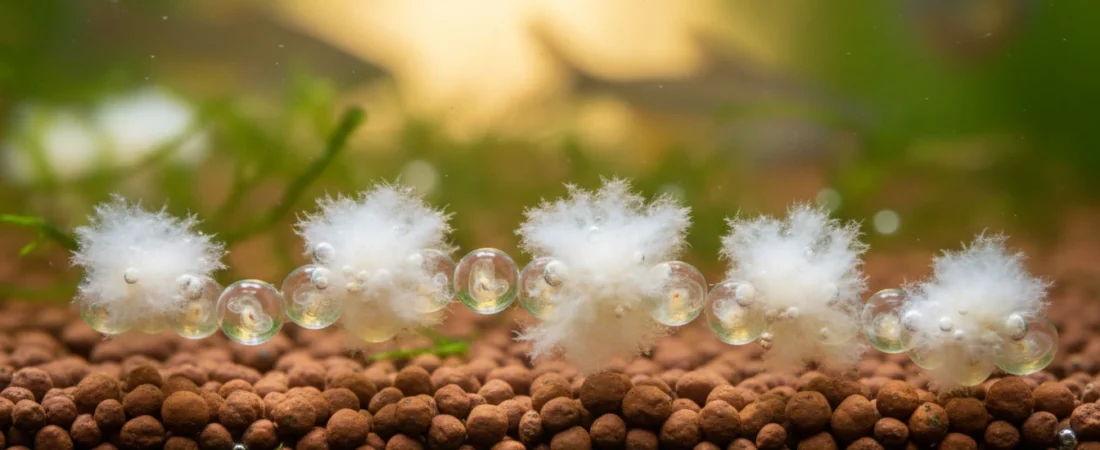
The presence of fungus on fish eggs is a significant concern for aquarists and fish breeders alike. Understanding how to treat and prevent fungal infections can greatly influence the success of breeding endeavors. Fungal growth on fish eggs can lead to increased mortality rates, compromising the survival of developing embryos and ultimately affecting the viability of entire breeding programs. Moreover, when these fungal infections proliferate, they can degrade water quality, posing additional risks to the health of both the fish eggs and adult fish in the breeding environment.
This comprehensive guide aims to equip both new and experienced fish breeders with practical insights and effective strategies for addressing the challenges posed by fungal infections. By sharing firsthand experiences and proven methods, we hope to foster a deeper understanding of the complex relationship between fungus and fish reproduction. It is crucial to recognize that various factors can contribute to fungal outbreaks, including water conditions, egg handling practices, and the presence of other pathogens.
Effective management of fungus on fish eggs involves a combined approach that includes prevention and treatment. Implementing best practices in the breeding environment, such as maintaining optimal water quality and ensuring proper egg handling, plays a crucial role in mitigating fungal risks. Additionally, there are various remedies available that can be utilized to treat affected eggs, ensuring that the highest possible survival rates are achieved.
Throughout this article, we will delve into the causes of fungal growth, practical treatment options, and preventive measures designed to safeguard fish eggs. Breeders are encouraged to integrate this knowledge into their practices to enhance both the health of their fish and the success of their breeding programs.
What Causes Fungus on Fish Eggs?
Fungus on fish eggs is a common issue that can arise for several reasons, fundamentally linked to the health and environment of the fish breeding process. Understanding these causes is crucial for breeders seeking to prevent the occurrence of fungal infections.
One of the most significant contributors to fungus development is the presence of infertile or dead eggs. When fish spawn, not all eggs are viable; non-fertilized or decaying eggs can serve as breeding grounds for fungal growth. The decomposition process releases nutrients that fungi thrive on, rapidly increasing their population.
Additionally, poor water quality plays a substantial role in fostering fungus on fish eggs. High levels of ammonia, nitrites, or nitrates can compromise the health of fertilized eggs, making them more susceptible to fungal infections. It is essential to maintain optimal water parameters by regularly testing and treating the water.
Lack of parental care is another contributing factor. In many fish species, parental fish protect eggs from pathogens and fungi. If this care is missing, eggs are directly exposed to infection risks. Proper monitoring of breeding pairs can ensure that eggs are adequately protected during the critical incubation period.
Insufficient water flow or low oxygen levels can also lead to fungal growth on eggs. Stagnant water can create ideal conditions for fungus, as it limits the oxygen available and allows harmful substances to accumulate. Implementing good filtration and aeration systems will help mitigate these risks.
Lastly, high organic waste accumulation can contribute to water quality degradation, further promoting fungal growth. Regular cleaning and maintenance of the breeding tank are thus necessary to prevent the buildup of organic materials that could foster fungal outbreaks.
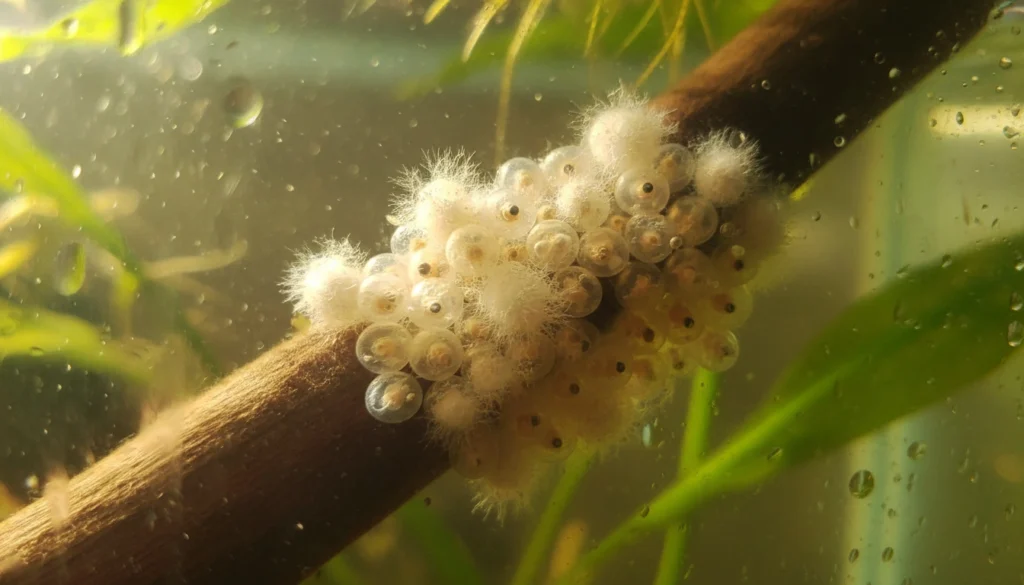
| Cause | How It Leads to Fungus |
|---|---|
| Infertile Eggs | Dead eggs become a breeding ground for fungus. |
| Poor Water Quality | High ammonia and waste weaken egg defenses. |
| Low Oxygen | Stagnant water encourages fungal growth. |
| Lack of Parental Care | Eggs remain unprotected from fungus. |
Step-by-Step Guidance on Treating Fungus on Fish Eggs
Addressing fungus on fish eggs requires a methodical approach to ensure the health of the developing embryos. The first step involves carefully removing the infected eggs from the breeding tank. This minimizes the risk of the fungus spreading to other healthy eggs. Use a net or a small siphon to gently extract the affected eggs, taking care to avoid disturbing the rest of the batch.
Once the infected eggs are removed, the next step is to improve water circulation within the breeding environment. A well-circulated tank helps disperse waste materials and maintain optimal water quality, which is critical in preventing further fungal growth. Consider adding a filtration system or adjusting the existing filter to enhance water movement.
To combat existing fungal infections, the application of antifungal treatments, such as methylene blue, can be effective. This treatment not only helps eliminate fungus but also provides a protective barrier for the remaining healthy eggs. Dilute the methylene blue according to the manufacturer’s instructions and carefully introduce it into the tank, monitoring the egg health closely following treatment.
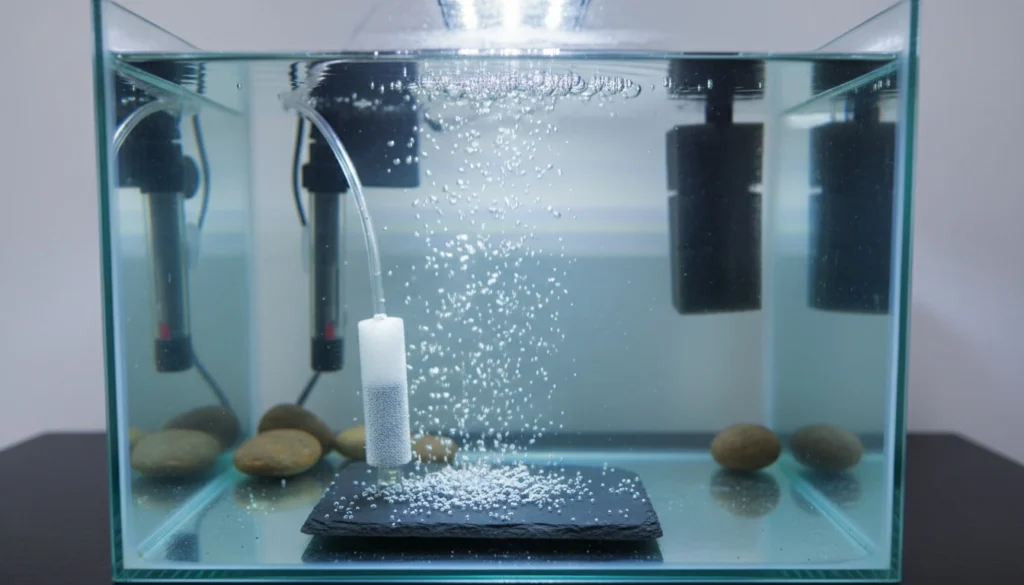
Finally, increasing aeration in the tank is paramount. Enhanced oxygen levels promote a healthy environment for the fish eggs and can bolster their defenses against fungal infections. Utilize an air pump, air stone, or sponge filter to increase aeration, ensuring that the bubbles created do not disturb the eggs too vigorously.
From personal experiences, I have found that implementing these steps diligently has yielded favorable results in my breeding setups. Observing the eggs closely post-treatment allows for quick interventions should any additional issues arise. By maintaining vigilant care and following these procedures, you can significantly reduce the occurrence of fungus and promote healthier hatching outcomes.
How to Prevent Fungus Before Spawning (Checklist)
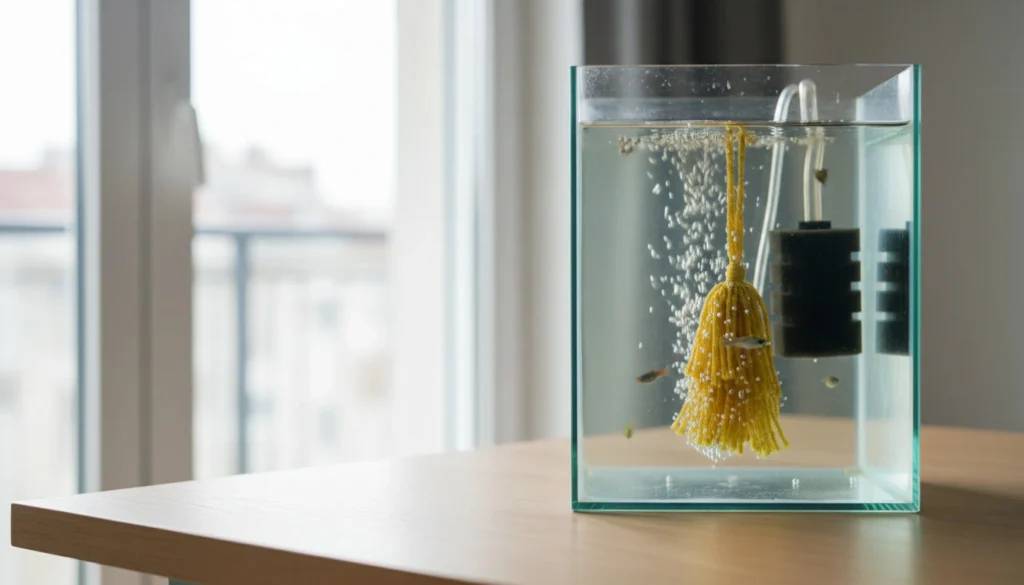
Preventing fungus on fish eggs requires careful planning and execution prior to spawning. Successful breeding begins with creating an environment that discourages fungal growth. One of the primary strategies involves maintaining optimal water conditions. The following checklist highlights essential practices to help prevent egg fungus:
- Maintain Optimal Water Parameters: Ensure temperature, pH, and hardness levels are within the ideal range for the species being bred. Refer to the table below for specific requirements.
- Clean Environment: Regularly clean the breeding tank and remove any organic debris that may contribute to fungal growth.
- Use an Air Stone: Introducing gentle aeration can help disperse fungal spores and improve water quality, making it less hospitable for fungus to thrive.
- Remove Unfertilized Eggs: After spawning, carefully remove any unfertilized eggs to prevent fungal outbreaks.
- Parent Fish Management: Consider whether to remove the parent fish post-spawning. While some species may benefit from parental care, others may leave fungus-prone eggs unattended, leading to increased risks.
It is crucial to be aware of common mistakes that often lead to egg fungus, such as:
- Neglecting water quality checks.
- Overcrowding the breeding tank.
- Inadequate cleaning practices, which can accumulate harmful debris.
Below is a simplified table outlining optimal water conditions that should be maintained for preventing egg fungus:
| Parameter | Optimal Range | Why It Matters |
|---|---|---|
| Temperature | 24–28°C | Supports embryo development and prevents stress. |
| pH | 6.5–7.5 | Stable pH reduces fungal risk. |
| Hardness | 5–15 dGH | Proper mineral balance for egg health. |
| Ammonia | 0 ppm | Toxic to eggs and promotes fungus. |
| Nitrite | 0 ppm | Prevents egg stress and infection. |
Implementing these strategies can significantly reduce the risk of fungus on fish eggs before spawning, ensuring a healthier breeding environment.
Frequently Asked Questions
What causes fungus on fish eggs?
Fungus on fish eggs primarily occurs due to poor water quality, lack of aeration, and high levels of organic waste in the breeding environment. Specifically, fungus often thrives in conditions where there is inadequate circulation and oxygenation, allowing spores to settle on eggs and proliferate. Additionally, unprotected eggs are more vulnerable to fungal infections, making it crucial to maintain optimal conditions for breeding.
How can I treat fungus on fish eggs effectively?
Treating fungus on fish eggs can be approached in several ways. One common method is using antifungal treatments specifically designed for aquaculture. These antifungals can be infused into the water in controlled concentrations. Another option involves physically removing the affected eggs and treating them separately. Additionally, enhancing water circulation and ensuring stable water parameters can help in minimizing the growth of fungi.
Are there any preventive measures against fungus on fish eggs?
Yes, preventive measures are essential for minimizing the risk of fungal infections on fish eggs. Maintaining high water quality is paramount; frequent water changes and monitoring parameters such as pH, ammonia, and nitrate levels can help. Furthermore, providing adequate aeration and ensuring proper lighting conditions can create an unfavorable environment for fungi to thrive. Lastly, it is essential to inspect the breeding material and ensure the health of breeding fish, as unhealthy fish can contribute to the spread of fungal spores.
What should I do if my fish eggs are already affected by fungus?
If your fish eggs are already affected by fungus, acting quickly is vital to prevent further spread. The first step is to remove infected eggs to reduce the risk of the fungus spreading to healthy ones. After isolation, consider applying an antifungal solution or using salt dips, as these can be effective in controlling fungal growth. Maintain high water quality and monitor the remaining eggs closely for any signs of fungal development.
Conclusion
In conclusion, treating and preventing fungus on fish eggs is a critical aspect of successful fish breeding. The strategies discussed throughout this guide emphasize the importance of creating and maintaining an optimal breeding environment, highlighting how proactive measures can preserve the viability of fish eggs. Proper water quality management, including appropriate temperature and pH levels, plays a pivotal role in the health of fish eggs and their susceptibility to fungal infections.
Moreover, recognizing the early signs of fungal infestations allows breeders to take immediate action, thereby minimizing potential losses. Utilizing antifungal treatments, while ensuring they are safe for the eggs, is another essential step in safeguarding the eggs until they hatch. By consistently monitoring the breeding environment and promptly addressing any signs of contamination, breeders can significantly enhance the survival rate of their fish hatchlings.
Reflecting on my personal experiences in fish breeding, I have observed that maintaining a clean, stable environment not only fosters the health of eggs but also promotes the overall well-being of the fish population. The long-term benefits of these practices cannot be overstated; healthy fish adults known for their robustness and vigor are likely to yield strong progeny. Evidence suggests that a consistent approach to egg treatment and prevention of fungal infections results in a thriving aquatic ecosystem.
Ultimately, the commitment to implementing these preventive strategies not only contributes to successful breeding efforts but also fosters a deeper understanding of the intricate dynamics of fish life cycles. For breeders aiming for longevity and success in fish rearing, prioritizing the health of fish eggs remains a fundamental principle.