Introduction
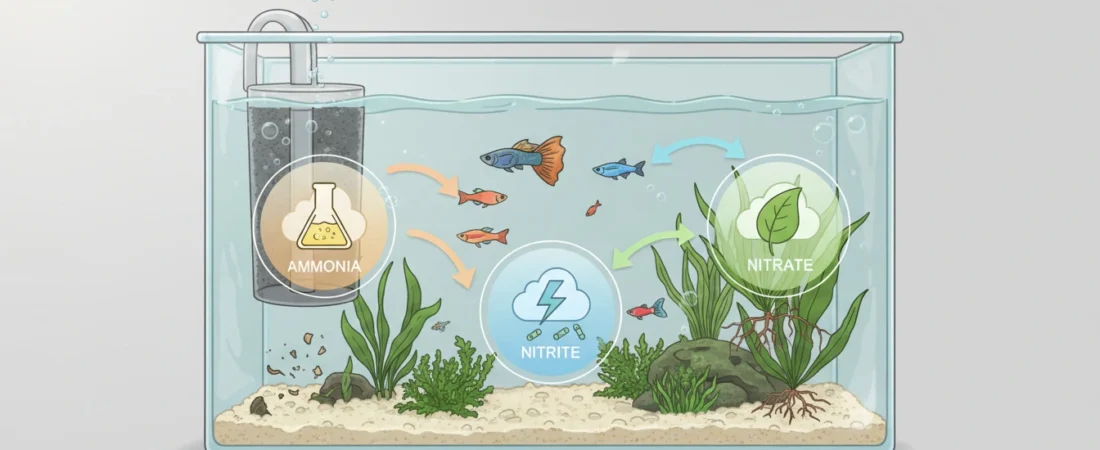
The nitrogen cycle is an essential biochemical process that plays a critical role in maintaining water quality in breeding aquariums. Understanding this cycle is vital for aquarists aiming to support the health and well-being of breeding pairs, as well as their eggs and fry. The nitrogen cycle involves a series of processes that convert toxic ammonia, produced by fish waste and uneaten food, into less harmful substances, ensuring a safe aquatic environment.
At the core of the nitrogen cycle are three primary steps: ammonia oxidation, nitrite oxidation, and nitrate reduction. Initially, beneficial bacteria in the aquarium break down ammonia through a process called nitrification, converting it into nitrite, which is also toxic but is subsequently converted into nitrate by another set of beneficial bacteria. Nitrate is less harmful and can be removed from the water through regular maintenance, such as water changes and the growth of aquatic plants. This cycle not only regulates the levels of ammonia and nitrites but also helps maintain healthy nitrate concentrations, thus creating a stable habitat for breeding.
From personal experience, establishing a robust nitrogen cycle in my breeding aquarium was one of the most decisive factors for successful reproduction. Initially, I underestimated its importance, which led to significant losses among my first batch of fry. However, with diligent attention to the nitrogen cycle, I witnessed healthier eggs hatch and fry thrive in a balanced ecosystem. This experience underscored the necessity of monitoring water parameters regularly, as fluctuations could jeopardize both the breeding pairs and their offspring.
In summary, the nitrogen cycle is vital for providing a healthy, stable environment essential for breeding fish. By understanding and maintaining this cycle, aquarists can enhance their breeding endeavors and ensure the well-being of all inhabitants in the aquarium.
What is the Nitrogen Cycle in an Aquarium?
The nitrogen cycle in an aquarium refers to a natural biological process involving the transformation of nitrogenous waste into less harmful substances. This cycle is crucial in maintaining a balanced aquatic environment, especially in breeding tanks. The nitrogen cycle begins with the introduction of fish food and waste, which release ammonia into the water. This ammonia is toxic to fish and is converted into nitrites by beneficial bacteria known as Nitrosomonas. Subsequently, another type of bacteria, Nitrobacter, further oxidizes nitrites into nitrates, which are far less harmful. The final step involves either the absorption of nitrates by aquatic plants or their removal through water changes.
In breeding tanks, the stability of the nitrogen cycle becomes paramount. Poor water quality resulting from an unbalanced nitrogen cycle can lead to fish stress and decreased breeding success. For instance, elevated ammonia levels can inhibit fish from mating, while high nitrite concentrations can prove fatal to both adult fish and their young. Through my experiences with breeding various species, I have observed that maintaining optimized water conditions directly correlates with successful breeding outcomes. Fish that are nurtured in a well-cycled tank exhibit increased spawning activity and are less likely to abandon eggs.
Incorporating regular tank maintenance, testing water parameters, and ensuring a healthy population of beneficial bacteria can facilitate a stable nitrogen cycle. Using filtration systems designed for biological filtration further promotes this crucial process, enhancing water quality. The stability provided by a healthy nitrogen cycle not only improves the overall environment but also increases the chances of successful breeding, underscoring the interconnectedness between water quality and the reproductive success of aquatic species.
The Three Stages of the Nitrogen Cycle
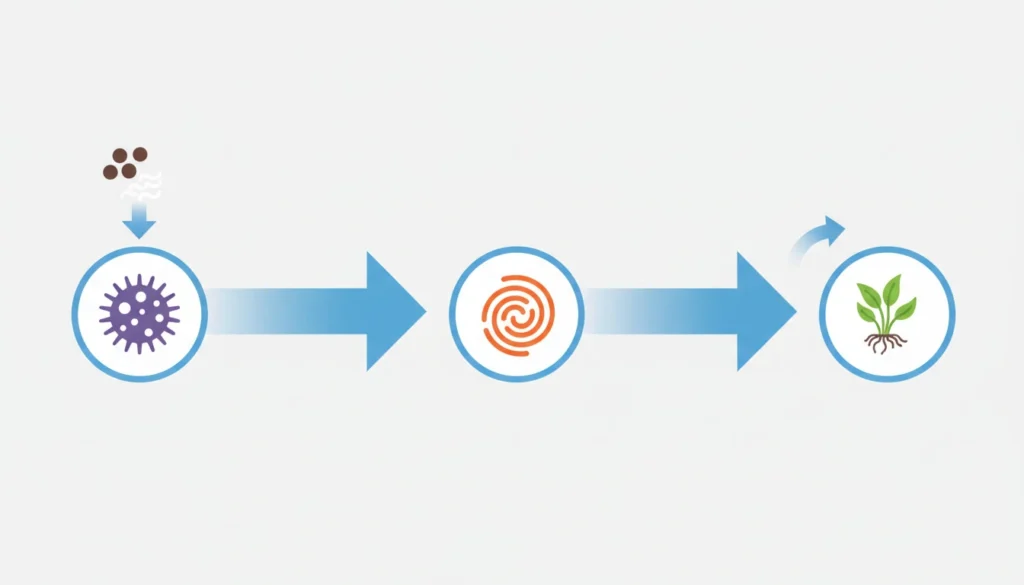
The nitrogen cycle in a breeding aquarium comprises three vital stages: ammonia formation, nitrite conversion, and nitrate production. Each stage is fundamental to establishing a balanced ecosystem and is influenced by various factors, including fish waste, uneaten food, and decomposing plant matter.
The first stage begins with ammonia formation, a byproduct created when fish excrete waste. Additionally, organic material breakdown contributes to elevated ammonia levels. It is crucial to monitor ammonia concentration closely, as high levels can be toxic to fish and other aquatic organisms. A simple preventive measure to manage ammonia levels involves feeding only what fish can consume in a few minutes and promptly removing any uneaten food. Maintaining excellent water quality through regular testing is essential to help mitigate ammonia spikes.
The second stage involves the conversion of nitrites. Beneficial bacteria, primarily Nitrosomonas, play a critical role in this process. They oxidize ammonia into nitrites, which are similarly toxic to fish, thus emphasizing the importance of establishing a thriving population of these bacteria in the aquarium environment. This microbial conversion takes time, and it is prudent to ensure that the tank is properly cycled before introducing new fish to minimize stress and health issues.
Finally, the last stage of the nitrogen cycle is nitrate production. Here, another group of bacteria, namely Nitrobacter, converts the nitrites into nitrates, which are less harmful. While nitrates are less toxic, they can accumulate to toxic levels if not managed properly. Regular water changes are key in controlling nitrate concentrations, given that they effectively dilute harmful compounds. Moreover, live plants in a breeding aquarium can utilize nitrates as a nutrient source, contributing to the ecosystem’s balance.
Beneficial Bacteria: The Key to a Stable Breeding Tank
In a breeding aquarium, the presence of beneficial bacteria is crucial for maintaining water quality and supporting the health of fish and fry. These microorganisms primarily reside in the substrate, filter media, and on surfaces within the tank. They play a significant role in the nitrogen cycle, converting harmful ammonia produced by fish waste and uneaten food into less toxic nitrates, which are then further processed by plants or removed during water changes.
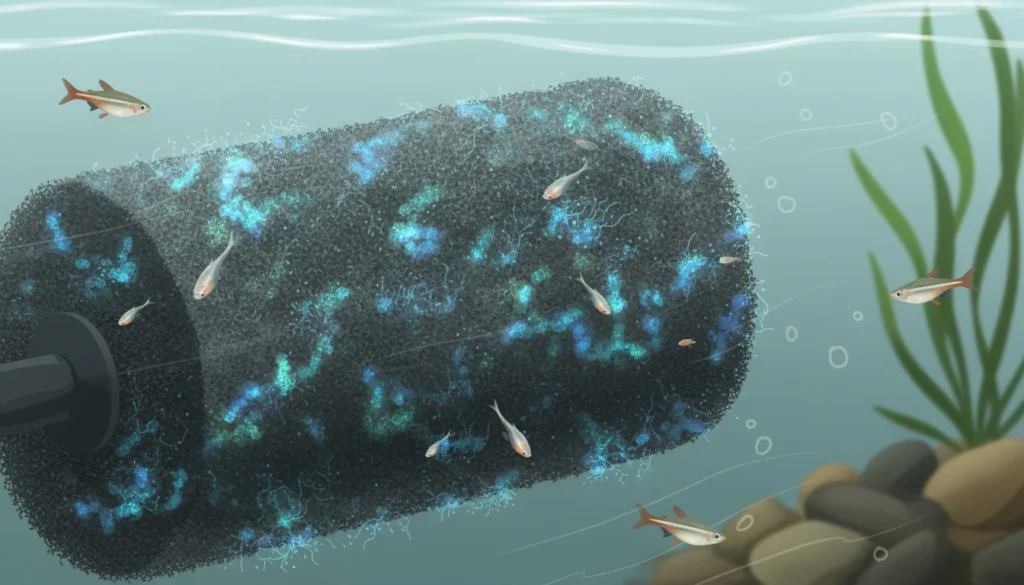
To ensure a thriving population of beneficial bacteria, it is essential to utilize effective cycling techniques. One popular method is fishless cycling, where ammonia is introduced into the aquarium without the stress of fish present. This approach allows beneficial bacteria to colonize without exposing sensitive species to harmful levels of ammonia. After the cycling process, fish can be safely reintroduced into the tank.
Another effective strategy involves using established media from an already cycled aquarium. This method can expedite the establishment of beneficial bacteria in a new setup. By transferring filter media, substrate, or decorations from a mature tank, you introduce a wealth of beneficial bacteria into the new environment, fostering a swift cycling process.
Some aquarists prefer using bacterial starters, which are commercially available products containing live beneficial bacteria. These can effectively jump-start the nitrogen cycle in a newly setup breeding tank. However, it is vital to choose high-quality products from reputable sources to ensure the introduction of viable bacteria.
Personally, I advocate for the fishless cycling method combined with the use of established media, as it has consistently proven effective in my experience. This approach minimizes stress on aquatic life while ensuring a stable and healthy environment for breeding. Maintaining optimal water parameters and regularly testing ammonia, nitrite, and nitrate levels are critical for a successful breeding aquarium.
Ideal Water Parameters for Breeding Tanks
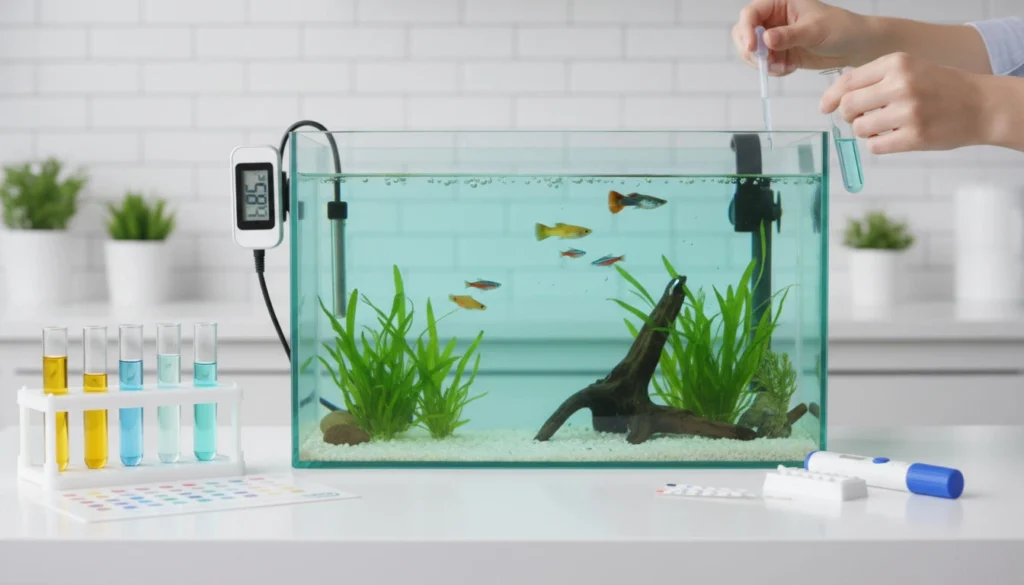
When setting up a breeding aquarium, it is essential to maintain ideal water parameters to ensure the health and viability of both the adult fish and their offspring. One of the primary aspects to consider is ammonia levels. Ammonia, even at low concentrations, can be highly toxic to fish, especially during the breeding process. Ideally, ammonia levels should be kept at 0 ppm to create a safe environment.
Similarly, nitrite levels must also be monitored closely, as nitrite is another harmful compound that can stress fish and impede the breeding process. Like ammonia, nitrite should be maintained at 0 ppm. On the other hand, nitrate, which is a byproduct of the nitrogen cycle, can be tolerated at higher levels but should ideally remain below 20 ppm to promote a healthy environment for breeding.
The temperature of the breeding tank also plays a crucial role in the reproductive success of many fish species. Most tropical fish thrive in a temperature range of 74°F to 80°F (23°C to 27°C), which is conducive to spawning behaviors. However, some specific species may have unique temperature requirements that should be researched and adhered to accordingly.
Additionally, pH levels can significantly impact breeding success. For most freshwater species, a pH between 6.5 and 7.5 is ideal, although specific species may require slightly acidic or alkaline conditions. Regular monitoring of pH is vital, as fluctuations can lead to stress and complicate spawning.
From personal experience, I have noticed that stable water parameters are crucial for breeding success. In my earlier attempts at breeding, erratic swings in temperature and pH resulted in failed spawns. Since then, I have invested in reliable checkers and a quality heater, which have helped me maintain consistency. This stability not only fosters a successful breeding environment but also ensures healthier fry.
Common Nitrogen Cycle Problems in Breeding Aquariums
The nitrogen cycle is a crucial process for maintaining a healthy breeding aquarium, yet several common problems can disrupt its balance and affect fish fry vitality. One of the most prevalent issues is new tank syndrome, which occurs when a newly established aquarium lacks adequate beneficial bacteria. Without these microorganisms, toxic ammonia can quickly accumulate, leading to stress and potential fatalities among fry. This situation often arises in aquariums that are set up without allowing a sufficient cycling period, leading to immediate fish introduction and subsequent high ammonia levels.
Overfeeding fry is another significant challenge. In the excitement of nurturing young fish, hobbyists may unknowingly introduce excess food into the tank, which decomposes and contributes to ammonia spikes. Young fry often have voracious appetites; however, understanding their feeding needs is essential. Feeding small quantities multiple times per day prevents leftover food from decaying and compromising water quality.
Poor filtration can exacerbate these conditions, making it vital to choose filtration systems that adequately support the nitrogen cycle. An insufficiently rated filter may not process waste effectively, leading to a buildup of harmful substances. To combat this, ensuring that the aquarium is equipped with a robust filtration system tailored to the specific volume and bioload of the tank is key.
Reflecting on my experience, I recall the challenges I faced with new tank syndrome after introducing fry to an uncycled aquarium. Despite my good intentions, the resultant ammonia spike was alarming and detrimental to their health. This led me to prioritize patience in future setups and place emphasis on proper cycling before adding inhabitants. Learning to monitor feeding habits and maintaining a reliable filtration system helped improve the overall health of my breeding aquarium, turning challenges into valuable lessons.
How to Maintain a Stable Nitrogen Cycle
Maintaining a stable nitrogen cycle in a breeding aquarium is crucial for the overall health of your aquatic ecosystem. It plays a vital role in keeping fish and plant life balanced and thriving. Here are several actionable strategies to ensure your aquarium remains stable.
Regular water changes are one of the most effective methods to maintain the nitrogen cycle. It is generally recommended to change 10-15% of the water weekly. This practice helps to reduce the accumulation of nitrates and other harmful substances while replenishing essential minerals. Make sure to use a water conditioner that neutralizes chlorine and chloramines, which can be detrimental to your fish.
Feeding routines also significantly impact the nitrogen cycle. Overfeeding can lead to an increase in waste, which in turn disrupts the cycle by raising ammonia levels. It is advisable to feed your fish only what they can consume within a few minutes, and it’s beneficial to use high-quality fish food that minimizes waste production.
Filtration is another crucial element in maintaining a stable nitrogen cycle. Invest in a high-quality filter that can handle the size of your aquarium. A good filter not only removes debris but also provides the necessary environment for beneficial bacteria to flourish. Regularly cleaning the filter media, while ensuring some bacteria remains intact, is essential to avoid disrupting this beneficial ecosystem.
Lastly, consistent water testing cannot be overlooked. Use a reliable test kit to monitor ammonia, nitrite, and nitrate levels. Testing water parameters weekly allows you to catch any potential issues before they escalate. If ammonia rises above 0.25 ppm, it’s a sign that your cycle may be out of balance, requiring immediate corrective action.
Implementing these strategies will significantly enhance your ability to maintain a stable nitrogen cycle, ultimately benefiting your breeding aquarium’s inhabitants.
Best Filtration Options for Breeding Tanks
When setting up a breeding aquarium, selecting the right filtration system is crucial for maintaining water quality and ensuring the safety of the fry. Two of the most suitable filtration options for breeding tanks are sponge filters and matten filters. These filters serve not only to keep the water clean but also to provide essential biological filtration that supports the nitrogen cycle.
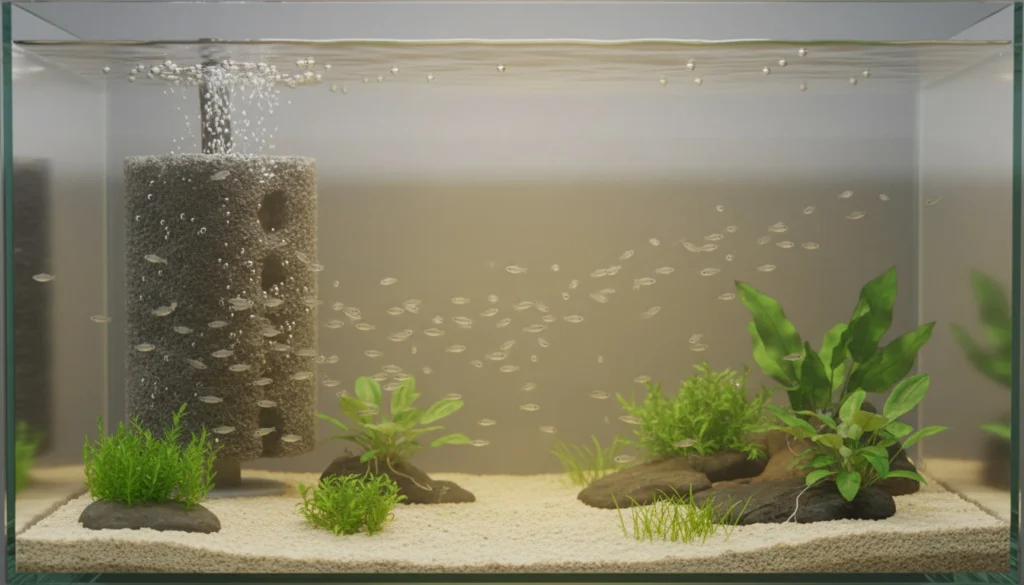
Sponge filters are especially favored in breeding environments due to their gentle flow rate. Unlike traditional power filters, sponge filters minimize the risk of sucking up delicate fry, which are particularly vulnerable during their early stages of development. The sponge itself provides a large surface area for beneficial bacteria to thrive, facilitating the break down of ammonia and nitrites, thus playing a vital role in maintaining a stable nitrogen cycle.
Another effective option is the matten filter. This type of filtration consists of a thick foam mat that acts as both a mechanical and biological filter. Similar to sponge filters, matten filters create a safe environment for fry, as their gentle water flow prevents young fish from being disturbed. Additionally, matten filters can also serve as a breeding surface, allowing fry to hide and forage among the foam. This dual functionality makes them an excellent choice for breeders.
Both filtration methods provide a reliable and safe solution for breeding tanks, helping to create a stable and healthy environment for fry to grow. From personal experience, I have successfully utilized sponge filters in my breeding tanks, observing that the fry thrive without being harmed by strong currents or suction. Ultimately, the choice between sponge and matten filters will depend on individual preferences, tank size, and specific breeding requirements. By ensuring high water quality and safety for fry, these filtration options contribute significantly to the success of breeding endeavors.
Signs Your Nitrogen Cycle is Working Properly
Monitoring the nitrogen cycle in your breeding aquarium is crucial for maintaining a healthy environment for fish and fry. Several key indicators suggest that your nitrogen cycle is functioning correctly. One of the primary signs is the results of regular water tests. A successful nitrogen cycle will show a decrease in ammonia levels, followed by a subsequent drop in nitrite levels as beneficial bacteria convert these toxic compounds into less harmful nitrates. Keeping a check on these measurements can help you confirm that the cycle is progressing as it should.
In addition to water test results, observing changes in fish behavior can also provide insights into the health of your aquarium’s nitrogen cycle. Healthy fish usually exhibit active swimming patterns and show no signs of stress. Conversely, if you notice lethargy, rapid gill movement, or unusual hiding behaviors, these can indicate elevated ammonia or nitrite levels, suggesting that your nitrogen cycle may not be fully established.
Another important aspect to consider is the growth of fry. In a well-cycled aquarium, fry will thrive as they benefit from stable water conditions. If you find that fry are growing steadily, it is likely that the nitrogen cycle is functioning effectively. Growth stunted by toxic substances often signals an imbalance in this cycle.
To provide a quick reference for understanding the nitrogen cycle, we have included the table below, summarizing the critical stages along with their toxicity levels and recommended actions:
| Stage | Substance | Toxicity | What to Do |
|---|---|---|---|
| Stage 1 | Ammonia (NH3) | Highly toxic | Establish beneficial bacteria |
| Stage 2 | Nitrite (NO2) | Very toxic | Allow bacteria to convert it |
| Stage 3 | Nitrate (NO3) | Low toxicity | Remove through water changes |
FAQ Section
When setting up a breeding aquarium, one of the most frequently asked questions pertains to the timeframe required for cycling a breeding tank. Generally, the nitrogen cycle can take anywhere from 4 to 6 weeks, depending on various factors like water temperature, pH levels, and the presence of beneficial bacteria. Proper cycling is crucial to establish a safe environment for both adult fish and their fry. The process involves the conversion of ammonia, a byproduct of fish waste, into nitrites and then into nitrates, which are less toxic.
Another common inquiry concerns the advisability of breeding in an uncycled tank. It is generally not recommended to breed fish in an uncycled aquarium due to the potential risk of toxic ammonia spikes. Fry are particularly sensitive to poor water conditions, which can lead to health complications or fatality. Therefore, cycling the tank before introducing breeding pairs significantly enhances the survival rates of the fry.
Many aquarists also wonder about how often they should test the water in a breeding tank. For newly established tanks, it is advisable to test water parameters at least two to three times a week during the cycling phase. Once the tank is established and cycling is complete, testing can be reduced to once a week or as needed, particularly after any changes in water conditions or fish adding/removing.
Finally, selecting the safest filter for fry is crucial for their well-being. Sponge filters are particularly recommended, as they provide gentle filtration without creating strong currents, which can harm the delicate fry. They also support beneficial bacteria that are essential for maintaining water quality. In conclusion, choosing the right equipment and maintaining optimal conditions are vital for a successful breeding experience.
Conclusion
The nitrogen cycle plays a pivotal role in the health and prosperity of breeding aquariums. Throughout this guide, we have explored the various stages of the nitrogen cycle, including the conversion of ammonia into nitrites and subsequently into nitrates, facilitated by beneficial bacteria. Understanding this cycle is essential for maintaining a stable aquatic environment, as it helps to mitigate harmful toxins that can impede the breeding process.
In a breeding aquarium, the stability of water parameters is critical. High levels of ammonia can be toxic to fish, particularly fry, while fluctuating nitrogen levels can create stress, which may disrupt spawning behaviors. Therefore, cultivating a robust nitrogen cycle through proper filtration and regular monitoring of water quality is indispensable for successful fish reproduction.
To ensure the effective establishment of the nitrogen cycle in your aquarium, it is advisable to initiate the tank with a good base of beneficial bacteria. Products such as bacterial boosters can offer immediate support, accelerating the cycling process. Additionally, regular water testing for ammonia, nitrite, and nitrate levels is recommended to track the cycle’s progression and maintain balance. When faced with challenges during cycling, patience is critical; stress-free conditions will promote a healthy environment conducive to breeding.
By following the principles discussed in this guide, aquarium enthusiasts can foster a nurturing atmosphere for breeding fish. Ensuring a stable nitrogen cycle not only enhances the survival rates of fry but also contributes to the overall well-being of the aquarium’s ecosystem. Armed with this knowledge, readers should feel empowered to take informed actions in setting up their breeding tanks successfully.