Introduction
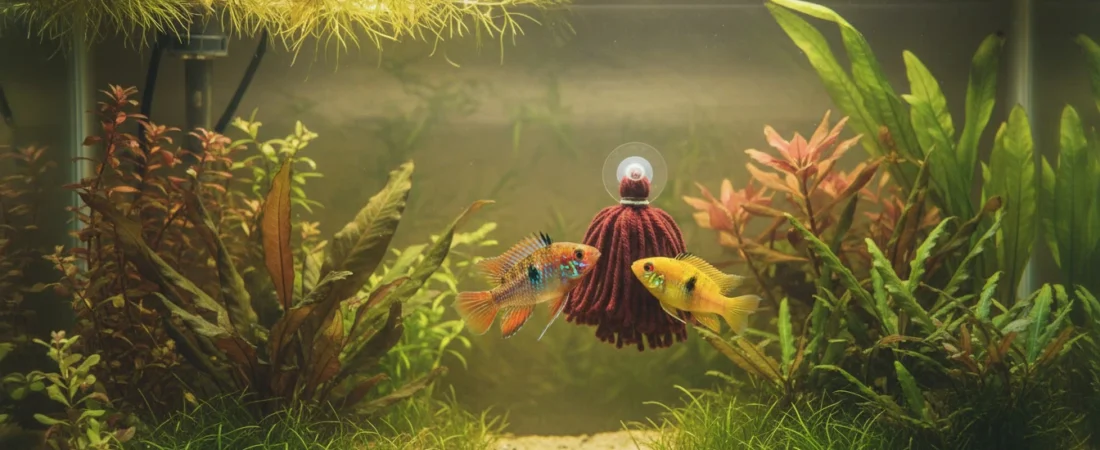
The prospect of breeding fish brings a wave of excitement and a host of challenges for aquarium enthusiasts. Observing the vibrant spectacle of fish spawning can be one of the most rewarding experiences in the hobby. However, many hobbyists find themselves grappling with the troubling question: why fish not spawning? This inquiry is not uncommon, as there are numerous factors that can influence the reproductive behavior of fish.
Despite the careful planning and effort put into creating an ideal environment, there are instances when fish fail to spawn, leading to potential frustrations. Understanding the underlying reasons why fish may not engage in spawning activity is crucial. Factors such as water conditions, temperature variations, and the availability of suitable breeding locations all play a significant role in reproductive success. Additionally, the health and compatibility of your fish, as well as their access to proper nutrition, are critical in this equation.
Addressing these elements not only aids in improving the likelihood of successful spawning but also enriches the overall experience of maintaining an aquarium. For many enthusiasts, the goal of breeding fish is not just about reproduction; it also provides an opportunity to observe natural behaviors, maintain biodiversity, and contribute to conservation efforts.
In the following sections, we will delve into 10 common reasons that may explain why your fish are not spawning, coupled with effective and easy fixes for each issue. By gaining insight into these challenges, hobbyists can enhance their knowledge and skills, facilitating a more rewarding breeding journey.
Understanding Fish Spawning Behavior
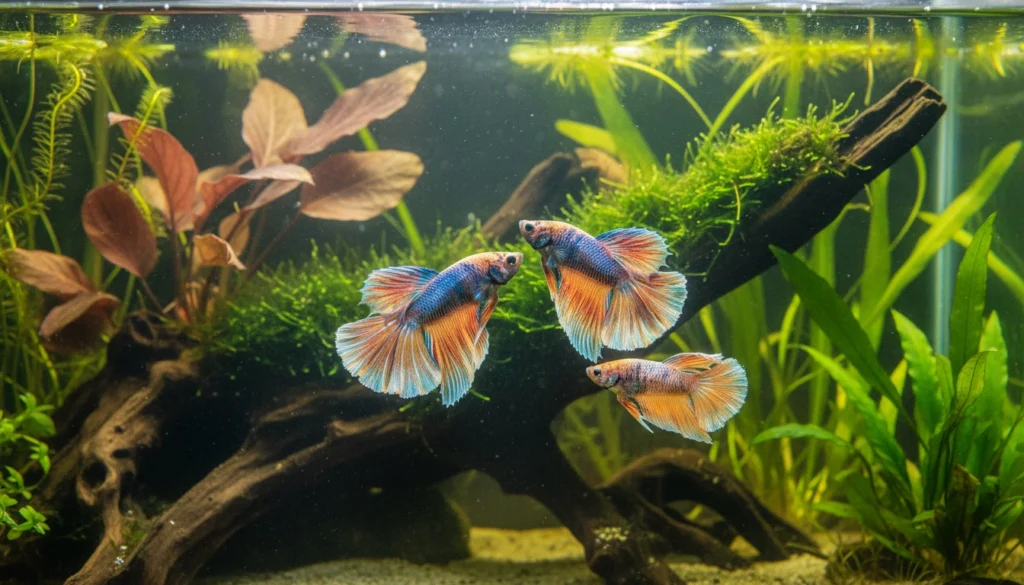
Fish spawning is a critical biological process in which fish reproduce by laying eggs, ensuring the continuation and health of their populations. Successful spawning plays an integral role within aquatic ecosystems, influencing both species diversity and population dynamics. Understanding the intricacies of fish spawning can help aquarists and fish farmers replicate optimal conditions for breeding and maintaining a healthy fish community.
At its core, spawning involves a series of behavioral and physiological changes that fish undergo to attract mates, prepare for reproduction, and nurture the next generation. This behavior is often triggered by specific environmental cues such as temperature changes, daylight duration, and water quality. Each species may exhibit unique spawning habits; for example, some fish spawn in specific locations, while others may engage in elaborate courtship displays.
Identifying the key factors that influence spawning behavior is crucial for aquarists aiming to breed their fish. Water temperature, for instance, is a significant determinant, as many species have preferred spawning temperatures. Monitoring and adjusting the water conditions, including pH levels and hardness, can stimulate the spawning process. Additionally, the presence of suitable spawning substrates, such as plants or gravel, provides fish with secure locations for laying eggs.
Feeding practices also impact fish spawning behavior. A diet rich in nutrients can enhance reproductive success, as well-fed fish are typically more likely to engage in spawning activities. Furthermore, understanding social dynamics among fish, including the presence of dominant males and receptive females, can aid in creating a conducive breeding environment.
In summary, recognizing the various elements that contribute to fish spawning behavior is essential for successful breeding. By ensuring the appropriate environmental conditions, nutrition, and social interactions, aquarists can foster healthy fish populations and enhance their chances of witnessing successful spawning events.
10 Common Reasons Your Fish Are Not Spawning
Successfully breeding fish in an aquarium can be a rewarding experience, yet many aquarists encounter challenges. Understanding why your fish might not be spawning is crucial for addressing these issues effectively. Below we highlight ten common reasons that may hinder spawning, along with practical solutions.
1. Incorrect Water Parameters: Various fish species require specific water conditions such as pH, temperature, and hardness. Ensure that you regularly monitor these parameters to align them with the ideal range for your fish.
| Fish Type | Temperature | pH Range | Water Hardness |
|---|---|---|---|
| Guppy | 24–28°C | 7.0–8.0 | Moderate–Hard |
| Betta | 26–30°C | 6.5–7.5 | Soft–Moderate |
| Angelfish | 26–28°C | 6.5–7.0 | Soft |
2. Poor Water Quality: Fish health significantly relies on water quality. Signs of poor water conditions can include ammonia spikes or elevated nitrates. Regular testing and routine water changes are essential for maintaining an optimal environment.
3. Wrong Tank Size: The size of the aquarium plays a crucial role in breeding. Fish need adequate space to establish territories and swim freely, especially during the breeding process. Ensure that your aquarium is spacious enough for your breeding pair.
4. Incompatible Breeding Pair: Not all fish species are compatible for breeding. Carefully select a breeding pair to ensure they are a suitable match, as this dramatically increases the chances of successful spawning.
5. Lack of Proper Diet: Nutrition influences breeding behavior. Providing a high-quality diet rich in proteins and nutrients can help condition your fish for breeding, promoting readiness to spawn.
6. Stress in the Aquarium: Stress can significantly hinder spawning. Observing changes in behavior, such as hiding or aggression, can indicate stressors. Minimizing disturbances and ensuring peaceful tankmates can alleviate stress.
7. Absence of Breeding Triggers: Some species require specific environmental cues such as temperature changes or seasonal light cycles to trigger spawning. Research the natural spawning methods of your fish to replicate these conditions.
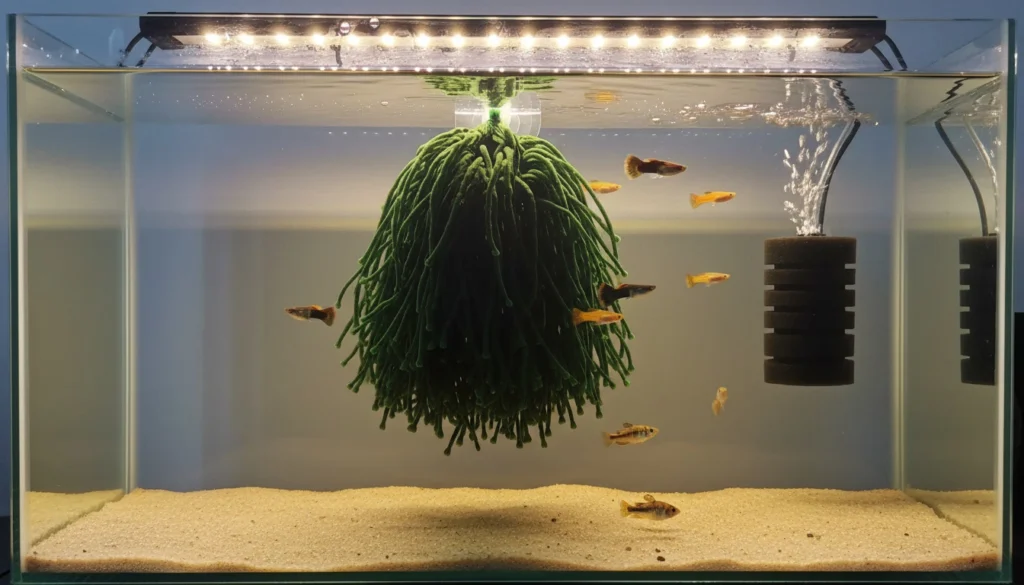
8. No Suitable Spawning Site: Fish need appropriate sites to spawn. These can be flat rocks, plants, or special spawning mops. Providing a suitable area will encourage fish to lay eggs.
9. Fish Are Too Young or Too Old: Breeding has an optimal age range for fish. Too young or too old fish may not be able to breed. Understanding the breeding age of your fish can help plan for successful spawning.
10. Health Issues or Disease: Fish that are unwell often do not spawn. Watch for signs of illness such as lethargy or loss of appetite. Consulting a veterinarian and administering appropriate care can remediate health issues.
How to Encourage Fish to Spawn (Step-by-Step)
Encouraging fish to spawn requires a combination of environmental, dietary, and behavioral adjustments. The following steps will guide you through the process of creating an optimal setting for spawning.
Step 1: Water Preparation
The first step involves ensuring that the water conditions mimic the natural habitat of your fish. This includes adjusting the temperature, pH, and hardness of the water. Research the specific parameters that are optimal for your fish species. Generally, a stable temperature slightly above the normal range can stimulate spawning. Conduct regular water changes to maintain cleanliness and water quality, as poor conditions can deter spawning.
Step 2: Dietary Changes
Nutrition plays a critical role in preparing your fish for breeding. Incorporate live or frozen food, such as brine shrimp or daphnia, into their diet to enhance the nutritional value. High-quality, protein-rich foods can help improve the health and readiness of the fish for spawning. Feed your fish several small meals daily to promote optimal growth and conditioning. During the breeding season, adjust feeding to coincide with increased energy demands.
Step 3: Tank Setup Adjustments
Creating a suitable tank environment is essential for breeding. Introduce spawning mops or broad-leaved plants like Java moss for egg-laying purposes. Ensure that the tank has ample hiding spots, as many species require cover to feel secure. You may also need to adjust the water flow or introduce gentle aeration to simulate natural spawning conditions. Remove any aggressive tank mates to reduce stress on breeding pairs.
Step 4: Introducing Breeding Triggers
To encourage spawning, introduce specific triggers that align with the breeding behaviors of the species. This may involve simulating seasonal changes, such as a decrease in temperature followed by a gradual increase. Additionally, the presence of male-female pairs and visual stimuli can act as natural prompts. Observe the behaviors of your fish closely; changes in behavior can indicate readiness to spawn.
By following these steps, fish keepers can create an environment conducive to spawning, thereby enhancing the chances of successful reproduction.
| Breeding Trigger | Action Required |
|---|---|
| Temperature Increase | Raise 1–2°C gradually |
| High Protein Diet | Feed live/frozen food daily |
| Water Change | Perform 20–30% fresh water change |
| Spawning Material | Add plants or spawning mop |
Species-Specific Spawning Tips
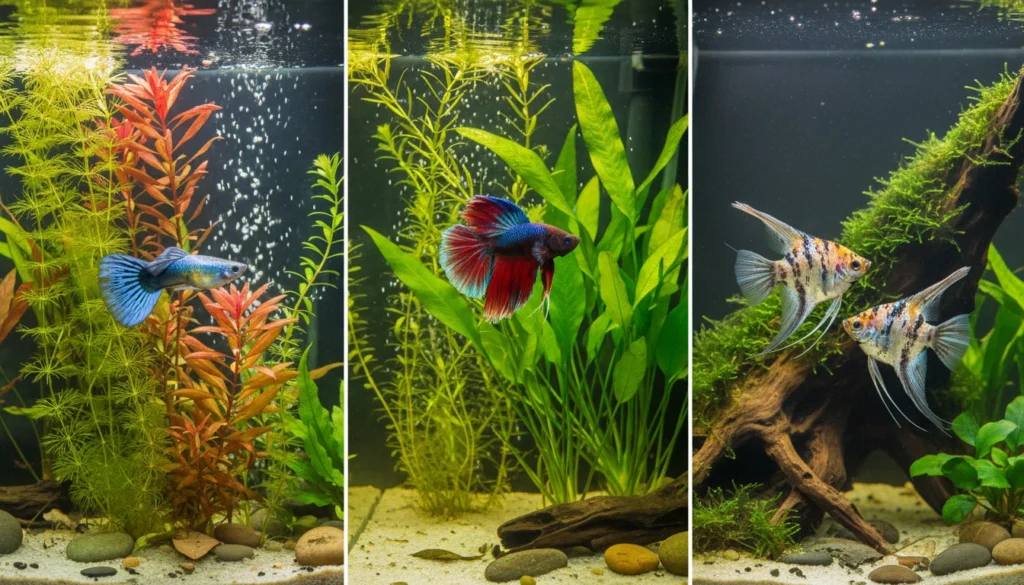
When dealing with aquatic life, understanding the spawning requirements of different fish species is essential for successful breeding efforts. Fish can broadly be categorized into three groups: livebearers, egg layers, and bubble nest builders. Each category has its specific needs and behaviors that must be addressed to stimulate spawning.
For livebearers, such as guppies and mollies, the primary objective is to create a conducive environment for the development of live young. Maintaining stable water conditions, with slightly elevated temperatures and appropriate pH levels, can help stimulate breeding. Moreover, providing ample vegetation and hiding places will create a sense of security, encouraging mating behavior. Maintaining a ratio of one male to several females often enhances the likelihood of successful spawning.
Egg layers, which include species like angelfish and tetras, have even more specific requirements for breeding. These fish tend to lay their eggs either in open water or on surfaces such as plants or substrate. To promote spawning in egg layers, it is crucial to mimic their natural habitat as closely as possible. This might include using soft, acidic water and providing suitable spawning substrates like broad-leaved plants. Some egg layers, like cichlids, may also appreciate a breeding environment with limited disturbance, so separating them during the breeding period can often yield positive results.
Bubble nest builders, such as bettas and some gouramis, have unique spawning behaviors that involve the construction of surface nests made from bubbles. To encourage breeding among these species, it is vital to maintain a calm and warm environment while ensuring sufficient surface area for bubble formation. Increasing the water temperature can trigger their spawning instincts, while providing floating plants will offer protection and support for the bubble nests. This method fosters a nurturing environment conducive to the successful raising of fry.
Signs Your Fish Are Ready to Spawn
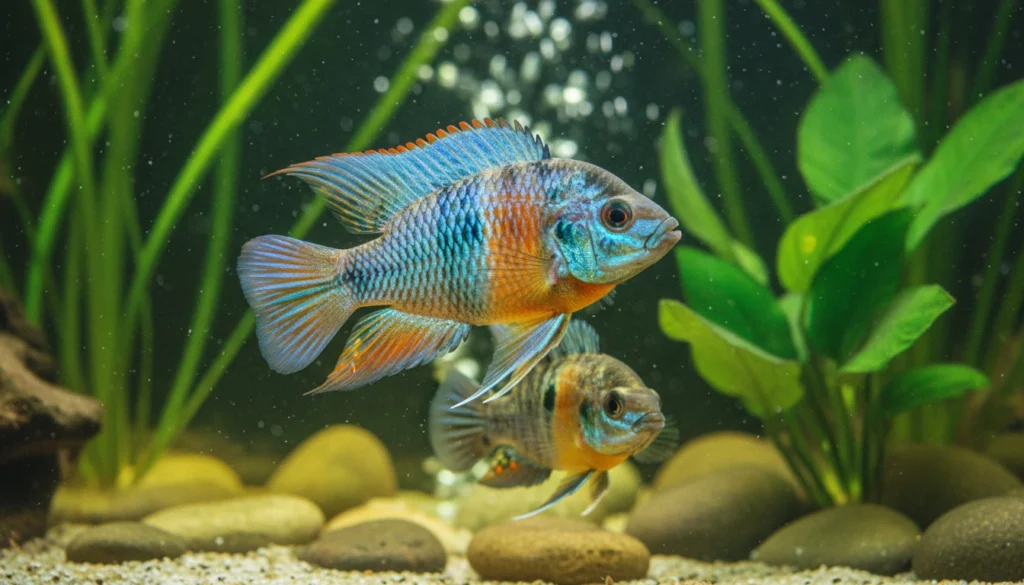
Recognizing the signs that your fish are ready to spawn is crucial for aquarists looking to facilitate successful breeding. Different species exhibit various physical and behavioral cues that indicate they are ready to mate. One of the most common physical signs is the noticeable change in color. Many fish, particularly males, tend to develop brighter and more vivid colors during spawning conditions. This element of visual enhancement serves to attract potential mates, and it is particularly evident in species like bettas and cichlids.
Additionally, changes in body shape can also be a sign of readiness. Female fish often become rounder as they fill with eggs, while males may display more streamlined and elongated bodies, enhancing their appeal during courtship. Observing these transformations provides aquarists with essential information about the reproductive status of their fish.
Behavioral indicators play an equally significant role in signaling readiness to spawn. Mating rituals often include specific behaviors such as chasing, nipping, or darting between prospective mates. This dynamic interaction typically intensifies as the spawning period approaches. Some species engage in nest preparation, which may involve males clearing debris or arranging substrate material to create suitable spawning sites. Such behaviors are pivotal as they efficiently indicate that the fish are not only ready to spawn but are also actively preparing for the event.
Furthermore, increased activity levels can serve as a general cue to aquarists. Fish that become unusually active and social, congregating in specific areas of the tank, may be signaling their readiness for reproduction. Observing these signs allows aquarists to identify optimal times for enhancing conditions in the aquarium, such as adjusting water temperature or introducing specific foods, ultimately aiding in preparing for a successful spawning event.
Common Mistakes to Avoid
Breeding fish can be a rewarding endeavor for aquarium hobbyists; however, it is essential to avoid common mistakes that can hinder successful spawning. The first mistake often encountered is poor timing. Understanding the breeding cycles of specific fish species is critical. Many species have particular seasons when they are more likely to spawn. Ignoring these natural rhythms can lead to frustration and failure in breeding attempts.
Another frequent oversight comes from misunderstanding the specific needs of the species being bred. Different fish can have vastly different requirements regarding temperature, pH levels, and water hardness. For example, while some species may thrive in slightly acidic conditions, others prefer alkaline water. Failing to cater to these needs can create an unsuitable environment for breeding, ultimately leading to unsuccessful spawning.
Water conditions are often neglected as well. Regular water changes, appropriate filtration, and the presence of suitable breeding substrates contribute significantly to a fish’s comfort and readiness to spawn. High levels of ammonia, nitrites, or nitrates can deter fish from breeding, as they signal poor water quality. Testing and adjusting water parameters should be a priority before attempting to initiate spawning.
Additionally, overcrowding in the breeding tank is a mistake many hobbyists make. When too many fish are housed in a confined space, stress levels can rise, adversely affecting their breeding behaviors. Allowing adequate space for potential breeding pairs can foster a less aggressive and more inviting environment.
Finally, neglecting the nutritional needs of the breeding pair often leads to disappointment. A balanced diet rich in live or high-quality foods can stimulate spawning behaviors, while a lack of proper nutrition may inhibit them. By addressing these common mistakes and fostering a suitable environment, hobbyists can enhance their chances of successful fish breeding.
FAQ Section
1. What causes fish to stop spawning suddenly?
Fish may cease spawning due to a variety of factors. Changes in water temperature, pH levels, or water quality can create an unsuitable environment for breeding, leading to a halt in spawning activity. Stress induced by overcrowding, aggressive tank mates, or inadequate hiding spots can also deter fish from reproducing. Furthermore, the maturity of the breeding pair plays a crucial role; if they are no longer in prime breeding condition, their spawning behavior may diminish.
2. Can I force fish to spawn?
While it is possible to encourage fish to spawn through specific techniques, it is important to note that forcing spawning is not always effective. Creating optimal conditions, such as adjusting water temperature gradually, performing regular water changes, and ensuring a nutritious diet can stimulate breeding behaviors. Some species may respond positively to mimicry of their natural spawning conditions, such as seasonal changes or introducing a larger breeding space, but any attempt to force spawning should be done with caution to avoid stressing the fish.
3. How often should I expect my fish to breed?
The frequency of breeding varies widely among different species of fish. While some may spawn multiple times within a single breeding season, others may only breed once a year or less frequently. For instance, tropical fish often breed multiple times in a well-maintained aquarium, while coldwater species may have a more seasonal breeding pattern. Observing the specific behaviors and preferences of your fish will give clues about their breeding habits and cycles.
4. What should I do with the fry once they are born?
Once fish fry are born, it is vital to provide them with a safe environment to grow. Separating fry from adult fish is necessary to prevent predation. Fry need appropriate food, such as infusoria or finely crushed flakes, to ensure their nutritional needs are met. Maintaining optimal water quality, with careful monitoring of ammonia, nitrite, and nitrate levels, is crucial for the health of the young fish. Gradually acclimating them to their adult tank environment will prepare them for a smooth transition as they mature.
Conclusion
In conclusion, understanding why fish may not be spawning is crucial for any aquarium enthusiast who aims to breed their fish successfully. The reasons can be multifaceted, including water quality, temperature fluctuations, and even the presence of suitable tank mates. By addressing these common issues, aquarists can create an environment that encourages spawning behaviors. It is essential to remain patient throughout this process. Fish breeding is not always immediate and often requires careful management of environmental factors.
Moreover, the insights shared throughout this article highlight the importance of regular maintenance and observation. Keeping a close eye on the breeding conditions, such as pH levels, tank cleanliness, and appropriate diet, can significantly enhance the likelihood of successful spawning. Fish sometimes exhibit specific breeding triggers, and recognizing these cues can lead to a more successful breeding environment.
Ultimately, fostering a breeding environment is a blend of art and science, demanding both knowledge and experience. By applying the concepts discussed, enthusiasts can refine their techniques, paving the way for a thriving and diverse population of fish. Even if results take time, the effort and dedication put into proper aquarium management will ultimately be rewarding. Remember, patience and perseverance are key in the rewarding endeavor of fish breeding.