Introduction
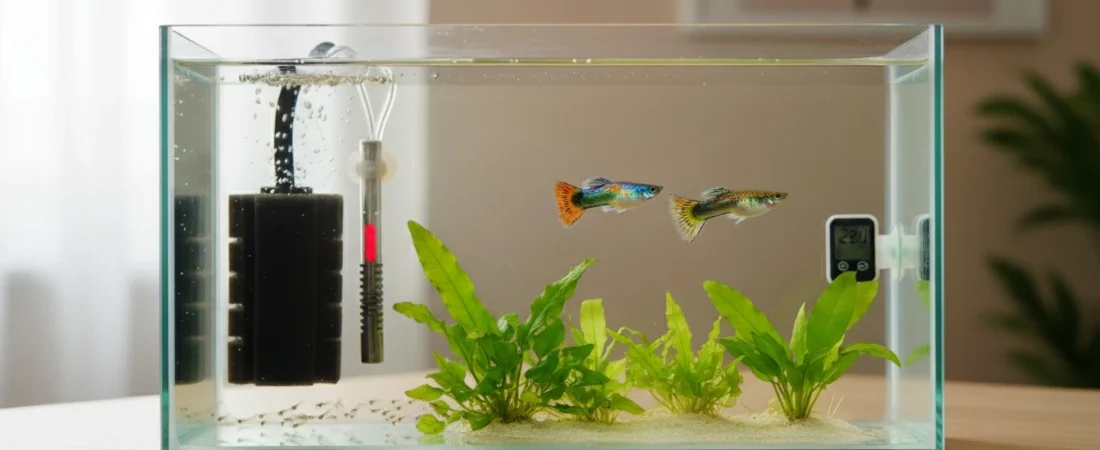
Setting up a dedicated fish breeding tank is a significant and rewarding endeavor for both novice and seasoned aquarists alike. Fish breeding not only enhances the beauty and diversity of your aquarium but also enables enthusiasts to gain a deeper understanding of aquatic ecosystems and the unique behaviors of various fish species. Whether you are interested in breeding popular freshwater fish like guppies or bettas, or more specialized saltwater varieties, having a dedicated breeding tank is essential for success.
One of the primary reasons for establishing a breeding tank is to provide a controlled environment optimized for the breeding process. In a dedicated setup, factors such as water temperature, pH levels, and tank size can be meticulously managed to suit the requirements of the specific fish being bred. This ensures that the stress levels of the adult fish are minimized, which is crucial for successful spawning and nurturing of fry. Moreover, separating breeding fish from the main community tank reduces the risk of predation on the young and helps in achieving a higher survival rate for the fry.
Another aspect to consider is the joy of expanding your aquatic family. Breeding fish can be a fulfilling experience, allowing you to witness the miracle of life and the growth of the new generations within your submerged habitat. Each spawning cycle can provide insight into the life stages of the fish, encouraging aquarists to learn about genetics, care techniques, and proper feeding strategies that contribute to the overall health of both adults and fry.
Additionally, breeding tanks can foster a sense of community among fish hobbyists. Sharing experiences, tips, and even trading fish with fellow aquarists can enhance one’s knowledge and enjoyment of the hobby. As you venture into the world of fish breeding, you will find it not only enriches your aquarium but also strengthens the bonds you form with others who share your passion.
Importance of a Dedicated Breeding Tank
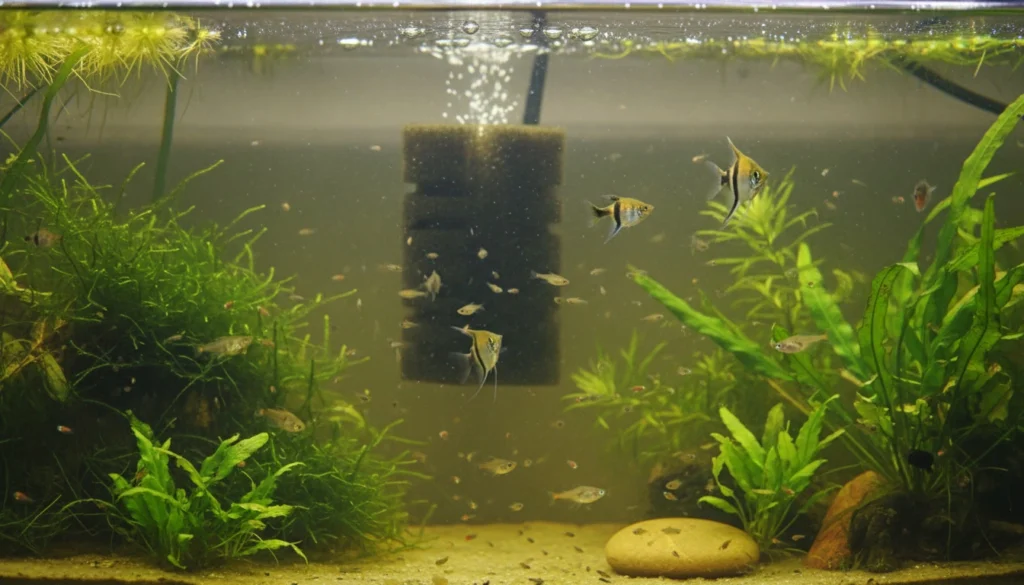
When it comes to breeding fish successfully, establishing a dedicated breeding tank is of utmost importance. A specific environment tailored for breeding provides numerous advantages that significantly enhance the overall success rate. One of the key benefits is stress reduction for the breeding fish. In a dedicated tank, the breeding pair can thrive without the disturbances of other tank mates, which can often lead to stress and aggression. Less stress translates to healthier fish, which is paramount during the breeding process.
In addition to lowering stress levels, a dedicated breeding tank serves to protect the fry. Upon hatching, fry are particularly vulnerable and require specific conditions to grow safely. In a community tank, adult fish may view the fry as a potential food source, leading to high mortality rates. A separate breeding environment ensures that the fry are safeguarded from such predation, allowing them to develop without threat.
Another critical advantage of a dedicated breeding tank is the enhanced ability to control water parameters. Factors such as temperature, pH, and ammonia levels can be carefully monitored and adjusted to meet the specific needs of the breeding pair and their fry. In a shared community tank, fluctuations are more likely due to the various inhabitants’ needs, complicating the breeding process. Consistent and stable water conditions foster a conducive environment for breeding and raising fry.
Ultimately, the combination of reduced stress, protection for the fry, and better water control leads to an increased success rate in breeding initiatives. For aquatic enthusiasts aiming to breed fish effectively, setting up a dedicated breeding tank is not merely beneficial but essential for achieving desired outcomes.
Choosing the Right Tank Size
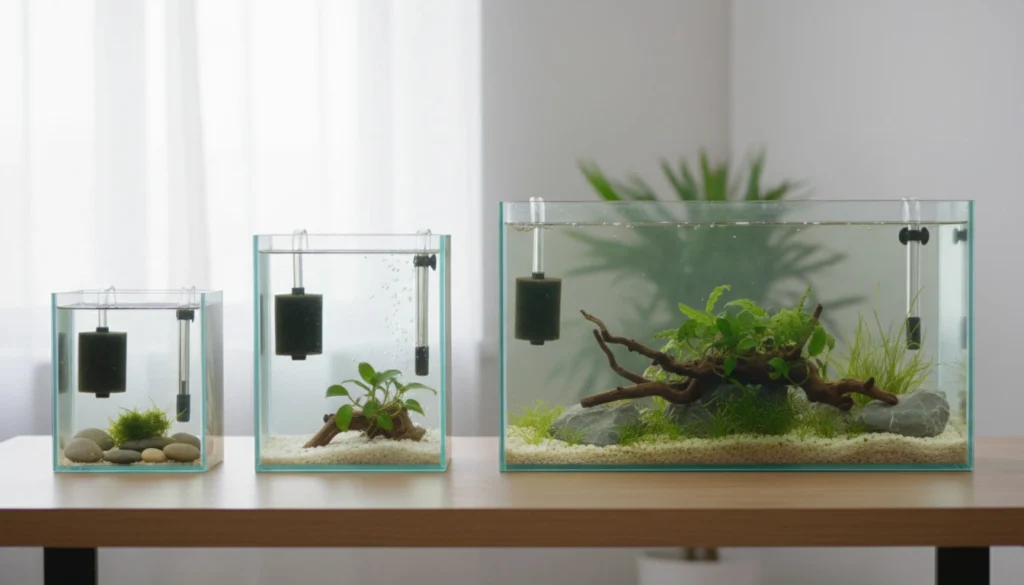
Selecting the appropriate tank size for breeding fish is a critical step that hinges on the specific needs and characteristics of the fish species in question. Fish can generally be categorized into two groups: livebearers and egg layers, each having distinct space requirements essential for successful breeding.
Livebearers, such as guppies, mollies, and swordtails, tend to thrive in medium-sized tanks, which should ideally be at least 20 gallons to accommodate their breeding habits. These fish give birth to live young, necessitating adequate swimming space for both the adults and the fry. Ideally, a larger tank will foster a stable environment, reducing stress and aggression among the fish, which is vital for keeping the breeding cycle intact.
On the other hand, egg layers like cichlids and bettas require a different approach when it comes to tank sizing. Generously sized tanks—often 30 gallons or more—are better suited for these species, providing ample space for nesting, laying eggs, and ensuring the fry have room to grow. Egg layers tend to be more territorial, so a spacious tank helps distribute territorial behavior and reduce conflicts.
Additional factors influencing the choice of tank size include the number of fish to be housed, filtration systems, and water quality maintenance. Tank stability plays a vital role; fluctuations in water parameters can adversely affect breeding outcomes. Ensuring a larger volume of water helps maintain consistent temperature and water chemistry, vital for the successful rearing of fry.
In essence, determining the right tank size is crucial for the health and reproductive success of both livebearers and egg layers, facilitating a conducive breeding environment that supports their unique requirements.
| Fish Type | Recommended Tank Size | Examples |
|---|---|---|
| Small Livebearers | 10–20 gallons | Guppies, Endlers |
| Medium Livebearers | 20–30 gallons | Mollies, Swordtails |
| Egg Layers | 20–40 gallons | Angelfish, Cichlids |
Essential Equipment for a Breeding Tank
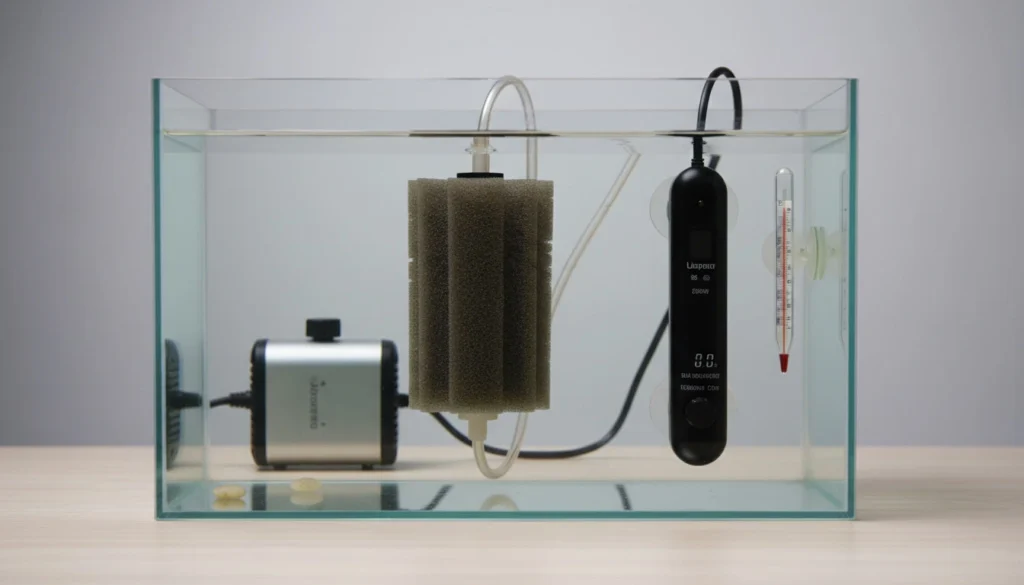
To establish a successful fish breeding tank, several key pieces of equipment are essential for creating an optimal environment that encourages breeding and supports the growth of fry. Among these fundamental items are sponge filters, heaters, thermometers, and adequate lighting. Each of these contributes significantly to maintaining water quality and a stable climate, which are crucial for the health of both adult fish and their offspring.
Sponge filters are a popular choice for breeding tanks due to their ability to provide both mechanical and biological filtration without creating strong currents that could stress the fish. The gentle flow allows fry to swim freely, while the sponge’s surface fosters beneficial bacteria necessary for breaking down harmful substances in the water. Proper filtration ensures a clean environment, reducing stress and promoting successful breeding.
In addition to filtration, maintaining an appropriate water temperature is vital for breeding success. Heaters are indispensable in a breeding tank, as they allow you to regulate the water temperature precisely. Different species of fish have specific thermal requirements for reproduction, often correlating with spawning triggers, such as increased temperature. It is important to invest in a reliable heater that can maintain stable conditions throughout the breeding process.
Thermometers play a crucial role in monitoring the water temperature regularly, ensuring it remains within the optimal range for the specific fish species being bred. By accurately tracking temperature fluctuations, you can take immediate action to prevent any adverse effects on the breeding cycle.
Finally, proper lighting is essential in a breeding tank. Adequate lighting not only simulates natural conditions but also facilitates plant growth, which can provide hiding spots and grazing areas for fry. A lighting schedule that mimics day and night cycles can help regulate the fish’s biological rhythms, encouraging spawning behaviors and contributing to a successful breeding environment.
Selecting the Right Substrate and Decorations
When setting up a dedicated fish breeding tank, the choice of substrate and decorations plays a crucial role in fostering a successful breeding environment. The two primary substrate options are bare-bottom tanks and those with a material substrate. Bare-bottom tanks might simplify maintenance and make it easier to monitor the tank’s cleanliness and fry health, but they lack the elements required to create a natural habitat.
On the other hand, a substrate tank composed of fine gravel or sand can promote beneficial bacterial growth and serve as a foundation for aquatic plants. Additionally, a soft or sandy substrate may offer hiding spots for fry, minimizing stress and enhancing their chances of survival. This setup supports a more nuanced ecological balance within the tank.
Incorporating breeding mops is essential, particularly for species that prefer to lay their eggs on vegetation. Breeding mops mimic the natural spawning sites, providing a secure environment where fish can spawn, facilitating successful egg development. Furthermore, these mops not only serve as an ideal spot for egg deposition but also provide fry with shelter once they hatch.
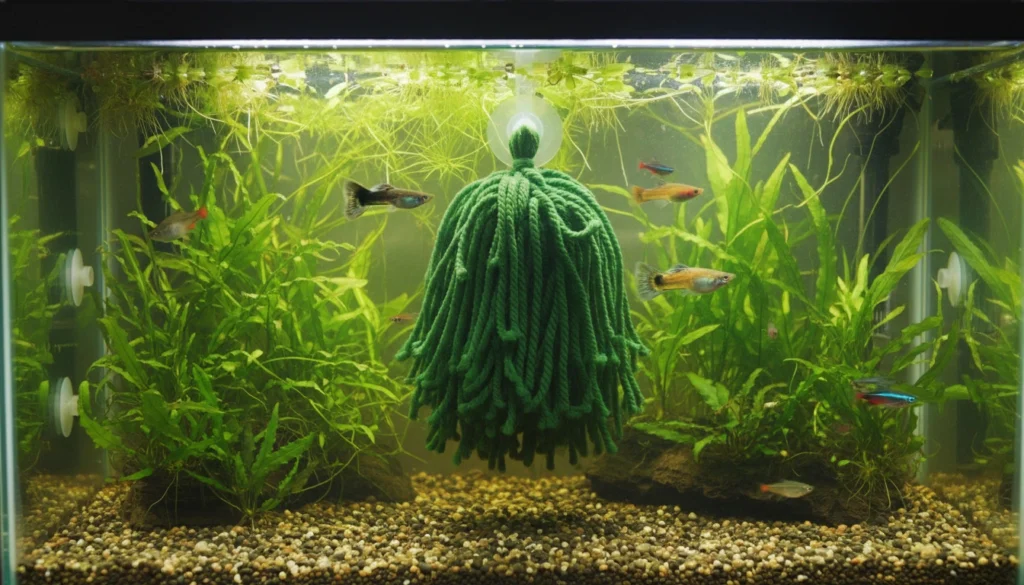
Live plants should also not be overlooked when considering tank decorations. They improve water quality by filtering toxins while offering fish places to hide and thrive. Species such as Java Moss and Hornwort are particularly favored due to their ease of maintenance and adaptability to varying tank conditions. Hiding spots created by rocks or driftwood can further contribute to the overall safety and security of both the breeding pair and the fry, enabling a harmonious breeding experience.
In summary, the proper selection of substrate and decorations within a dedicated fish breeding tank greatly enhances the well-being of the reproductive pair and their offspring. By thoughtfully integrating these elements, aquarists ensure an optimal environment conducive to breeding success.
Preparing the Water Conditions
Creating an optimal environment is crucial when setting up a dedicated fish breeding tank. The water conditions significantly influence the health and reproductive success of the fish species you intend to breed. First and foremost, pay attention to the pH levels of the water. Most freshwater fish thrive in a pH range between 6.5 and 7.5, although specific species may require slightly different values. It is essential to research the pH preferences of your chosen fish and adjust the levels accordingly.
Another important factor is the hardness of the water. Hardness is determined by the presence of dissolved minerals, primarily calcium and magnesium. Many common breeding fish prefer moderately hard to hard water, but there are exceptions. Use a reliable water testing kit to measure these parameters and ensure they are within the ideal range for the species you are breeding.
Dechlorination is another step that cannot be overlooked. Tap water often contains chlorine, which can be detrimental to fish health. Always use a quality dechlorinator to remove any harmful chemicals from your water before adding it to the tank. Furthermore, cycling the tank is vital for establishing a stable environment. This process involves cultivating beneficial bacteria that will help manage fish waste and prevent toxic ammonia and nitrite levels from building up.
To cycle the tank, you can use methods like fishless cycling or introducing a few hardy fish. Testing water parameters regularly during this period is essential to ensure a healthy environment for your breeding fish. Overall, preparing the water conditions requires attention to detail and consistency, paving the way for a successful breeding experience.
| Parameter | Ideal Range | Notes |
|---|---|---|
| Temperature | 24–28°C (75–82°F) | Depends on species |
| pH Level | 6.5–7.5 | Most freshwater fish |
| Ammonia | 0 ppm | Essential for fry survival |
| Nitrite | 0 ppm | Toxic to fry |
Conditioning the Breeding Pair
Conditioning fish for breeding is a crucial step that significantly influences the success rate of spawning. Proper nutritional preparation plays a vital role during this phase, as it enhances the condition of both male and female fish. Utilizing live and frozen foods is an effective strategy in this process. Live foods, such as brine shrimp, daphnia, and bloodworms, provide essential nutrients and stimulate the fish’s appetite and breeding instinct. Alternatively, high-quality frozen food can also serve as a staple as it offers a balance of nutrients necessary for the fish’s overall health.
In addition to dietary considerations, separating the male and female specimens is highly recommended prior to introducing them into the breeding environment. This separation allows the fish to establish their territories and reduces aggressive behaviors that can often arise from close proximity. During this period, it’s advantageous to perform frequent water changes and maintain optimal environmental conditions, including temperature and pH levels, to prepare them for breeding.
Furthermore, conditioning should last several days to a week, during which you can monitor their behavior and health. Keeping them in a high-quality, low-stress environment is essential, as any stress can hinder their readiness to breed. Additionally, introducing spawning substrates like spawning mops or finely textured surfaces can encourage natural reproductive behaviors when the time comes. Hence, a well-conditioned pair not only enhances spawning rates but also ensures the health and vitality of the offspring.
Introducing the Fish to the Breeding Tank
When setting up a dedicated fish breeding tank, introducing your fish to their new environment requires careful consideration and adherence to best practices to minimize stress and promote successful breeding. The acclimation process is crucial in ensuring that your fish adapt well to the conditions of the new tank. This transition begins with a gradual introduction, allowing the fish to adjust to temperature and water chemistry changes.
To initiate acclimation, float the sealed bag containing the fish in the breeding tank for about 15 to 20 minutes. This practice helps equate the water temperatures. Afterward, it is advisable to gently introduce small amounts of tank water into the bag over the course of another 30 minutes. This method gradually adjusts the fish to the water parameters such as pH, hardness, and salinity. After ensuring that the acclimation process is complete, you can gently release the fish into the breeding tank.
Timing plays a significant role in the introduction of fish to a breeding tank. It is recommended to introduce fish during the early morning or late evening when they are naturally less active. This timing minimizes stress and allows the fish to explore their new environment more comfortably. It is also important to observe their behavior closely during this critical phase. Pay attention to signs of stress, such as erratic swimming patterns or hiding behavior, which may indicate that the fish are struggling to cope with the new surroundings.
Monitoring the fish’s interactions is vital, especially in a breeding context. Establishing a pecking order and ensuring compatibility among species can be essential for successful breeding. By carefully following these best practices for introducing fish into the breeding tank, you will create a more favorable environment that encourages successful mating behaviors and enhances the chances of producing healthy offspring.
Caring for Eggs and Fry
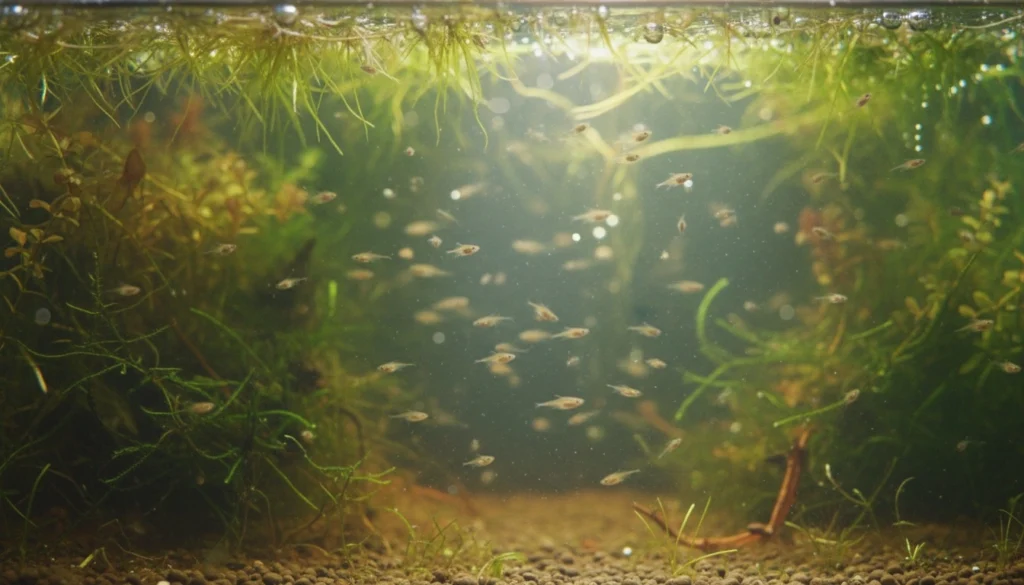
Once eggs have been laid in a dedicated fish breeding tank, the responsibilities of care become critical for the successful hatching and growth of the fry. The first decision is whether to remove the parents from the breeding tank. In some species, adult fish will consume their own eggs or fry, so it may be prudent to transfer them to another tank after spawning. However, other species exhibit parental care, which can significantly benefit the fry’s survival rate.
Maintaining stable water conditions is paramount during this period. Newly laid eggs require specific water parameters, including temperature, pH, and ammonia levels. A temperature range between 75°F to 80°F is often ideal for hatching many freshwater species. Regular monitoring and maintaining ideal pH levels are also essential. Generally, a pH of around 6.5 to 7.5 is suitable, but specific requirements will depend on the fish species being bred. Utilize quality filters and aeration without creating strong currents, to ensure that both eggs and fry remain undisturbed.
After hatching, the newly emerged fry will rely on their yolk sacs for nutrition during the first few days. Once these sacs are consumed, it’s crucial to introduce suitable first foods. Infusoria, finely crushed flakes, or specially formulated fry foods can be used depending on the species. Ensuring that fry receive adequate nutrition at this early stage sets the foundation for healthy growth.
Establishing a routine for water changes is vital as well. During the initial stages of fry development, small but frequent water changes can help maintain optimal conditions and reduce the buildup of harmful substances. Aim for changing around 10-20% of the water every couple of days. By carefully attending to these aspects, breeders can create a nurturing environment conducive to the thriving of both eggs and fry.
| Fry Age | Food Type | Feeding Frequency |
|---|---|---|
| 0–3 days | Infusoria / Liquid fry food | 3–4 times daily |
| 4–10 days | Baby brine shrimp | 3 times daily |
| 10+ days | Crushed flakes / micro pellets | 2–3 times daily |
Common Mistakes to Avoid
Setting up a dedicated fish breeding tank can be a rewarding endeavor, yet it is essential to recognize several common pitfalls that many aquarists, particularly beginners, often encounter. Awareness of these mistakes can significantly enhance the chances of successful breeding and the health of the fish.
One prevalent error is overcrowding the tank. While it may seem beneficial to have more breeding pairs or groups, an overcrowded environment can stress the fish and lead to aggressive behavior. It is vital to ensure that each species has adequate space to thrive and reproduce. The ideal tank size will vary depending on the fish, but initially, a smaller setup can be easier to manage when starting.
Maintaining poor water quality is another critical mistake. Fish breeding tanks require a consistent and clean environment. Regular water changes, along with proper filtration and aeration, are necessary to keep nitrate, nitrite, and ammonia levels in check. Fish are particularly sensitive to fluctuations in water parameters, which can lead to illness or even fatalities among fry.
Improper temperature settings further complicate the breeding process. Each species has specific temperature preferences for optimal breeding. For instance, tropical fish generally require warmer temperatures, while some freshwater species may thrive in cooler settings. Researching the precise needs of your chosen breed is vital for successful reproduction.
Lastly, incorrect feeding for fry can severely affect their growth and health. Newly hatched fry require specialized diets that differ from adult fish food. Relying solely on flake food may not provide necessary nutrients. Fine powdered food or live food such as infusoria ensures that the fry obtain essential nutrition to grow strong and healthy.
Tips for Higher Breeding Success
Achieving success in fish breeding requires meticulous planning and attentiveness to various factors that contribute to a thriving aquatic environment. One of the fundamental tips for increasing breeding success is to locate breeding tanks in quiet areas, away from excessive noise and activity. Fish are sensitive to environmental disturbances; thus, placing their habitat in a serene location can help reduce stress and encourage natural breeding behaviors.
Stability is also crucial, particularly regarding water parameters. Maintaining consistent water temperature, pH levels, and hardness can significantly impact fish reproductive cycles. Sudden fluctuations in these parameters may stress the fish, thus hindering their ability to breed. It is advisable to regularly test the water and make gradual adjustments if necessary, ensuring a stable and healthy environment for breeding.
Nutritional quality plays a significant role in the breeding process. Providing a well-rounded diet rich in essential nutrients can enhance fish health and improve their breeding readiness. The inclusion of live foods, such as brine shrimp and daphnia, can be particularly beneficial, as these provide vital fats and proteins that support the reproductive cycle. Adequate nutrition strengthens the parental fish and increases the likelihood of successful spawning.
Furthermore, maintaining daily observation routines is essential for monitoring behavior changes and signs of breeding readiness. By keeping a close watch, you can quickly identify when fish are preparing to spawn, allowing for timely interventions if needed. Daily checks can also help in the prompt removal of any uneaten food, which contributes to better water quality and a healthier breeding environment.
In applying these tips, fish enthusiasts can significantly enhance their chances of successful breeding, fostering not only the survival of fry but also the overall wellbeing of their aquatic community.
Conclusion and Key Takeaways
Setting up a dedicated fish breeding tank is an essential step for anyone interested in delving into the world of fish breeding. Throughout this guide, we have explored the fundamental aspects involved in creating an ideal environment for breeding fish. From selecting the right tank size and conditions to choosing appropriate filtration systems, each element plays a crucial role in ensuring the success of breeding endeavors.
It is imperative to understand that a dedicated breeding tank not only provides specialized conditions for breeding but also minimizes stress on the fish. This environment helps in mimicking their natural spawning conditions, leading to higher success rates in reproduction. Additionally, taking care of water quality, temperature, and maintaining a suitable habitat is vital for the health of both the adult fish and their fry.
Moreover, beginners should feel empowered to embark on their fish breeding journey with the insights and knowledge acquired from this comprehensive guide. Understanding the complexities and nuances of breeding may seem daunting at first; however, with careful planning and a commitment to learning, successful breeding can be achieved. Engaging in fish breeding can be extraordinarily rewarding, both personally and aesthetically, as it contributes to the biodiversity of home aquaria and deepens one’s appreciation for aquatic life.
In conclusion, remember to approach each aspect of setting up a breeding tank with patience and attention to detail. With a dedicated breeding tank, you will not only enjoy the process of breeding beautiful fish but will also contribute positively to the fishkeeping community. Take the plunge with confidence, and may your breeding ventures flourish.
Frequently Asked Questions
What is the best tank size for breeding fish?
The optimal tank size for breeding fish varies depending on the species. Generally, a tank of at least 20 gallons is recommended for most freshwater fish breeds. This ensures adequate space for the fish to thrive and reduces stress levels during the breeding process. For smaller species, a 10-gallon tank may suffice. However, larger fish or those that require specific breeding conditions may necessitate a much larger setup. Researching the specific requirements of your chosen species will help determine the best tank size.
Is a breeding tank necessary for all fish?
Not all fish species require a dedicated breeding tank. Some species can breed successfully in community tanks, while others may become stressed if other fish are present. A breeding tank becomes necessary for species that require special conditions, such as controlled environments or privacy during spawning. Additionally, a separate tank reduces the risk of predation on eggs and fry by adult fish. Ultimately, assessing the behavior and reproductive needs of your specific fish species will guide the decision on whether a breeding tank is required.
What are the typical egg hatching times for fish?
Egg hatching times can vary significantly between species. Generally, freshwater fish eggs take between two to seven days to hatch, depending on water temperature and species. For instance, warm-water species may hatch faster, while cooler-water species may take longer. Factors such as water quality, oxygen levels, and the presence of suitable substrate can also impact hatching times. It’s crucial to monitor the tank conditions closely to maximize hatch rates.
What types of filters are suitable for breeding tanks?
For breeding tanks, sponge filters are often highly recommended due to their gentle water flow and effectiveness in biological filtration. They provide adequate oxygenation while preventing fry from being sucked into the filter. Canister filters or hang-on-back filters can also be suitable, provided that protective mesh is used to ensure that small fry are not harmed. Choosing the right filtration setup is essential to maintain clean water without disturbing the breeding pair.
How often should fry be fed?
Fry require frequent feeding to facilitate their rapid growth and development. It is generally advised to feed them small amounts of food three to four times a day. Newly hatched fry often do well with infusoria or finely crushed flakes specifically designed for fry. As they grow, the food size can gradually increase. Monitoring their growth and adjusting feeding frequency based on their needs will ensure healthy fry development.